


When smoke from a planned fire drifts towards a town, residents often panic and ask why anyone would deliberately set vegetation alight.
The fear is understandable. People worry the flames could spiral out of control or that smoke will invade their homes, schools and businesses.
But in many South African landscapes where natural vegetation meets urban areas, fire is not just inevitable but necessary. This is according to Prof Natalia Flores Quiroz from Stellenbosch University’s fire engineering team.
Climate change brings more fires
South Africa has seen several catastrophic fires in recent years where urban areas meet natural veld, known as the wildland-urban interface.
The Knysna fires in 2017 remain one of the country’s worst disasters. The blaze killed several people and destroyed more than 1 000 homes while forcing mass evacuations.
Hotter and drier conditions linked to climate change, combined with growing development in fire-prone areas, mean the risk keeps climbing.
This is where prescribed fires become crucial, says Flores Quiroz.
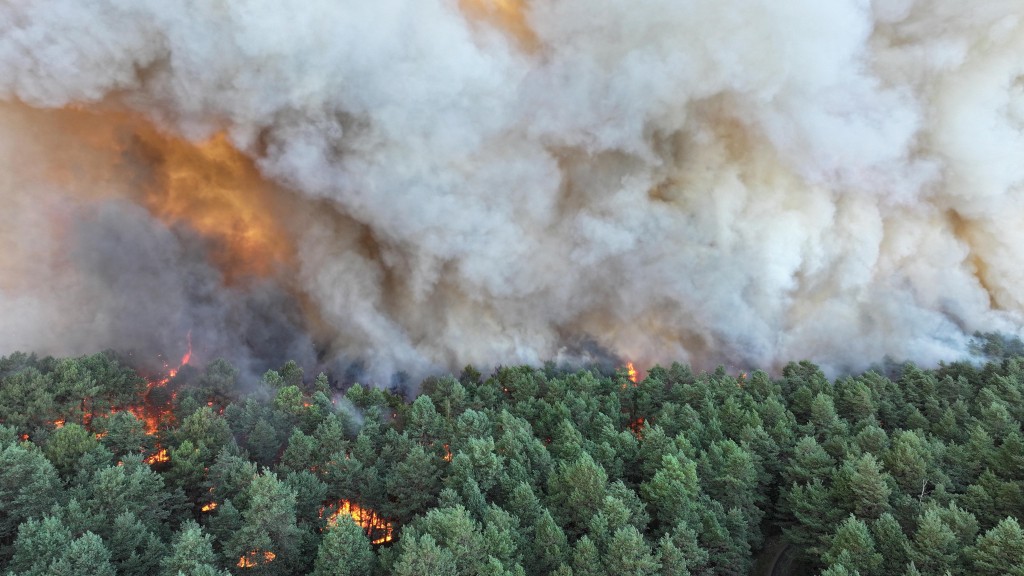
Reducing fuel before disaster strikes
A prescribed fire is a carefully planned burn. Trained teams carry it out under specific weather conditions with measures to keep flames within set boundaries.
The aim is to reduce dry vegetation or fuel that could feed a wildfire.
Flores Quiroz explains that prescribed fires are not only about protecting people. They also help maintain healthy ecosystems like fynbos.
Many fynbos species need fire to reproduce. Some seeds only sprout after exposure to heat or smoke.
Fynbos typically needs to burn every 10 to 20 years. When vegetation goes too long without fire, dead plant material piles up and creates dangerous fuel loads.
When fires eventually break out in hot, dry and windy conditions, they become extremely intense and spread rapidly. This makes firefighting almost impossible.
The absence of fire does not remove risk but actually increases it, she warns.
Prevention beats emergency response
Once a wildfire starts, firefighters cannot suddenly remove years of accumulated dry vegetation while flames bear down on homes.
That work must happen beforehand.
Prescribed fires reduce fire intensity and slow the spread. They create safer conditions for firefighting teams while lowering the chance of mass evacuations and infrastructure damage.
Short-term pain for long-term safety
Despite their benefits, prescribed fires remain unpopular, Flores Quiroz acknowledges.
Smoke affects nearby communities while some residents fear the fire could escape control. Municipalities and land managers face strict regulations, liability concerns and limited resources. They also have narrow weather windows for safe burns.
The concerns are valid. But the temporary inconvenience of a planned fire must be weighed against an uncontrolled wildfire, she says.
A few days of smoke from a prescribed burn differs vastly from weeks of smoke and destruction during a major disaster.
As more South Africans move to fire-prone areas, the country must learn to live with fire rather than trying to prevent it entirely.
Green mountain slopes may look safe. But when vegetation has not burned for decades, those same landscapes become increasingly dangerous.
Prescribed fires work with the natural role of fire in ecosystems. At the same time they reduce the risks that wildfires pose to communities, Flores Quiroz concludes.
Stellenbosch University is working with fire scientists from Norway and botanists from Sol Plaatje University on WildFireSafe. The project promotes household fire safety through wildfire risk management.
ALSO READ: El Niño: Western Cape outlines summer disaster readiness




You must be logged in to post a comment.