The Western Cape government has revealed mixed results in the financial recovery of three municipalities under intensive intervention, with Beaufort West showing steady improvement while Kannaland continues to battle compliance challenges.
Provincial Cabinet adopted quarterly progress reports on financial recovery plans for Beaufort West, Kannaland and Theewaterskloof municipalities on 13 May, covering the October to December 2025 period.
The reports, tabled under Section 147 of the Municipal Finance Management Act, provide insight into how each municipality is managing its path out of financial distress.
Beaufort West leads recovery
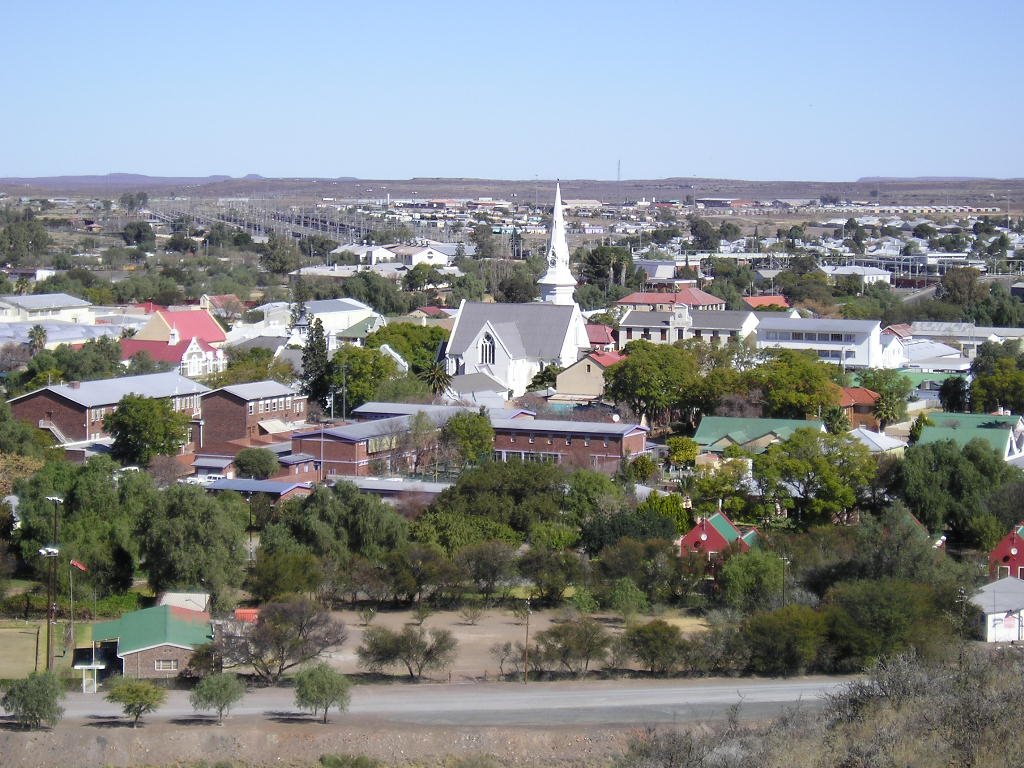
Beaufort West, which has been implementing a financial recovery plan since March 2022, has advanced to Phase 2 – the stabilisation phase – after meeting key targets.
The municipality now maintains routine payments to creditors, including power utility Eskom, and remains compliant with the Eskom Debt Relief Programme. It has also had the first third of its debt to Eskom written off.
The council’s audit outcome improved from qualified to unqualified with findings for the 2024/25 financial year, and cash management and revenue billing controls have strengthened.
However, management instability, stagnant collection rates, delayed capital spending and high water losses are preventing progression to Phase 3.
Kannaland struggles with compliance
Kannaland, which began its financial recovery plan in September 2025, remains in Phase 1 – the rescue phase – and is struggling to meet basic requirements.
The municipality has failed to fully comply with and report on the recovery plan and remains unable to pay all its creditors.
Provincial and national government have deployed an adviser to assist with improved reporting and are funding projects on revenue enhancement and a payroll audit. The municipality must complete a payroll audit including verification and skills assessment, and enforce strict overtime pre-approval.
Theewaterskloof makes early gains
Theewaterskloof, also in Phase 1 since October 2025, is implementing its financial recovery plan across all four required pillars.
The municipality achieved a significant milestone in March by signing a repayment agreement with Eskom to address outstanding debt.
Cash balances improved during the quarter, creditor management showed progress and revenue collection rates increased, though they remain below target.
Oversight to continue
Western Cape finance minister Deidré Baartman said the reports confirm that structured oversight, regular monitoring and targeted provincial support remain central to stabilising municipalities under financial distress.
ALSO READ: Kannaland Municipality: Western Cape’s worst-run council fails residents for third consecutive year
“While each municipality faces its own challenges, the reports provide a clear, evidence-based view of where progress is being made and where corrective action is necessary,” Baartman said.
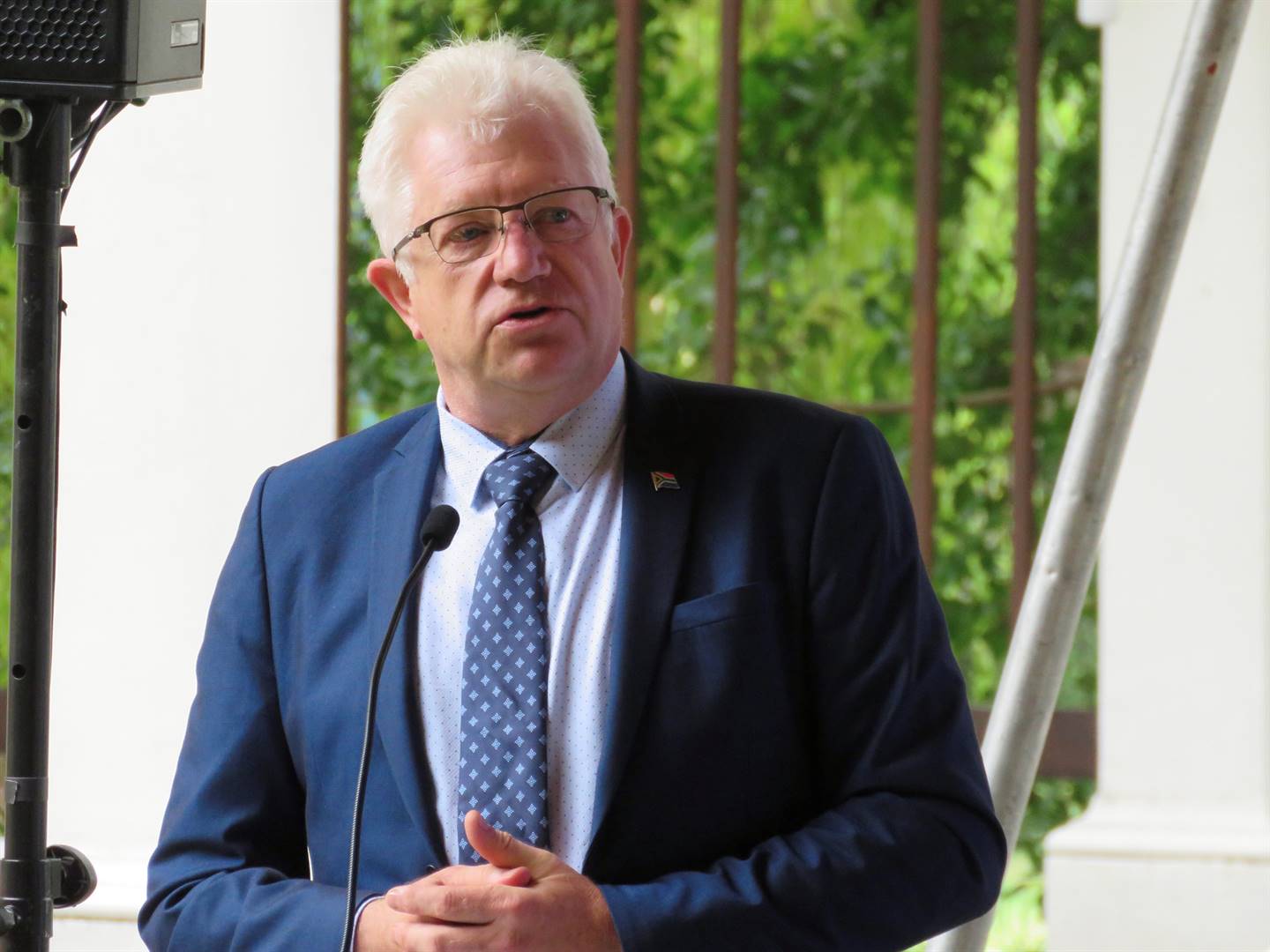
Local government minister Anton Bredell said financial recovery must translate into more reliable basic services for residents.
“Financial recovery is not an end in itself. It is about restoring municipalities so that they can meet their constitutional obligations. These reports show that progress is possible, but only where councils and administrations take ownership of the recovery process,” Bredell said.
Cabinet will continue to receive quarterly updates to track progress and address risks. The progress reports have been posted on the Provincial Treasury website for public access.
ALSO READ: From surplus to crisis: Theewaterskloof Municipality’s financial downfall and the road to recovery