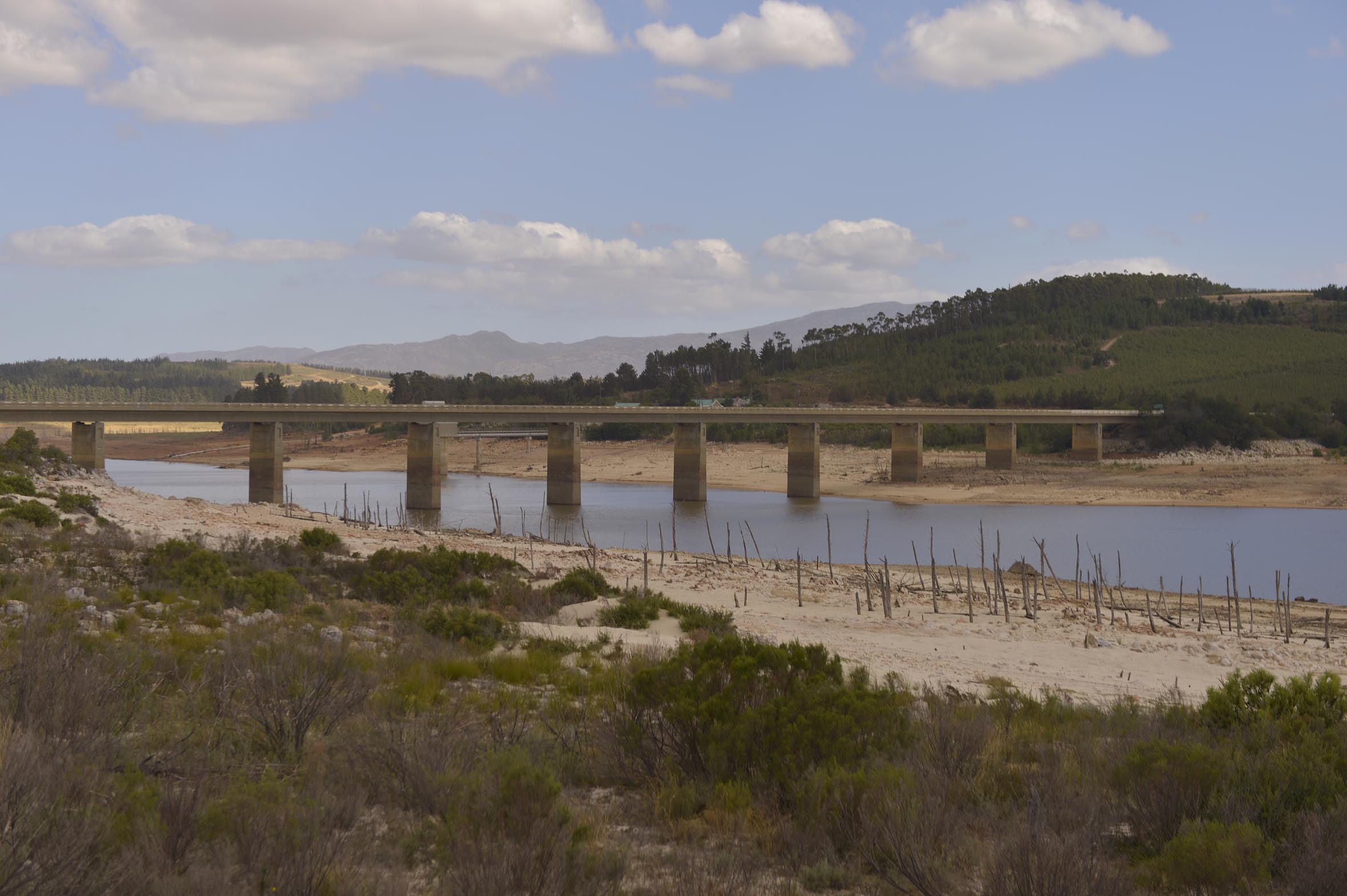
Multiple Western Cape municipalities have implemented a comprehensive range of water restrictions as the province prepares for what meteorologists predict will be a hot and dry summer season ahead.
The proactive measures, announced by Western Cape Minister of Local Government, Environmental Affairs and Development Planning Anton Bredell on Saturday, come in direct response to forecasts from the South African Weather Services warning of challenging conditions in the months ahead.
“We cannot control the weather, but we can control how we manage the water resources available to us,” Bredell said. “It is the responsibility of all municipalities to manage their water supply and ensure that their water infrastructure is maintained to ensure sufficient storage capacity, safe quality water, and to avoid leaks throughout the distribution system.”
The restrictions vary significantly across the province, with seven towns identified as posing the highest risk to water security. Knysna, Calitzdorp, Van Wyksdorp, Ladismith, Zoar Witsand, Dysselsdorp and De Rust top the list of municipalities facing critical water challenges, according to the Western Cape Department of Local Government’s ongoing monitoring efforts.
The most severe Level 6 restrictions have been imposed on Dysselsdorp and De Rust, reflecting the acute water security threats facing these communities. These restrictions typically involve significant limitations on water usage, including prohibitions on garden watering, car washing, and pool filling.
Other towns, including popular Garden Route destinations, are now operating under Level 4 restrictions. Knysna, Plettenberg Bay, Kurland Village, Natures Valley, Witsand, Calitzdorp, Van Wyksdorp, Ladismith and Zoar have all implemented these substantial conservation measures as visitor numbers traditionally increase during the December holiday period.
Level 3 restrictions affect several inland municipalities, with Swellendam, Beaufort West, Albertinia, Heidelberg, Slangrivier and Jongensfontein all requiring residents to significantly reduce their water consumption patterns.
The major tourism hub of George, along with Gouritsmond, Stilbaai, Melhoutfontein and Riversdale, currently operates under Level 2 restrictions.
Even areas with relatively stable water supplies have not been exempt from conservation efforts. Lamberts Bay, Citrusdal, Robertson, Aston, Montagu, Bonnievale, McGregor, Worcester, Rawsonville, Touwsriver and De Doorns have all implemented Level 1 restrictions as a precautionary measure.
Bredell stated that the varying restriction levels reflect each municipality’s individual circumstances and guidelines rather than a province-wide standardized approach.
“The various levels of water restrictions are not uniform as each municipality follows its own guidelines in this regard,” he explained.
Bredell further stressed the critical importance of financial sustainability in maintaining water infrastructure, noting that municipalities must ensure all water supplied to residents is correctly billed and paid for to fund necessary infrastructure maintenance and improvements.
“We urge residents and visitors to familiarise themselves with restrictions that apply locally and to please adhere to them,” Bredell said. “If we all save water there will be enough for everyone.”
The widespread implementation of restrictions comes as the province faces the dual challenge of declining dam levels and increased demand during the peak summer tourism season. The proactive approach represents a shift toward preventative water management rather than reactive crisis response.
The Western Cape Department of Local Government continues to monitor water security across all municipalities, with officials indicating that restriction levels may be adjusted based on changing conditions and rainfall patterns throughout the summer period.
ALSO READ: Western Cape avoids water restrictions despite declining dam levels