

BELLVILLE – The Western Cape is grappling with its most devastating fire season in over a decade, with approximately 132 000 ha already consumed by flames since December, prompting premier Alan Winde to seek a provincial disaster declaration to unlock emergency funding and resources.
Speaking at a briefing at the provincial Disaster Risk Management Centre in Bellville on Thursday morning (22 January), Winde confirmed that the 2025-’26 fire season has proven catastrophic, with double the number of blazes recorded compared to the same period last year.
The province has witnessed widespread destruction of structures and significant wildlife casualties, though remarkably, no human fatalities have been reported – a testament to the coordinated response of emergency services.
“When tackling disasters such as this, our sole priority is to protect lives and, as far as possible, infrastructure, including homes,” Winde stated. “It is deeply unfortunate that structures have been destroyed, but our main priority is ensuring public safety.”
Firefighting teams continue to battle a raging wildfire in mountains above Franschhoek area for the sixth consecutive day, with the Cape Winelands District Municipality reporting that multiple aerial resources were deployed following multiple flare-ups late Wednesday afternoon (21 January).
ALSO READ: Franschhoek-brand steeds buite beheer, versprei na Assegaaibos
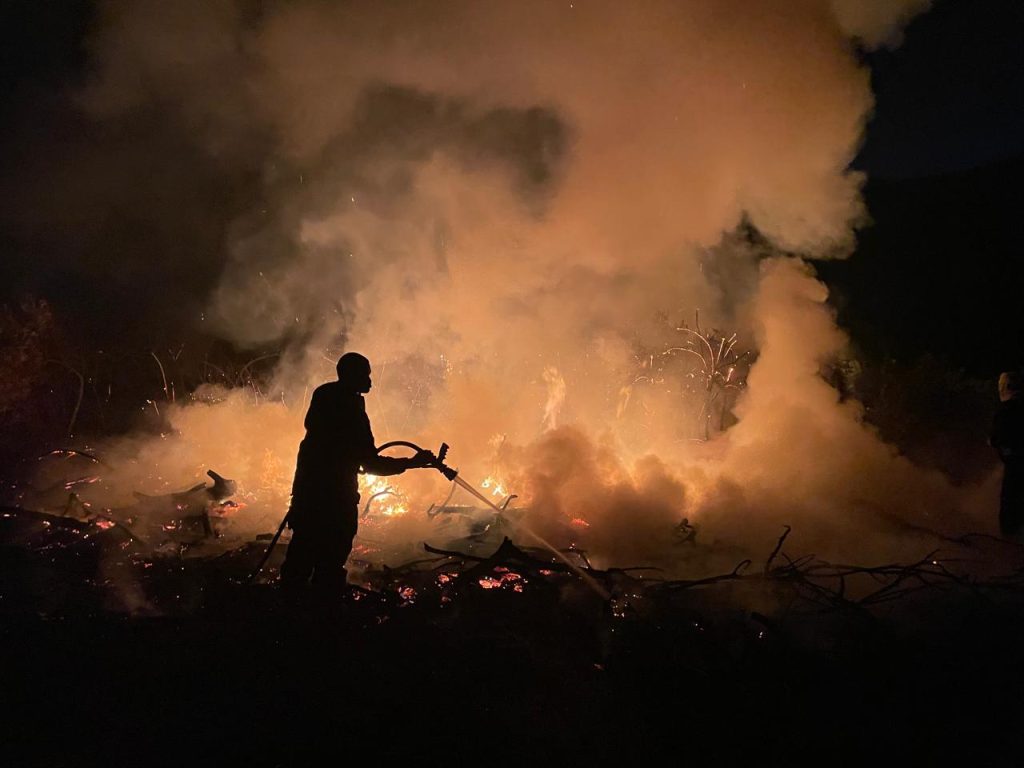
Strong deployment
Between 1 December 2025 and Sunday 11 January, the Western Cape Government has already spent more than R19 million on firefighting operations, with R16 million allocated specifically to aerial firefighting resources.
Local governments are estimated to have spent triple that amount funding their own firefighting efforts.
The province has deployed more than 1 600 municipal firefighters, bolstered by an additional 1 000 Working on Fire (WoF) personnel, who continue working tirelessly under challenging conditions. The provincial government covers the first hour of aerial firefighting costs, during which 90% of fires are typically extinguished.
ALSO READ: Cape Winelands firefighting ‘army’ mobilised for busy inferno season
Declaration sought
During the first sitting of the Western Cape Cabinet for 2026 on Wednesday, it formally requested a provincial disaster declaration from the National Disaster Management Centre, which would enable the province to access emergency funding and reallocate budgets between departments to strengthen municipal firefighting operations and critical infrastructure.
Projections indicate the current fire season could extend into May 2026, placing continued strain on already stretched resources.
The severity has been attributed to persistent hot, dry, and windy conditions across most of the province.
Compounding challenges
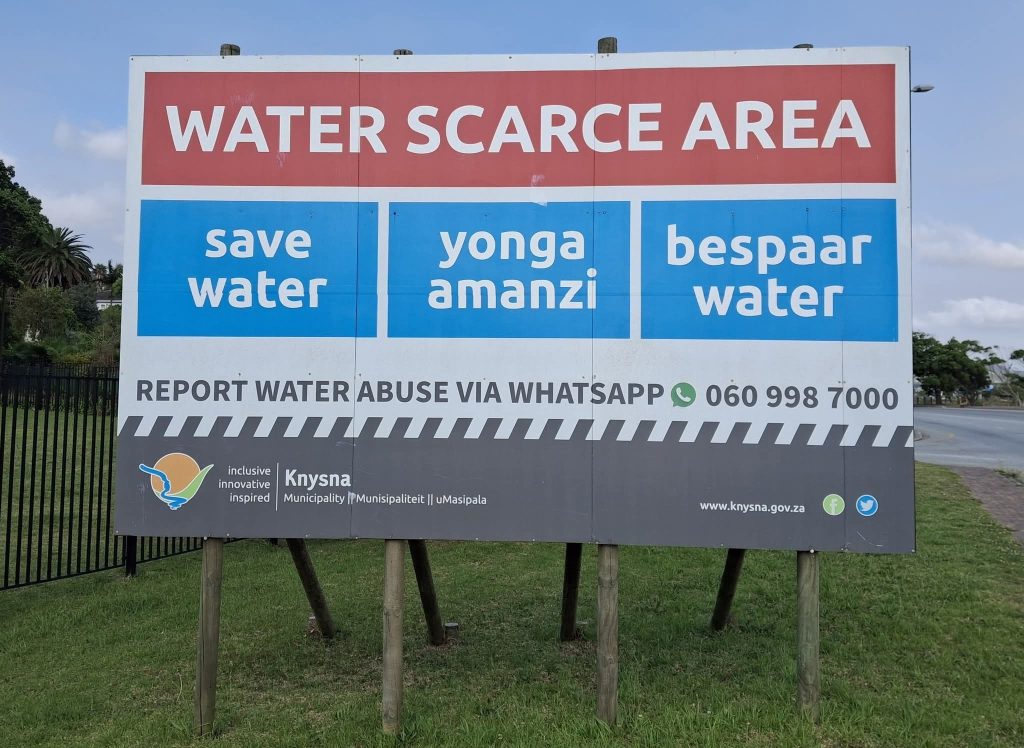
Alongside the fire crisis, the Western Cape faces mounting water-security challenges affecting multiple municipalities. Knysna Municipality remains the hardest hit, though the issue has become increasingly widespread across the region.
“The request for a Provincial Disaster classification is a preventative and risk management measure,” Winde explained. “It allows us to strengthen governance and sustain a coordinated response, desperately needed to mitigate the impact on residents, the economy, and infrastructure.”
Water restrictions are already in place across multiple municipalities as authorities work to manage the dual crisis of fire and drought.
ALSO READ: WATER CRISIS: Knysna declares emergency as taps could run dry in days
Looking ahead
During the Cabinet meeting, Winde emphasised the challenging start to the year. “Ongoing violent crime, along with the wildfires and the water situation in some regions, are grim reminders that we dare not let our guard down,” he said.
The premier stressed that while efforts to address natural and man-made disasters must be scaled up, the Western Cape Government must maintain focus on programmes that mitigate the impact of the climate crisis.
Cabinet expressed gratitude to emergency services personnel who have worked throughout the festive period, with Winde concluding: “The Western Cape is safer and stronger because of you.”
Residents are urged to remain vigilant, comply with water restrictions and report any signs of fire immediately as the province continues battling both fire risks and water security challenges.






You must be logged in to post a comment.