
Dam levels across the Western Cape have held relatively steady this week, with only marginal declines recorded across key water supply systems, but the Department of Water and Sanitation is urging residents not to let their guard down.
Acting provincial head Mkhevu Mnisi warned that unpredictable weather patterns mean the province cannot afford to be complacent about water security.
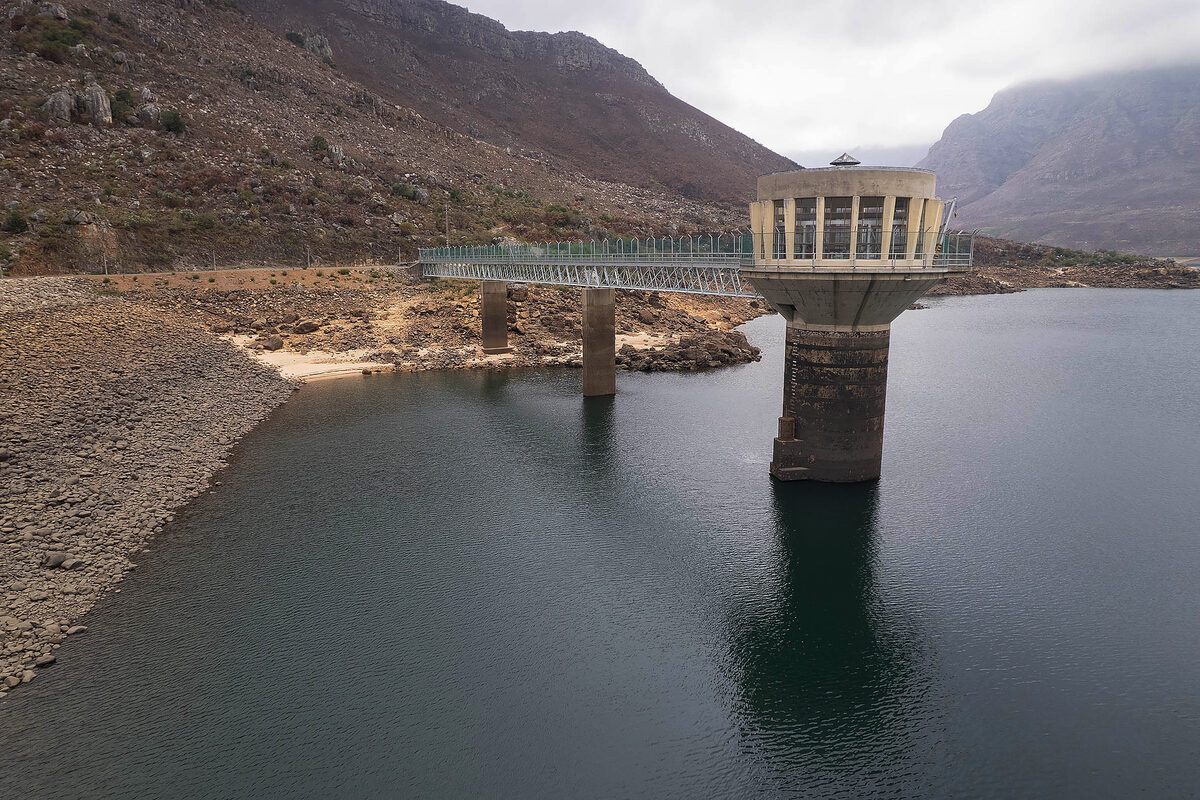
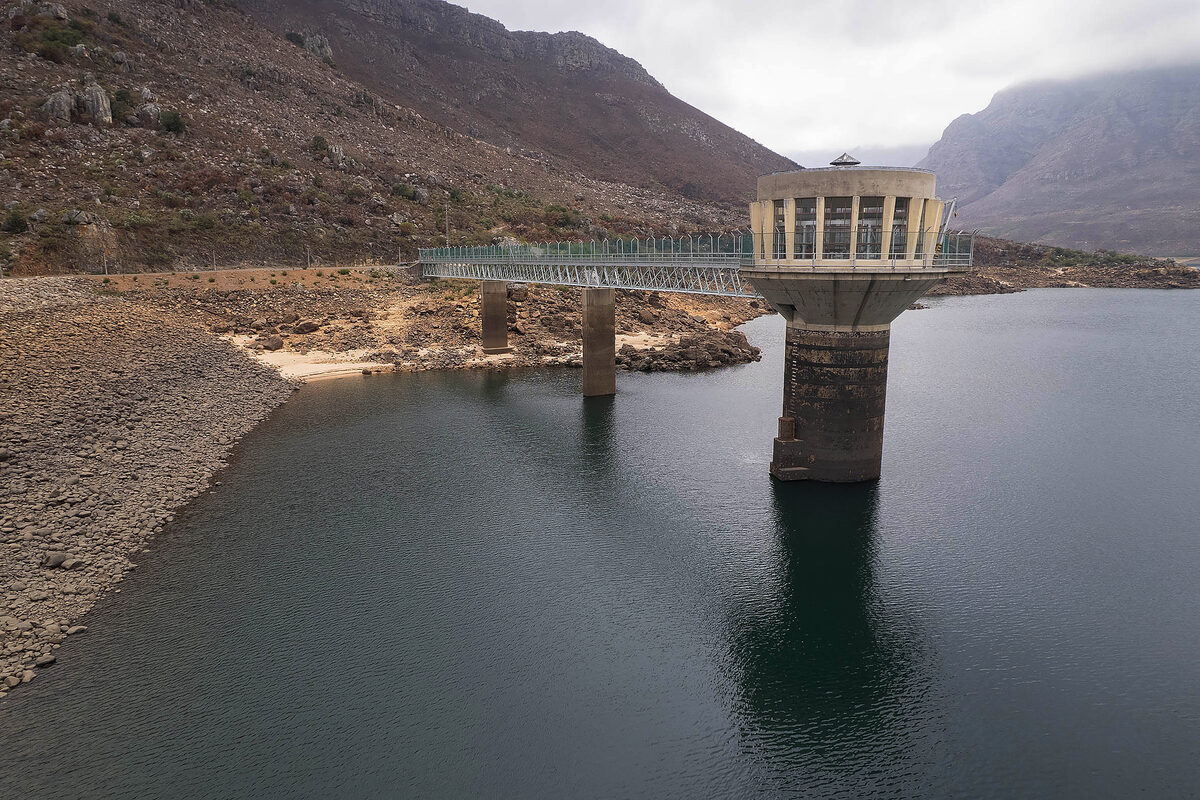
According to the latest data, the Cape Town dam system decreased from 75.81% last week, to 75.00% this week. The Western Cape state of dams recorded a decline from 79.73% to 79.53%, while Theewaterskloof Dam, the largest dam in the Cape Town water supply system, has declined from 76.03% to 75.94% .
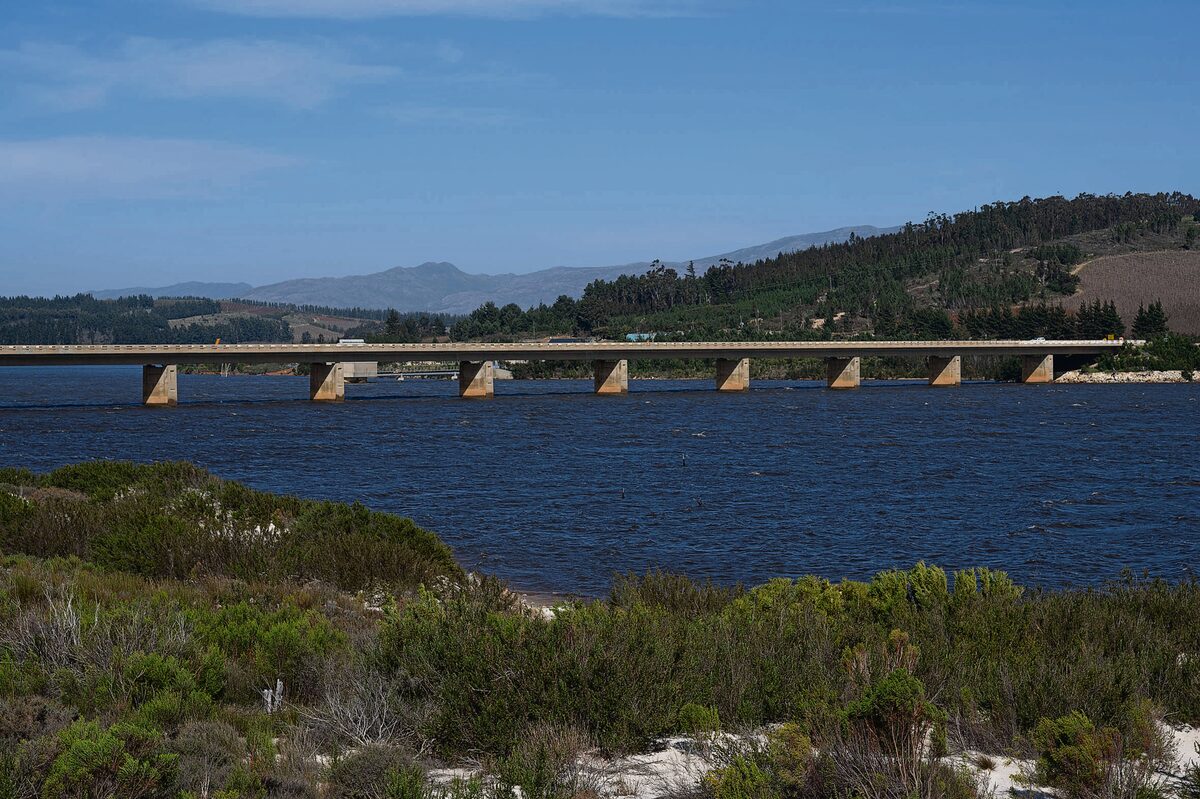
Several other catchments have also recorded stable storage levels, with most dams in the Gouritz and Olifants-Doorn catchments remaining above 100%. Clanwilliam Dam is now at 95.10%, down from 95.55% last week but still significantly higher than the 90.04 recorded during the same period last year.
In the Garden Route District, the Akkerkloof Dam continues to increase. Currently, the storage is at 69%, up from 65% last week.
While some dams recorded marginal week-on-week decreases, overall storage levels across the province remain favourable and continue to provide a strong buffer for water security.
Temperatures rising
Mnisi urged residents, businesses, and industries to use water responsibly and avoid wastage to safeguard the sustainable management and future resilience of the Western Cape’s water resources.
“While some rainfall is forecast over the coming weeks, these predictions remain uncertain and cannot be relied upon as a guarantee of future water security. It is therefore essential that all water users continue to use water sparingly and avoid unnecessary consumption,” said Mnisi.
He said the department will continue to closely monitor dam levels and hydrological conditions across the province and will provide regular updates on the status of water storage and resource availability.
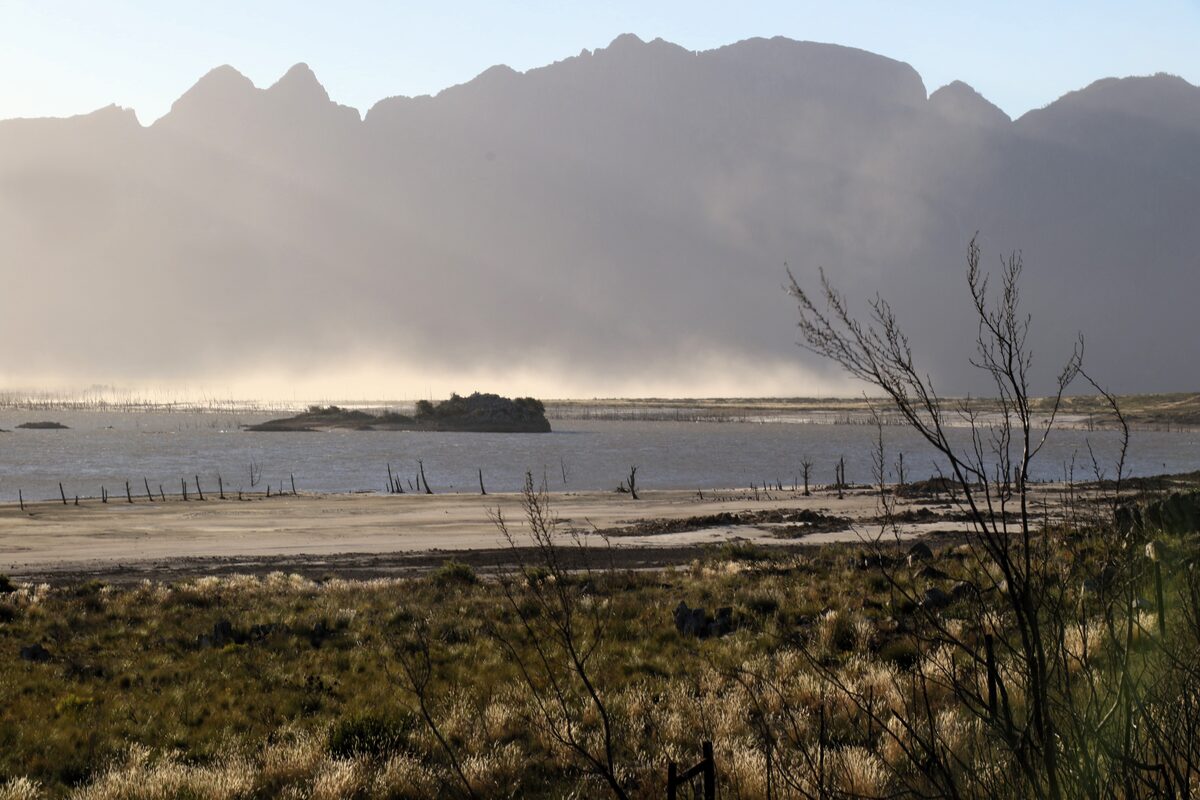
The Western Cape government has partnered with the University of Cape Town to model the province’s future climate patterns, and the findings paint an unsettling picture. The modelling points to increasingly frequent and intense droughts, more hot days and fewer cold days, reduced autumn rainfall between March and May across most sub-regions.
ALSO READ: El Niño: Western Cape outlines summer disaster readiness
Chief director of environmental sustainability Karen Shippey says temperatures are rising at an accelerating rate, driven by human-induced climate change. “What we see is that they are different to historical events because we have this extra accelerator that human-induced climate change is bringing,” she said.
Individual dam levels
Theewaterskloof, the largest dam in the Western Cape’s supply network, stands at 75.94%, slightly down from 76.03% the previous week and well below the 86.82% recorded at the same time last year.
Steenbras Upper is at 83.09%, a notable drop from 92.96% last week and 101.47% last year. Its counterpart, Steenbras Lower, is of greater concern at just 46.95%, down from 51.32% last week and a steep fall from 99.35% this time last year.
Voëlvlei is at 59.23%, marginally lower than last week’s 59.96% and less than two-thirds of the 100.38% recorded a year ago. The Berg River Catchment stands at 91.05%, up slightly from 90.80% last week but down from 99.87% last year. Wemmershoek is at 90.88%, down from 93.11% last week but close to last year’s 91.78%.