

The Western Cape’s water security is facing a concerning challenge as the latest dam level report reveals a dramatic decline across the province’s major water storage facilities. Comparing November 2025 levels to the same period in 2024 shows a troubling trend that warrants attention from water management authorities and the public.
The Western Cape’s overall state of dams has experienced a significant drop from 94.4% in November 2024 to it’s current level of 77.32%. This substantial decrease signals a concerning shift from the relatively healthy water storage levels recorded just one year earlier.
This decline affects virtually every major water supply system across the province, with 40 out of 44 individual dams showing reduced levels compared to their 2024 positions. Only three dams managed to improve their levels over the same period.
The Cape Town System Dams, which serve the metropolitan area and surrounding municipalities, have seen their combined levels drop from 99.13% in November 2024 to 84.37% in November 2025.
The Cape Town system includes critical infrastructure such as: – Wemmershoek Dam 82.02% (99.15% 2024) – Voëlvlei Dam 94.53% (101.82%) – Steenbras Upper 98.80% (96.02%) and Lower 84.56% (87.93%) Dams – Berg River Dam 94.54% (99.79%).
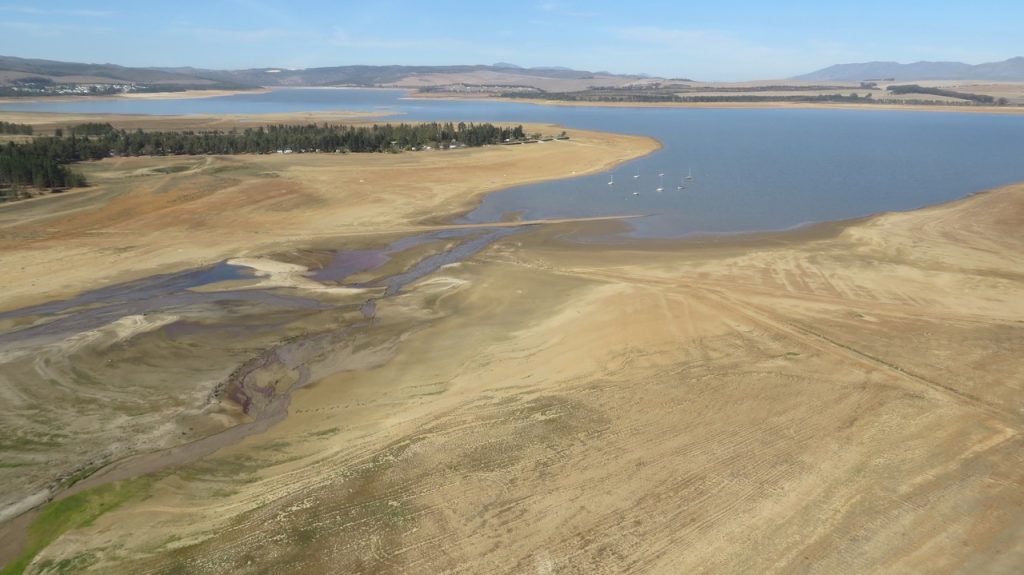
Theewaterskloof Dam, the largest in the province, also shows a noticeable decline having been almost full at 99.36% this time last year, compared to its’ current standing at 78.15%
While current levels remain above the critical thresholds that triggered restrictions during the 2017-2018 drought crisis, the downward trend requires careful monitoring and proactive water management strategies.
The decline is not isolated to a single area but affects all major catchments across the Western Cape:
Berg River catchment
- 2024: 98.99% | 2025: 91.67%
Breede River catchment
- 2024: 92.33% | 2025: 77.76%
Gouritz River catchment
- 2024: 94.00% | 2025: 47.21%
Olifants/Doorn River catchment
- 2024: 97.08% | 2025: 82.20%
The Gouritz River Catchment shows the most severe decline, losing nearly half of its storage capacity in just one year. This dramatic drop from above 90% to below 45% represents the most concerning regional development in the current report.
The Langeberg and Breede River Municipalities have already announced stage 1 water restrictions.
Several individual dams have experienced catastrophic declines:
Most severely affected dams:
- Gamkapoort Dam: 99.3% → 19.9%
- Prinsrivier Dam: 92.0% → 19.5%
- Ernest Robertson Dam: 100.0% → 35.7%
- Floriskraal Dam: 96.9% → 37.5%
- Calitzdorp Dam: 99.3% → 41.6%
The 2024-2025 water-year appears to have delivered significantly less rainfall than the previous year, which had filled most dams to capacity or near-capacity levels.
Growing urban development across the Western Cape, particularly in the Cape Town and Boland areas is placing additional pressure on storage systems.
The Western Cape’s water crisis of 2017-2018 demonstrated the province’s vulnerability to rapid changes in water availability. During that crisis, Cape Town came dangerously close to “Day Zero” – when municipal water supplies would have been largely cut off.
The current data suggests the Western Cape may be entering another challenging water period. While dam levels remain above crisis thresholds, the rapid rate of decline requires proactive management rather than reactive crisis response.


You must be logged in to post a comment.