

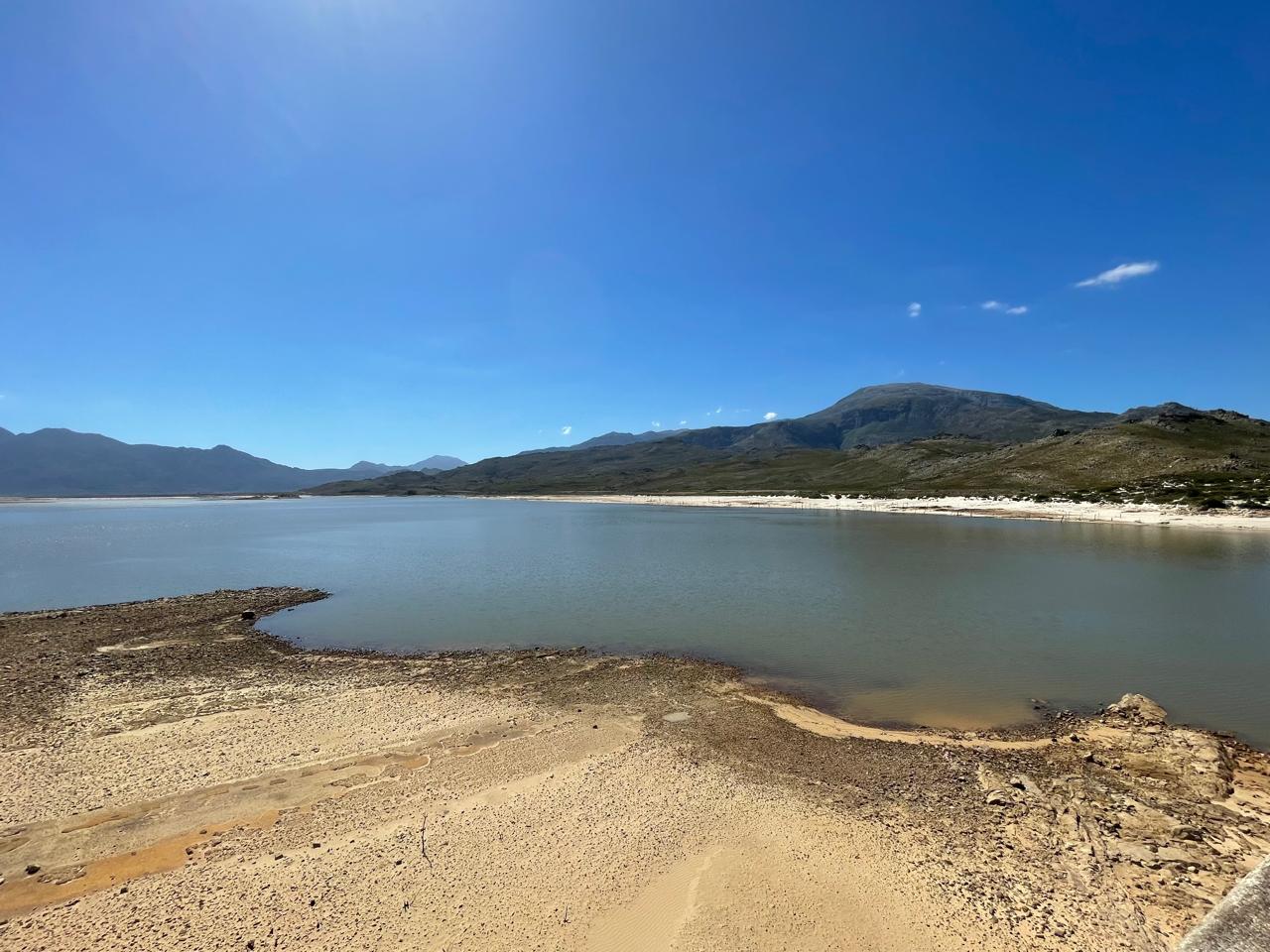
Dam levels across most of the Western Cape have fallen well below last year’s figures, raising fresh concerns about water security as Cape Town and surrounding areas approach the dry summer months with the 2018 drought still fresh in memory.
The Cape Town water supply system stands at 74% this week, down nearly 16% from the 90% recorded at the same time last year, according to the latest weekly dam level report.
Authorities are watching levels closely as the dry summer season approaches. The National Department of Water and Sanitation has indicated that it is considering water restrictions as the system tracks below the 80% threshold typically needed to avoid formal controls.
The decline is particularly sharp in certain catchments. The Berg River Catchment has dropped 22% compared to last year, while the Breede River Catchment is down 7%. Only the Gouritz and Olifants/Doorn catchments are performing better than last year, with Gouritz showing a healthy 46% increase.
Individual dams tell a more concerning story. Voëlvlei Dam has plummeted from nearly 100% last year to just 58%, a drop of 42%. Steenbras Lower Dam sits at a worrying 47%, down from 94% in October 2025. Theewaterskloof, the largest dam in the system, is at 75%, 10% below last year’s level.
The decline comes as Cape Town’s population has grown significantly since the 2018 drought, when the city faced “Day Zero” – the point at which taps would be turned off and residents would have to queue at distribution points for a daily ration of 25 litres per person.
In 2018, Cape Town’s population stood at 4.2 million. Since then, the metro has experienced sustained growth driven by semigration, with people relocating from other provinces, and ongoing property development. This has placed additional strain on the water supply system, which relies on six major dams.
ALSO READ: El Niño: Western Cape outlines summer disaster readiness
Weather patterns since 2015 have been unpredictable, with the three-year drought that led to the 2018 crisis described as a one-in-400-year event. Climate experts continue to warn that the Western Cape faces increased volatility in rainfall patterns due to climate change.
The province’s overall dam storage stands at 80%, marginally below last year’s 83%. With little rainfall expected in the coming weeks before the dry season sets in, officials are urging residents to maintain water-saving habits developed during the previous crisis.
ALSO READ: Western Cape dam levels show good news and bad news


