As South Africa moves closer to the next local government elections, one thing is already becoming clear. The political noise has begun.
Every day our social media feeds are filled with political videos, memes, opinion pieces, WhatsApp messages and Facebook posts. Some come from political parties, others from activists, influencers or ordinary citizens. Almost everyone suddenly becomes a political commentator, strategist or analyst.
There is nothing wrong with vigorous political debate. In fact, democracy depends on it. The problem arises when opinion is presented as fact, when isolated incidents are portrayed as national trends, or when carefully selected information is used to create a particular narrative while ignoring equally important facts that may point in a different direction.
Modern election campaigns are no longer fought only on public platforms or in newspaper columns. They are increasingly fought on smartphones.
Social media rewards emotion far more than accuracy. Outrage spreads faster than nuance. A dramatic headline attracts more attention than a balanced explanation. The result is that voters are often exposed to an overwhelming mixture of facts, half-truths, selective statistics and outright misinformation.
How then does the ordinary voter distinguish between fact and fiction?
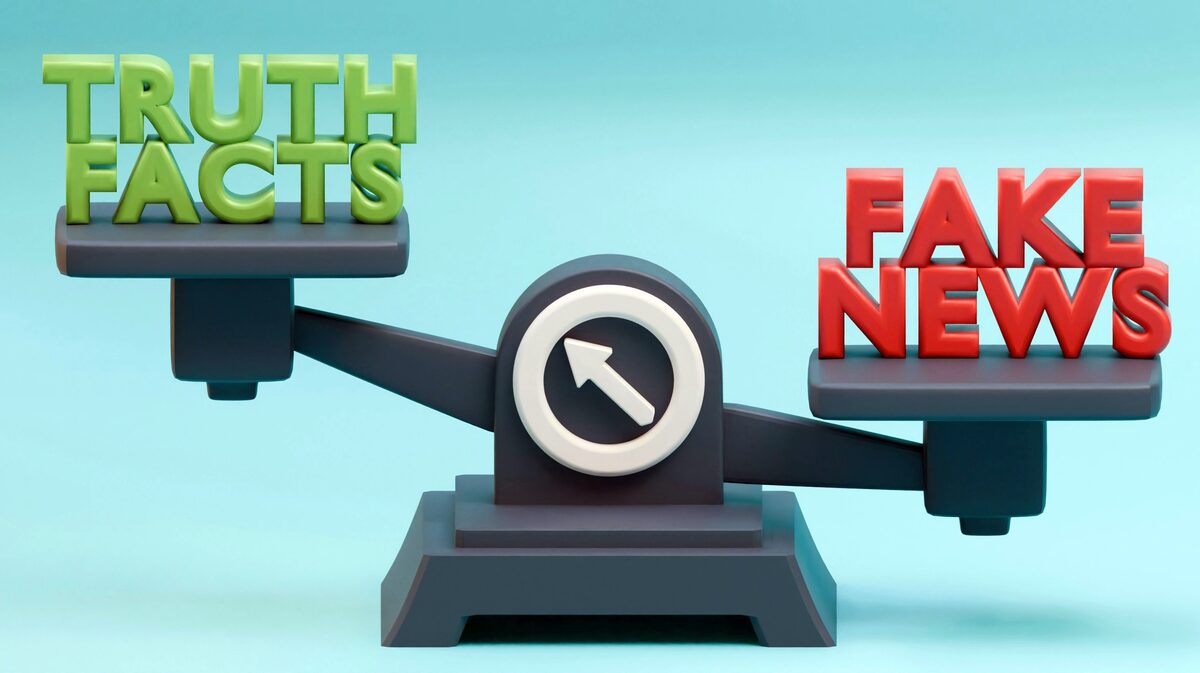
The first step is to recognise that every source has a perspective. Political parties naturally emphasise their successes while highlighting the failures of their opponents. Supporters do exactly the same. Even commentators often interpret the same event very differently depending on their own beliefs and values.
Secondly, distinguish between evidence and opinion. Statements such as “this municipality is collapsing” or “this is the best government ever” are opinions unless they are supported by objective evidence. Reliable statistics, audited financial statements, service delivery reports, election results and official budgets provide a far stronger basis for judgement than slogans or memes.
Thirdly, beware of emotional manipulation. Fear, anger and outrage are powerful political tools because they encourage people to react before they think. Whenever a post immediately makes you angry or excited, it is worth asking whether the message is trying to inform you or simply persuade you.
Fourthly, look at long-term performance rather than isolated events. Every municipality experiences successes and failures. One water outage, one successful housing project or one viral video rarely tells the full story.
Elections should be based on sustained performance over many years rather than a single headline.
Finally, ask difficult questions of every political party, not only those you disagree with. What promises were made previously? Which were delivered? How will new promises be funded? Are the proposed solutions realistic?
Good democracy requires healthy scepticism towards everyone, not just political opponents.
Perhaps the greatest challenge facing voters today is not a lack of information but an overload of information. In such an environment, critical thinking becomes more important than ever. Democracy depends on informed citizens who are willing to question what they read, verify what they hear and think independently before casting their vote.
The noise will only become louder as election day approaches. Political parties will campaign vigorously, supporters will defend their chosen candidates passionately, and social media will continue to amplify every controversy.
• Dr. Coetzee is a senior lecturer at the Faculty of Military Science, Stellenbosch University.