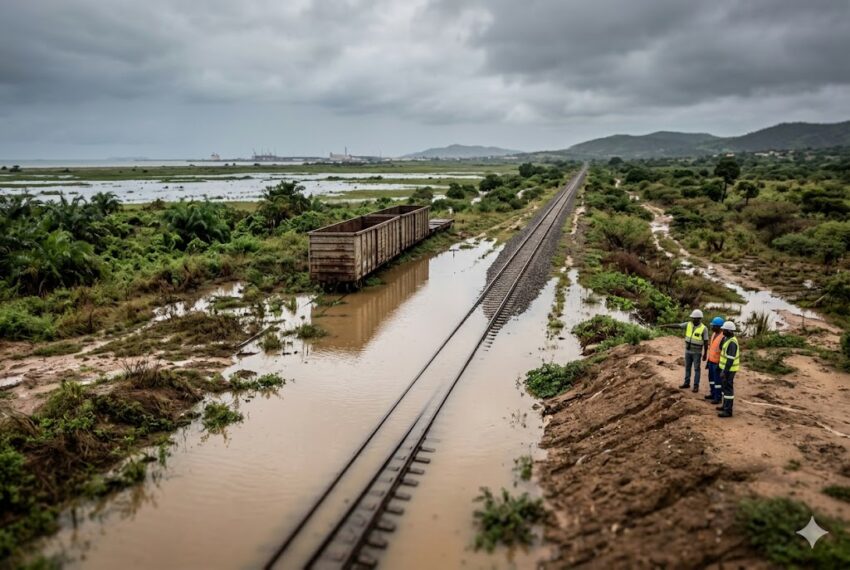
Six people have died in torrential rain that hit Angola over the weekend, the interior ministry said on Monday, bringing the death toll from flooding in the country to more than 46 in two weeks.
The central coastal city of Benguela bore the brunt of the deluge for the second consecutive weekend, with five deaths and four people reported missing. Public broadcaster TPA showed entire neighbourhoods submerged by floodwaters from the Cavaco River, with residents wading through waist-deep water.
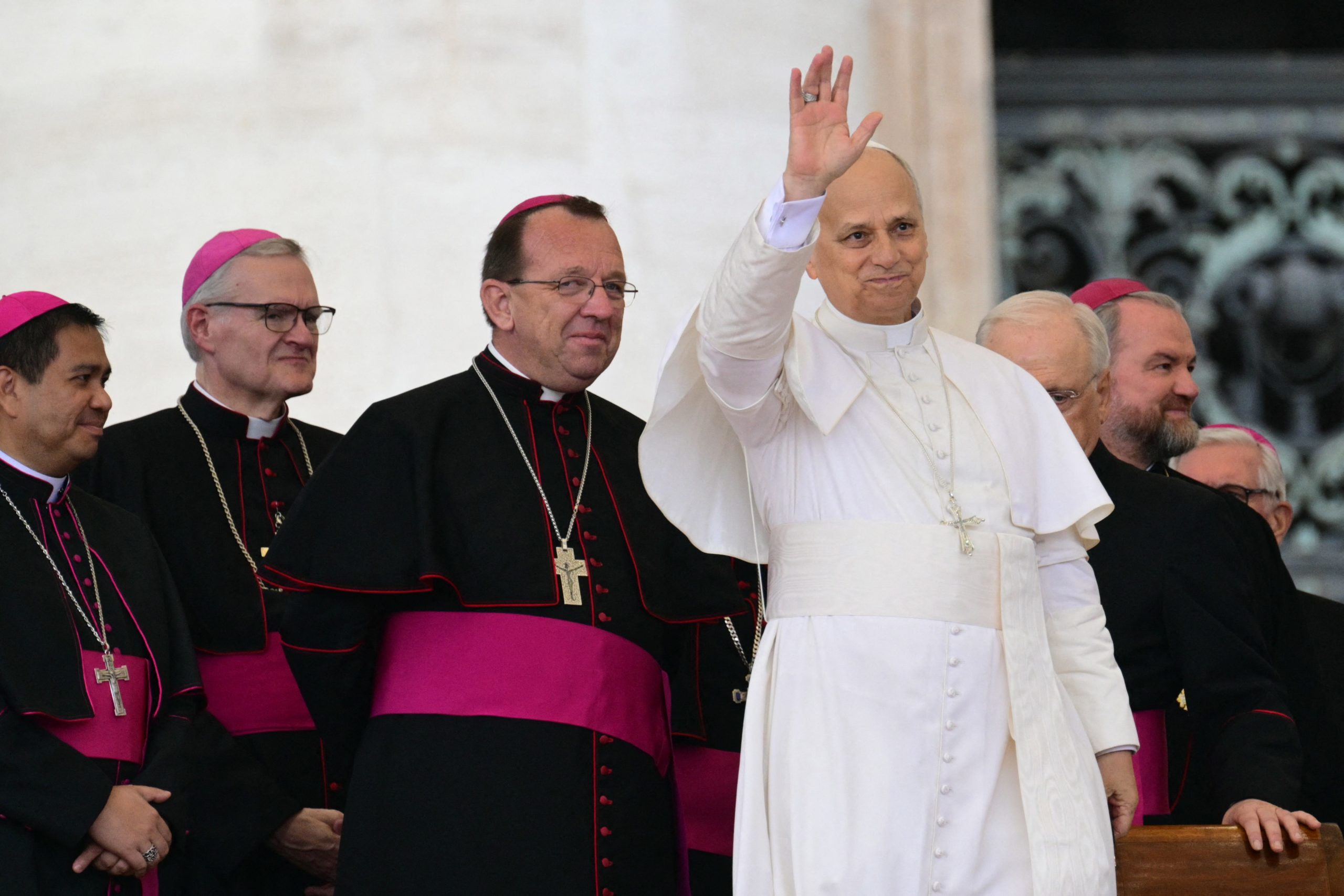
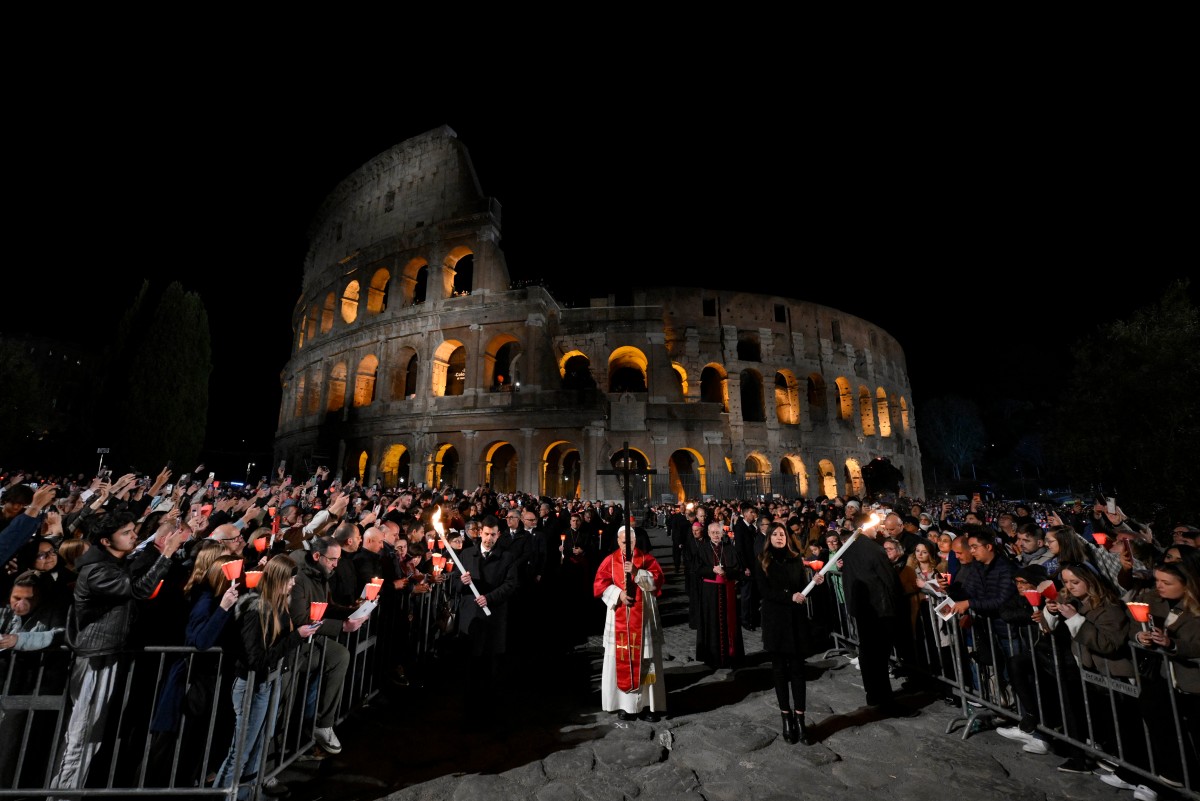
One person died in a suburb of the capital Luanda, where Pope Leo XIV is scheduled to visit on Saturday as part of his first major overseas tour, which began on Monday in Algeria.
Heavy rainfall is common in southern Africa during the southern hemisphere summer, and the region has experienced repeated deadly flooding since the start of the year.
ALSO READ: Authorities issue stern warnings as heavy rainfall and flooding threaten the Free State
Researchers from the World Weather Attribution network estimated in January that extreme rainfall events in the region have become significantly more intense due to human-induced climate change. Between January 10 and 19, parts of southern Mozambique received up to 500mm of rain, equivalent to a normal year’s worth of rainfall.
ALSO READ: WATCH | Kruger flooding forces Letaba Camp evacuation, day visits suspended
Around 50 people died during that flooding period, according to Mozambique’s National Institute for Disaster Management.
In South Africa, floodwaters devastated villages and killed more than 30 people in January, causing millions of dollars’ worth of damage, including in Kruger National Park. At least 13 people died in mid-March in Malawi following heavy rains.
The currently active La Nina weather cycle also tends to produce above-average rainfall in southern Africa. WWA scientists say it accounts for about 22% of the increase in rain intensity.
ALSO READ: Death toll in flooding jumps to 49