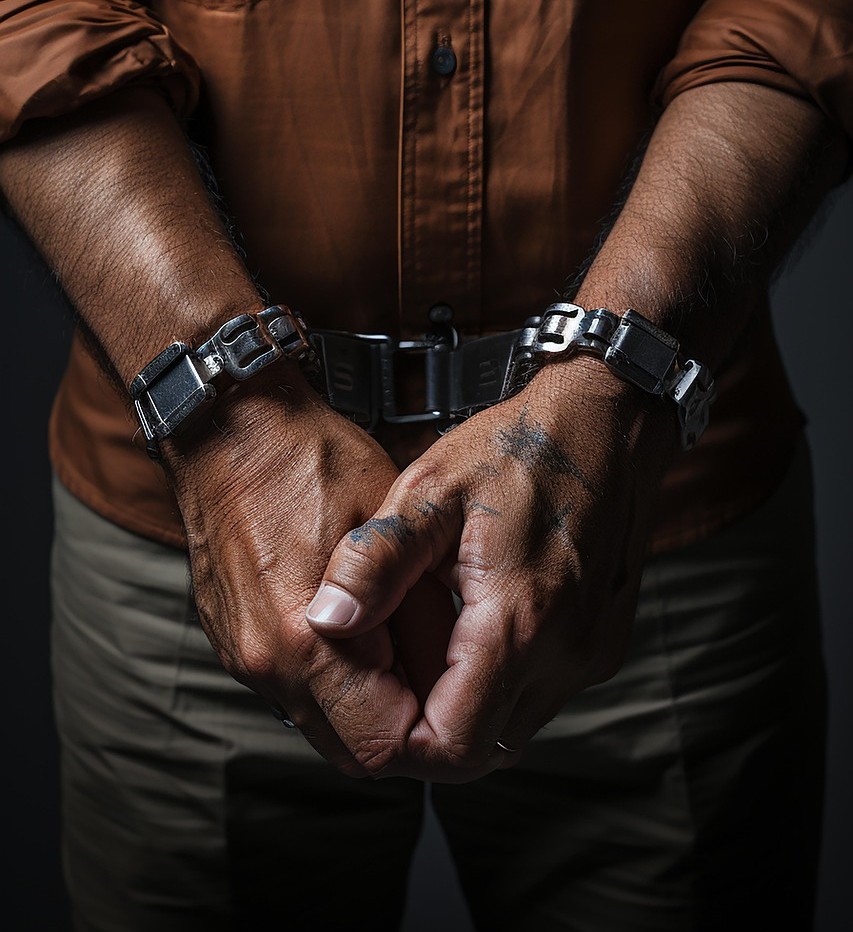
Zimbabwe was once the land of milk and honey. Six currencies later, a collapsing economy,
and a president still clinging to power (now trying to change the Constitution so he can
stay until 2030).
“All elections since 2008 have been rigged,” a Zimbabwean woman told me today. “Even Al
Jazeera reported on it.” She said it so plainly, as if it was a fact everyone already knows. And
maybe it is.
I told her I’ve never been to Zimbabwe, but I read a lot about it. I know the patterns… the
media crackdowns, the arrests, the intimidation. Working in this field, I know what happens
when power goes unchecked. But hearing it from her hit differently. “Zimbabwe has no
hope,” she said quietly. “Not without SADC.”
Why should South Africa step in?
That question sat with me. Why should we? South Africa has its own problems… corruption,
poverty, inequality. We’re still fighting to keep our democracy alive in a system that often
feels too big to fix. But if we, with all our rights and all our freedoms, don’t raise our voices
for our neighbours, then what do those rights even mean?
We keep hearing the stories of people being silenced, activists disappearing, journalists
arrested. And still, people keep saying, “It’s better in South Africa.” I wanted to understand
that. Because yes, we have one of the highest inequality gaps in the world. Our poorest
communities live in conditions no one should have to. So how could it possibly be better
here?
Maybe the difference is this: in South Africa, we can still talk about it. We can still call it out.
We can still fight it out loud.
Freedom, but with boundaries
At the Freedom of Expression Festival in Johannesburg, three days, thirteen events,
endless conversation, I was reminded just how complex this right really is. I work with an
organisation that defends it, and still, I left feeling both proud and uneasy.
Because yes, we have freedom of expression. But it isn’t absolute. Our Constitution is
beautiful and messy in that way. Section 16 protects speech but also limits it: no hate
speech, no incitement, no propaganda for war. And then the courts step in to decide where
that line really falls.
Like in the Malema “Kill the Boer” case, ruled not to be hate speech. Then not long after, the
same Malema called Kenny Kunene a “cockroach” and was found guilty of hate speech. Two
completely different rulings. Same person. Different contexts. That’s how alive our law is. It’s
constantly being interpreted, argued, challenged. And that’s a good thing.
The contrast next door
Across the border, the system doesn’t work that way. Journalists in Zimbabwe are harassed,
people are jailed for protesting, and corruption runs deep with gold and cash literally walking
the streets, traded in plain sight.
And so I think about how fragile freedom really is. How easily it can disappear when power
stops being questioned. We all know exactly what is going on in Zimbabwe. We all know.
Just people
After the festival, I kept thinking: it always comes down to people. The people at the bottom.
The people at the top. The people who make decisions, and the people who live with them.
Every day I meet both.. the ones who have everything, and the ones who have almost
nothing… and I’m reminded how strange and connected this all is. How everyone is just
trying to find their place in a world that doesn’t play fair. It’s just people! What a silly reminder
to myself, don’t you think?
So yes, our law is complicated. Our politics, often exhausting. But in South Africa, we are
free. At least freer than most on African soil. And that’s something worth fighting to keep.
Eastern modern slavery and black markets continue to rise. And we are letting it all happen.
Watching it all unfold. So Mr. President, can you please talk to your people?
- Catherine White is an award-winning journalist and media trainer whose work focuses on freedom of expression, accountability, and storytelling across the Global South. She is the founder of Cat White Media, an independent agency making news accessible in the digital age.
ALSO READ: Zimbabwe’s farmers push on as land grab compensation flounders