Overstrand Municipality has introduced water restrictions for Pearly Beach and Eluxolweni until further notice, adding to the growing list of Western Cape towns facing water conservation measures.
The coastal town is one of 33 in municipalities across the province currently implementing water restrictions following predictions of a prolonged dry summer and another low-rainfall winter in 2026.
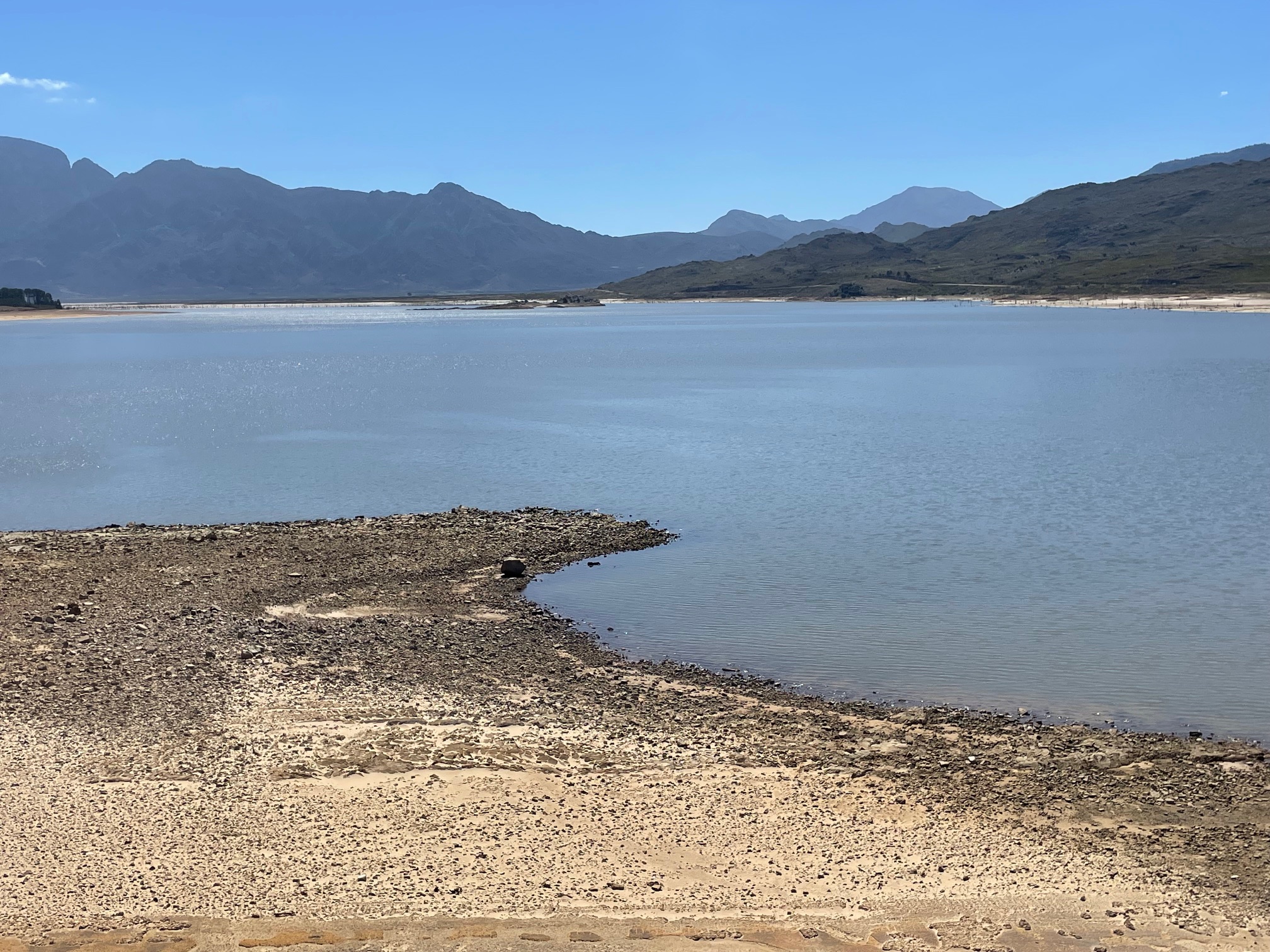
Pearly Beach is supplied with bulk water from the Pearly Beach Dam and the Koekemoer Dam. While the smaller Pearly Beach Dam remains at 95% capacity, the Koekemoer Dam has dropped to 40% following damage to a private bulk water pipeline during recent fires – an issue beyond the municipality’s control.
The municipality cited the low rainfall since August 2025 and forecasts of another dry winter as reasons for the precautionary measures.
The restrictions prohibit watering gardens and lawns with municipal water using a hosepipe or irrigation system, filling swimming pools with municipal water, and washing vehicles with a hosepipe. Residents using alternative water sources such as wellpoints, boreholes or rainwater tanks for irrigation must display signage prominently.
Overstrand Municipality is investigating groundwater potential in the area and is appointing a drilling contractor to diversify the town’s water sources and reduce dependence on surface water dams.
No water restrictions currently apply to other areas within the Overstrand, but the municipality said it was monitoring the situation closely.
The municipality’s water services bylaw clause 46 remains in effect across the entire Overstrand area, prohibiting irrigation between 09:00 and 17:00 daily to limit evaporation during the warmest hours.
Provincial picture
The Western Cape government has urged municipalities to implement proactive water restrictions following forecasts by the South African Weather Service for a long, hot and dry summer.
According to recent reports, 33 towns across the province are currently under varying levels of water restrictions, ranging from level one to level six.
De Rust and Dysselsdorp face the most severe level six restrictions, which include bans on garden watering, car washing and filling swimming pools.
Knysna, Plettenberg Bay, Kurland Village, Natures Valley, Calitzdorp, Van Wyksdorp, Ladismith, Zoar, Garcia, Vermaaklikheid and Witsand are under level four restrictions, with personal water use capped at 105 litres per person per day and prohibitions on hosing outdoor areas.
Level three restrictions apply to Swellendam, Beaufort West, Albertinia, Heidelberg, Slangrivier and Jongensfontein.
George, Gouritsmond, Stilbaai, Melkhoutfontein and Riversdale are under level two restrictions, while level one precautionary measures are in place in Lamberts Bay, Citrusdal, Robertson, Ashton, Montagu, Bonnievale, McGregor, Worcester, Rawsonville, Touwsriver and De Doorns.
Provincial dam levels currently stand at approximately 51% compared to 74% of capacity in 2025, and the level of the Theewaterskloof Dam, the largest in the province, has declined to 55% compared to 79% last year.
The province has experienced unusually dry and windy weather since early summer, raising concerns about a repeat of the severe drought conditions of 2017.
ALSO READ: Garden Route water crisis deepens as multiple municipalities implement emergency restrictions