

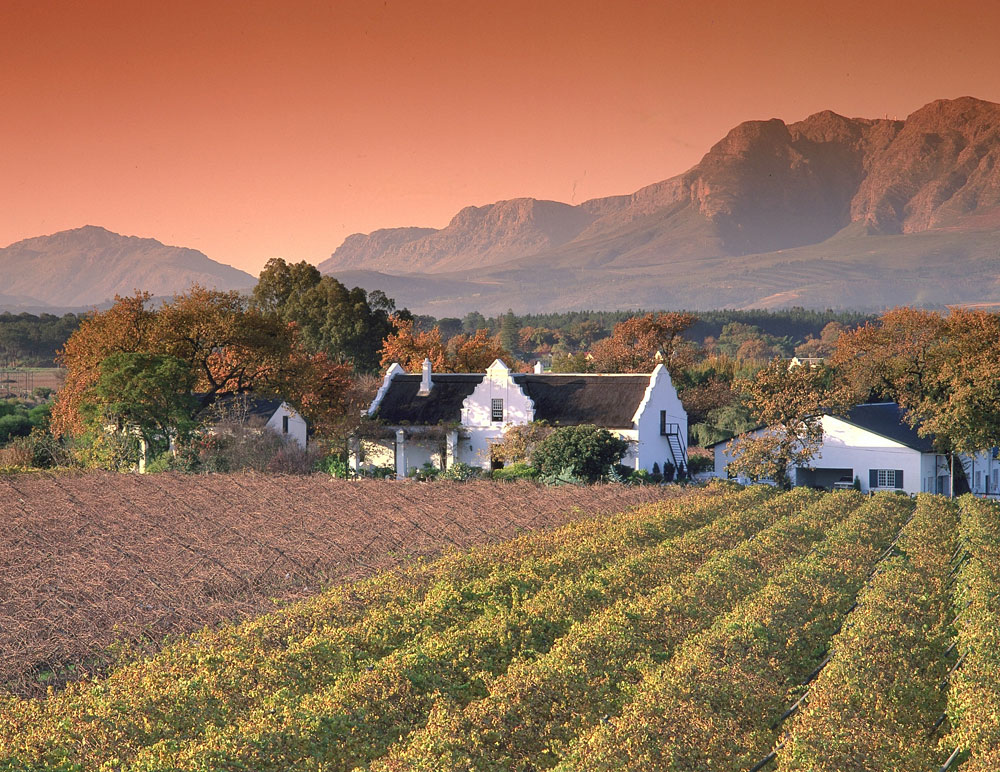
More than 60 wine estates across the Western Cape have collectively conserved 23 585 hectares of threatened Cape flora over the past two decades through a partnership with WWF South Africa.
The Conservation Champion programme, which celebrated its 20th anniversary at Houw Hoek Hotel in Grabouw recently, recognises wine farms that set aside portions of their land to protect natural habitat in the Cape Floral Kingdom.
Angel Campey of Smile FM hosted the event, which brought together wine farmers, conservation partners and industry leaders to reflect on two decades of environmental stewardship and discuss future plans.
From wine expansion to conservation partnership
The initiative began in 2004 as the Biodiversity and Wine Initiative (BWI) when South Africa’s rapidly expanding wine industry started encroaching on threatened habitats. Wine farm owners who pledged to protect natural land on their properties could receive support and certification through the programme.
Vergelegen Wine Estate became the first farm to join in 2005 and remains part of the programme today. Koopmanskloof and Zevenwacht are the most recent additions to the 60 participating farms.
By 2015, more than 90% of the South African wine industry had certified through BWI and its partnership with Integrated Production of Wine. The programme transitioned to WWF Conservation Champions in 2016 to focus on environmental leaders demonstrating conservation commitments, ecotourism initiatives and water and energy innovations.
Protecting endangered habitats in a biodiversity hotspot
The 23 585 hectares now under conservation equals almost 24 000 rugby fields. More than 60% of this land is classified as endangered or critically endangered habitat.
The Cape Floristic Region is a global biodiversity hotspot and the world’s smallest plant kingdom, containing more than 9 000 plant species. Many of these species exist nowhere else on Earth.
Eben Olderwagen, environmental manager at Vergelegen Wine Estate, said the programme helps farms find equilibrium between different priorities.
“For us at Vergelegen it’s all about balance. It’s not just about nature, it’s not just about people or making and selling wine, it’s how everything fits into one picture,” he said.
Funding conservation projects on working farms
An Activation Fund, supported by the Table Mountain Fund and contributions from Neville Isdell and the late Pamela Isdell, provides R50 000 per farm for conservation projects. Since 2019, 16 farms have used this funding to clear invasive alien plants, restore rivers and habitats, develop education programmes and improve agricultural management.
Pavitray Pillay, executive head of business development and marketing at WWF South Africa, highlighted the connection between environmental protection and economic sustainability.
“There is no economy without ecology. There is no business without nature. There is no wine in your glass without nature,” Pillay said.
Mkhululi Silandela, policy and systems change lead at WWF South Africa, said the programme positions the country as a leader in collaborative conservation approaches.
“The Conservation Champions programme provides South Africa with a ready opportunity to be one of the frontrunners in demonstrating how conservation could be done differently,” Silandela said.
Expansion plans beyond the wine industry
Consumers can identify wines from participating farms by looking for a label featuring a sugarbird and protea, species native to the Cape Floral Kingdom that depend on each other for survival.
The programme now plans to expand into the fruit farming sector, potentially extending the conservation model beyond wine estates and the Western Cape. WWF South Africa also aims to increase the number of participating farms in high biodiversity areas and create ecological links between conservation sites.
Pillay said the programme demonstrates how agriculture and environmental protection can work together.
“May we continue to build a nature-positive South Africa, where people and nature thrive, and may every single glass of wine from South Africa continue to not only tell a story of excellence, but of stewardship, resilience, collective action and hope,” she said.
ALSO READ: Western Cape adds 47,000 hectares to conservation network in major wildlife protection win


