

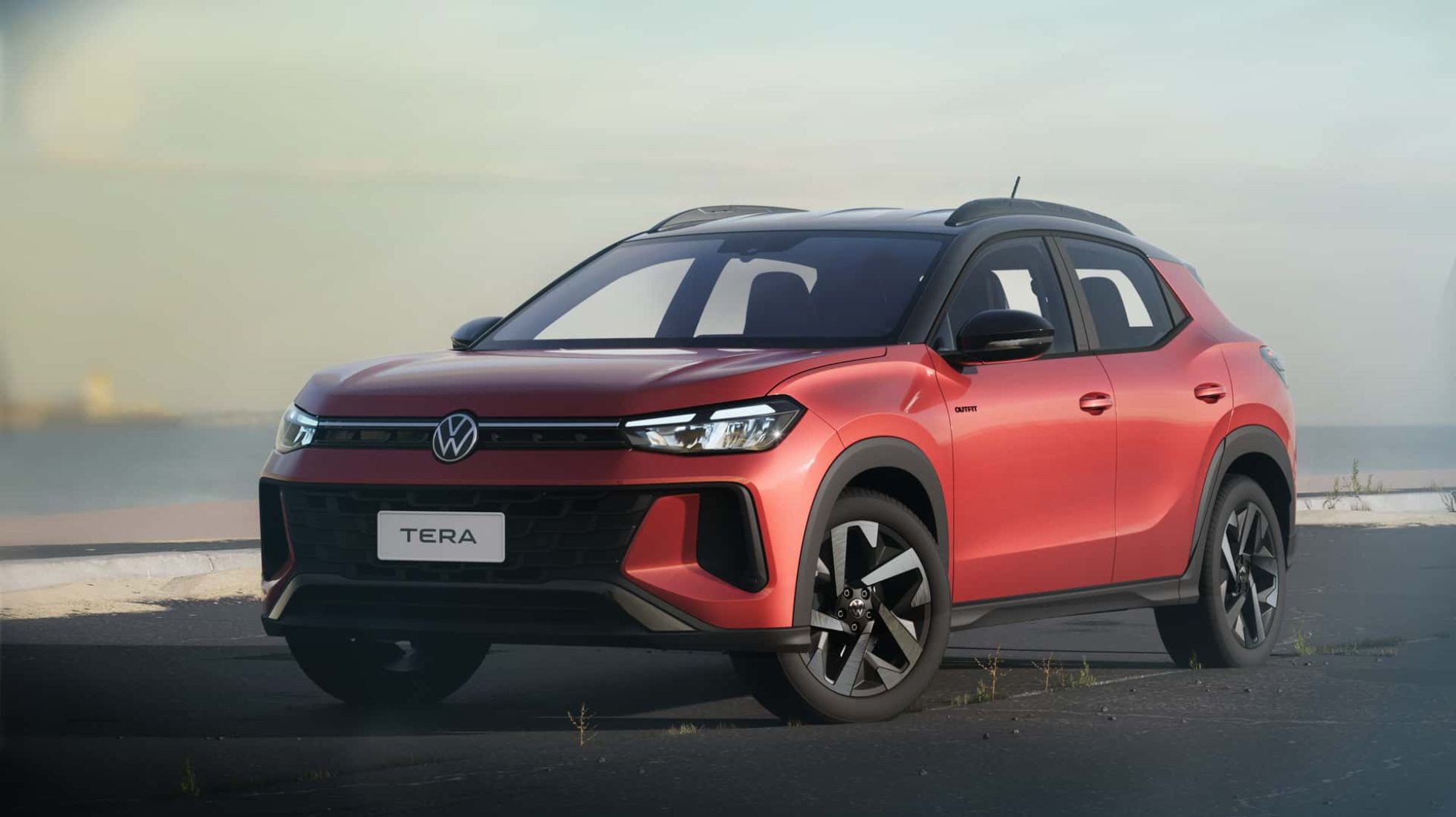
Volkswagen Group Africa is investing R4 billion in its Kariega plant to manufacture a new model, the Tengo, marking a major boost for South Africa’s automotive sector and job market.
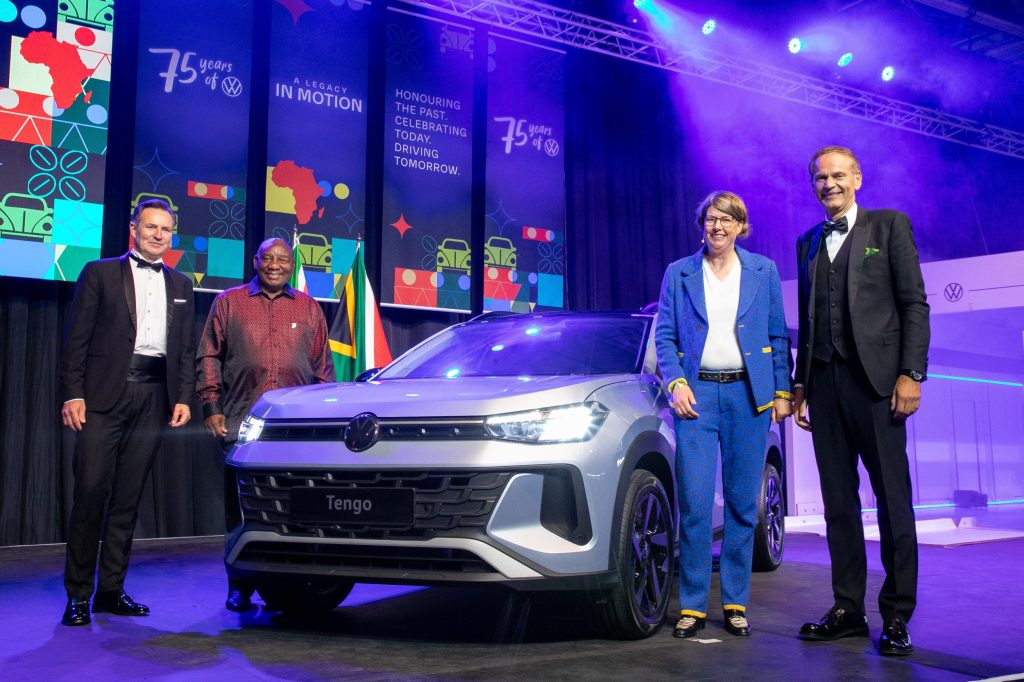
President Cyril Ramaphosa announced the investment during Volkswagen’s 75th anniversary celebration at the Eastern Cape facility on Monday evening, calling it proof that international manufacturers still see value in South Africa’s skilled workforce and manufacturing infrastructure.
The Tengo will become the third vehicle rolling off the Kariega production line, joining the Polo and Polo Vivo models already manufactured at the plant.
“This investment shows confidence in our workers, our manufacturing capability and South Africa as a place worth doing business,” Ramaphosa said at the event.
The president warned against taking such investments for granted, particularly as countries worldwide compete fiercely to attract automotive manufacturers.
Automotive sector employs over half a million people
South Africa’s automotive industry directly employs more than 115 000 manufacturing workers, with total jobs across the value chain exceeding 500 000 positions.
The sector contributes just over 5% to the country’s gross domestic product and ships vehicles to 155 export destinations, including markets across Europe, the United Kingdom, United States, Africa and other regions.
Last year alone, the Kariega plant produced more than 156 000 vehicles, with almost 120 000 units exported to international buyers.
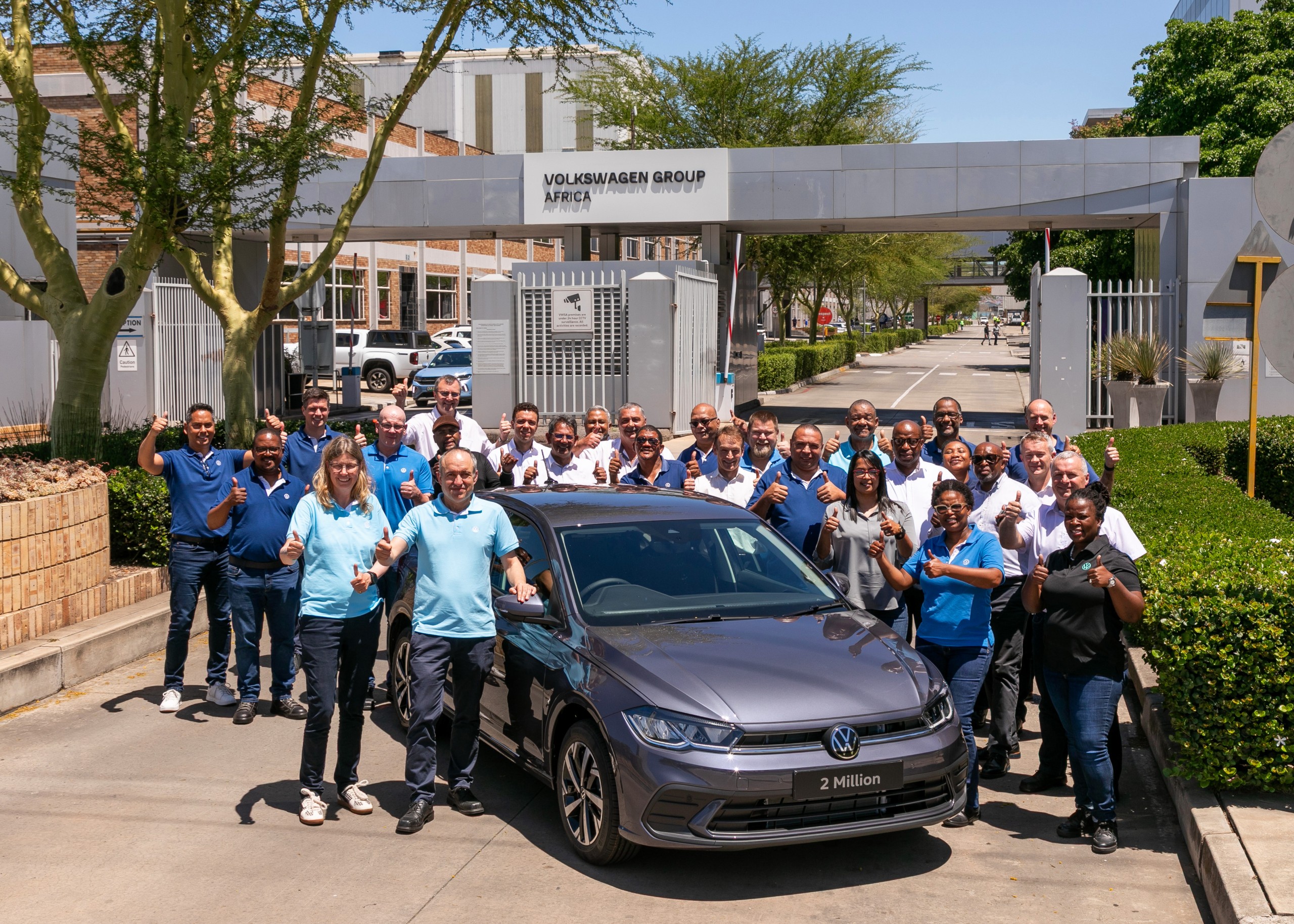
Since the first Beetle left the production line in what was then Uitenhage on 31 August 1951, the plant has manufactured close to five million vehicles. It remains the oldest Volkswagen manufacturing facility outside Europe and the only plant worldwide producing the Polo for export to Europe and Asia-Pacific.
Transition to electric vehicles presents challenge and opportunity
Ramaphosa acknowledged the automotive industry faces massive change as manufacturers shift towards battery electric vehicles, hybrids and other new-energy technologies.
South Africa’s established manufacturing base, skilled workers and significant reserves of critical minerals needed for future technologies position the country well for this transition, he said.
Government is currently reviewing the South African Automotive Masterplan and automotive policy framework to ensure they match changing industry conditions.
“Detailed discussions are underway among all partners, including the industry, unions and government, to develop a common programme to grow and sustain the automotive sector,” the president said.
Ramaphosa stressed the need for a sustainable plan addressing constraints, unlocking opportunities, building skills and creating policy certainty to enhance South Africa’s competitiveness.
Focus on local manufacturing and black industrialists
Government aims to increase vehicle production numbers, ensure more locally-sold vehicles are manufactured domestically and create more employment opportunities.
The president called for greater participation by black industrialists in the automotive value chain and urged South African companies to develop capabilities in batteries, electronics and other technologies shaping future vehicles.
“We must not only assemble the vehicles of the future. We must increasingly manufacture the components, process the materials and develop the skills and technologies that go into them,” he said.
Ramaphosa also highlighted the African Continental Free Trade Area as an opportunity to build larger markets, develop regional value chains and expand automotive manufacturing across the continent.
ALSO READ: Eastern Cape jobs in jeopardy amid VW Kariega plant closure concerns
Company invests R800m in community development
Beyond manufacturing, Volkswagen has invested more than R800 million in social programmes benefiting communities around the Kariega plant.
Notable initiatives include establishing the LEAP 9 Maths and Science School in KwaNobuhle and partnering with the Department of Basic Education on early childhood development and mathematics and science competencies.
The company also channels R40 million annually into the Youth Employment Service, giving unemployed young people their first work experience.
“The future of advanced manufacturing begins long before a young person enters a factory. It begins in our schools, in the teaching of mathematics and science,” Ramaphosa said.
He noted that during apartheid, Volkswagen became the first automotive company to recognise black trade unions and employ black artisans.
Ramaphosa concluded by emphasizing the importance of partnership between government, business and labour as the global automotive industry undergoes its historic transition to new-energy vehicles.
ALSO READ: Automotive policy in focus as VW marks 75 years in SA


You must be logged in to post a comment.