

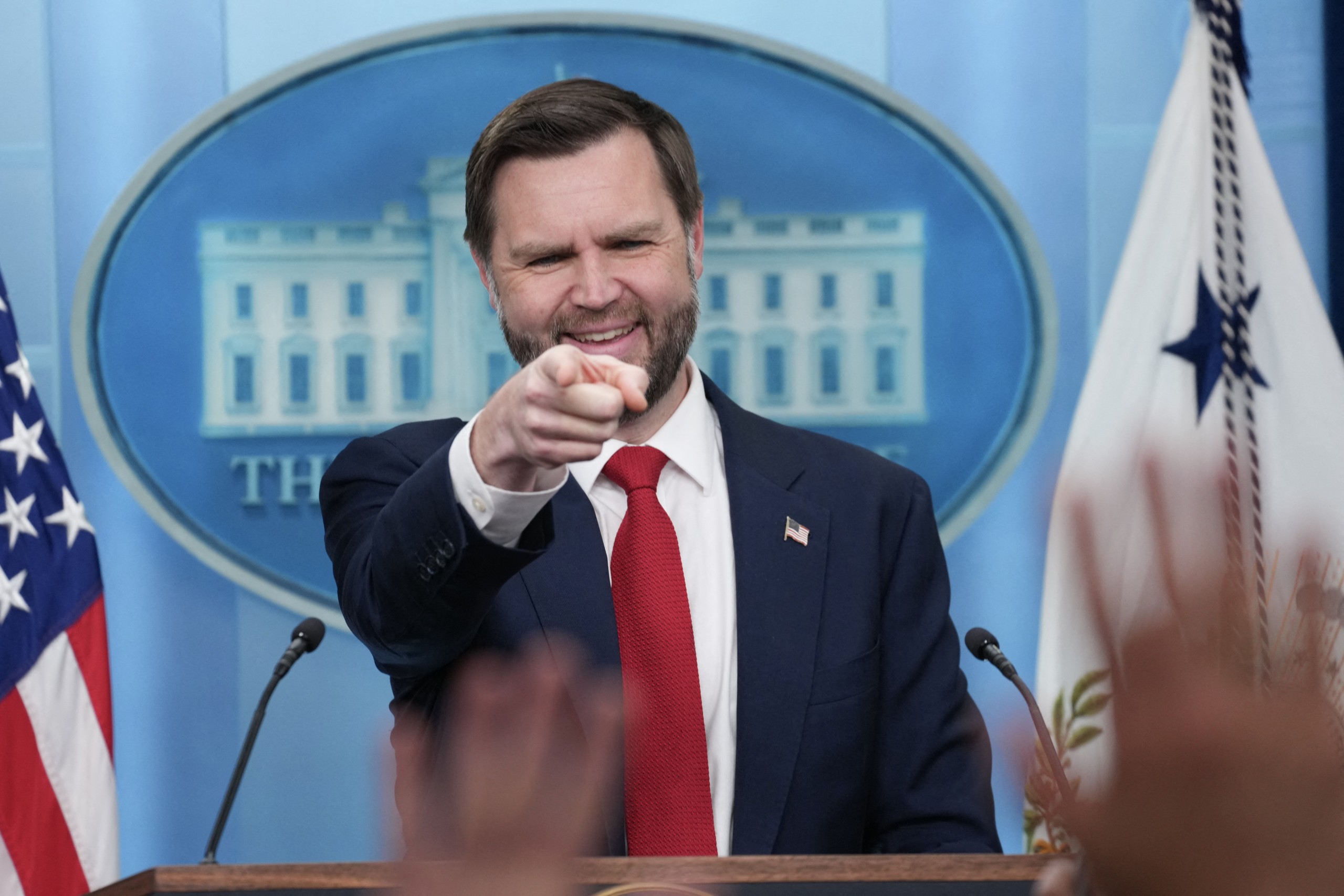
GENEVA – Planned follow-up talks to the recent Middle East peace deal have been postponed, Switzerland announced on Friday, hours after US Vice President JD Vance’s scheduled departure for the Alpine country was cancelled.
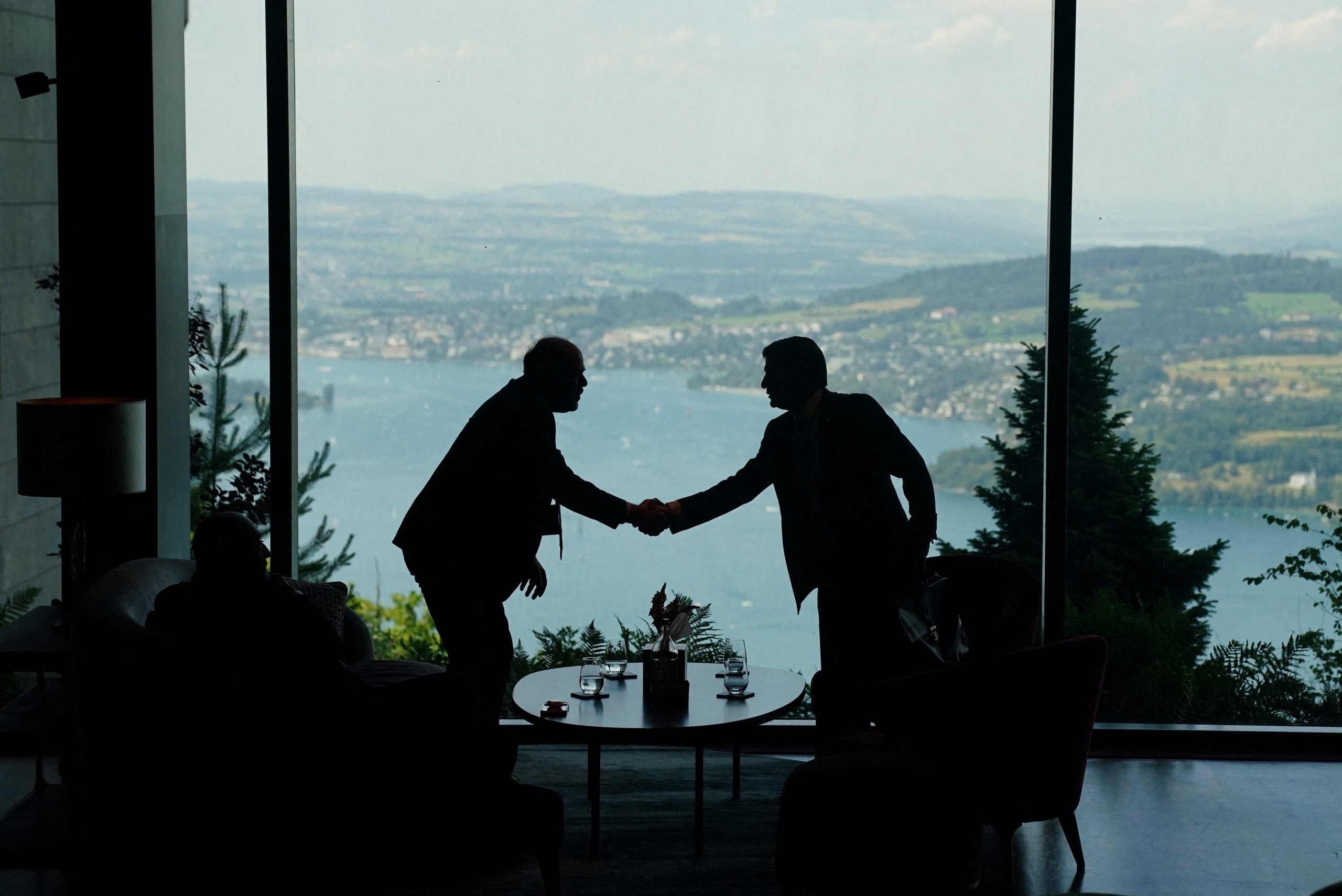
The Swiss foreign ministry confirmed the delay, stating that discussions between the United States, Iran, Qatar and Pakistan would not proceed as planned. “Switzerland remains ready to facilitate these talks. The relevant preparatory work at Burgenstock is continuing,” the ministry said, without providing a new date.
The postponement follows Thursday’s White House announcement that Vance’s trip had been scrapped. A spokesperson said the “logistics of these negotiations have never been simple or predictable”, adding that Washington looked forward to beginning technical talks as soon as possible.
In Iran, the Tasnim news agency reported that “nothing has been confirmed” regarding the Iranian delegation’s travel to Switzerland.
The accord, signed separately this week by US President Donald Trump and Iranian President Masoud Pezeshkian, aims to end the conflict in Iran, reopen the Strait of Hormuz and establish a 60-day period for discussions on wider issues, including Tehran’s nuclear programme.
Supreme leader approves with reservations
Iran’s supreme leader Ayatollah Mojtaba Khamenei said on Thursday he had approved the agreement despite holding a “different view” on the deal. He took power after his father, long-standing ruler Ali Khamenei, was killed in an airstrike on 28 February, the first day of the war.
“But I issued my permission due to the commitment” made by officials including Pezeshkian to “protect the rights of the Iranian nation”, he said in a written statement.
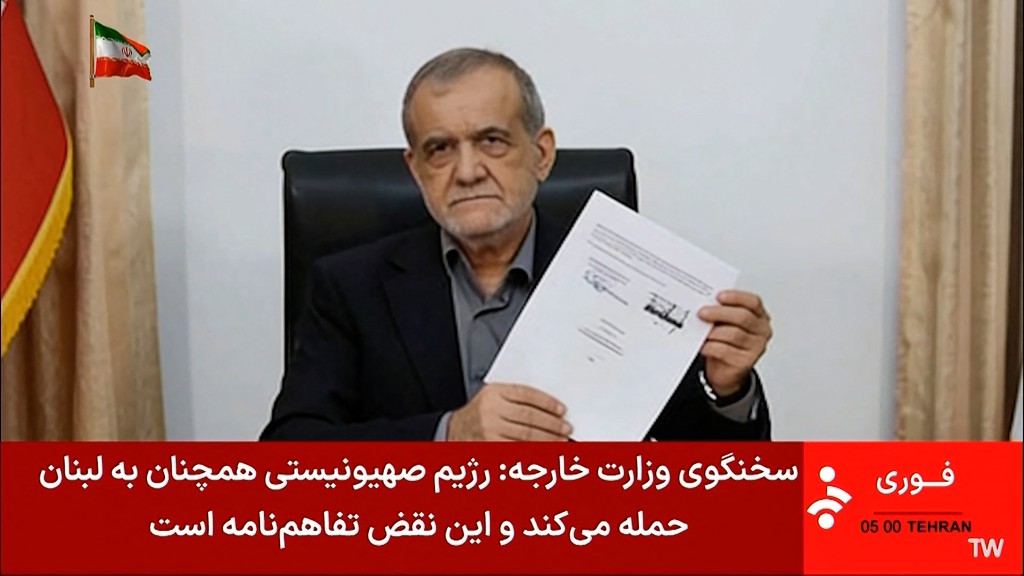
He added that future “face-to-face negotiations” with the United States would not “mean accepting the enemy’s point of view”.
On Friday, Iran’s chief negotiator Mohammad Bagher Ghalibaf warned that Tehran would give a “decisive” response if the agreement was breached.
Fighting persists in Lebanon
Despite the deal’s provisions to halt fighting in Lebanon, Israel announced new strikes against Hezbollah targets in the country’s south on Friday. The Tehran-backed group said its fighters destroyed three Israeli tanks and that clashes were “ongoing”.
Israel has not confirmed if its tanks were hit, but the military said it was striking Hezbollah targets in several areas of southern Lebanon.
Hezbollah drew Lebanon into the Middle East war in March by attacking Israel following the killing of Iran’s supreme leader at the start of the US-Israeli campaign.
ALSO READ: US media slam Trump’s ‘spin job’ over Iran war deal
Strait of Hormuz activity remains limited
American forces on Thursday lifted their naval blockade of Iranian ports, though US warships “will remain in the general area”, the military said.
Activity in the Strait of Hormuz, the strategic bottleneck for energy shipments that Iran blockaded during the conflict, remained muted. Three Saudi oil tankers and a French vessel carrying liquefied natural gas passed through the strait on Thursday, maritime trackers reported.
Iranian state television, citing the Supreme National Security Council, said ships “seeking passage through the Strait of Hormuz must submit their request” to a new government body overseeing the waterway. In line with the deal’s terms, “no fees whatsoever will be collected from applicants for a period of 60 days”.
Economic incentives and domestic criticism
Under the agreement, Washington commits to immediately waive oil sanctions that have crippled Iran’s economy. Once a final agreement is reached on Iran’s nuclear programme, the United States will facilitate the release of a $300 billion reconstruction fund supported by regional nations.
The deal followed five weeks of all-out war until a ceasefire was struck in early April, during which 13 US service members were killed and a significant proportion of US ammunition stockpiles was depleted.
ALSO READ: BREAKING NEWS | US and Iran reach deal to end war, reopen Hormuz
Trump’s decision has unsettled some allies at home. US Senator Bill Cassidy, from Trump’s Republican Party, described it as the “worst foreign policy blunder in decades”.
However, Trump defended his approach, telling Axios that continued military action would have been counterproductive. “The only way I can get tougher is if I go in there for another two or three weeks and continue to bomb the hell out of ’em. Right? But what does that get us? The Strait of Hormuz will not be open,” he said.
“We wouldn’t have oil for months. This is the kind of thing that could cause a worldwide depression.”
Scepticism in Tehran
Some residents of the Iranian capital expressed doubt about the agreement’s durability. Mina (54), a psychologist from Tehran, said: “I have no hope that this is a lasting agreement. Maybe after the 60 days they start fighting again.”
ALSO READ: Trump and Iran’s president sign deal to end Middle East war


You must be logged in to post a comment.