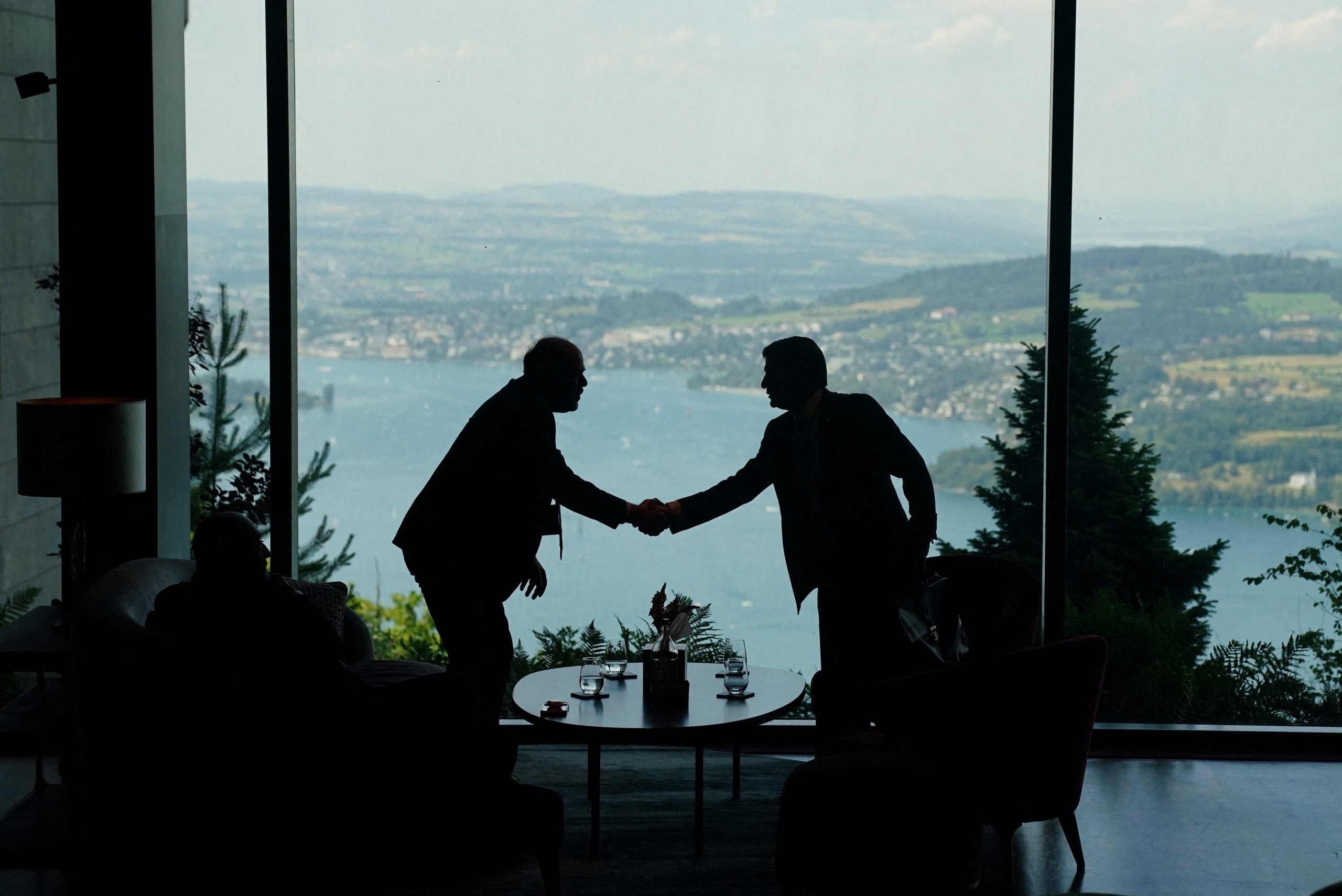
BURGENSTOCK – Switzerland — Iran and the United States concluded their first round of high-level negotiations on Monday with a commitment to reach a final peace agreement within 60 days, sending oil prices lower as markets welcomed the diplomatic breakthrough.
Iranian Foreign Minister Abbas Araghchi hailed “major progress” at the talks held at Switzerland’s Burgenstock resort, crediting “tireless Pakistani and Qatari mediation” for advancing discussions aimed at ending the Middle East conflict.
Oil prices fell in early trading on Monday as optimism grew over the peace negotiations. Both main oil contracts declined after mediators Pakistan and Qatar announced the talks had proceeded “in a positive and constructive atmosphere”, easing fears that had sent energy costs soaring in recent months.
The drop in crude prices offered relief to global markets that had been rattled by the conflict, which threatened vital energy supplies and stoked inflation concerns worldwide.
Technical talks to continue
The High Level Committee established by Tehran and Washington has “agreed upon a roadmap towards reaching a final deal within 60 days, laying the foundation for the immediate commencement of further technical talks”, according to a joint statement from the mediating nations.
Technical discussions will continue for the remainder of the week at the Swiss resort, addressing all outstanding issues between the two countries.
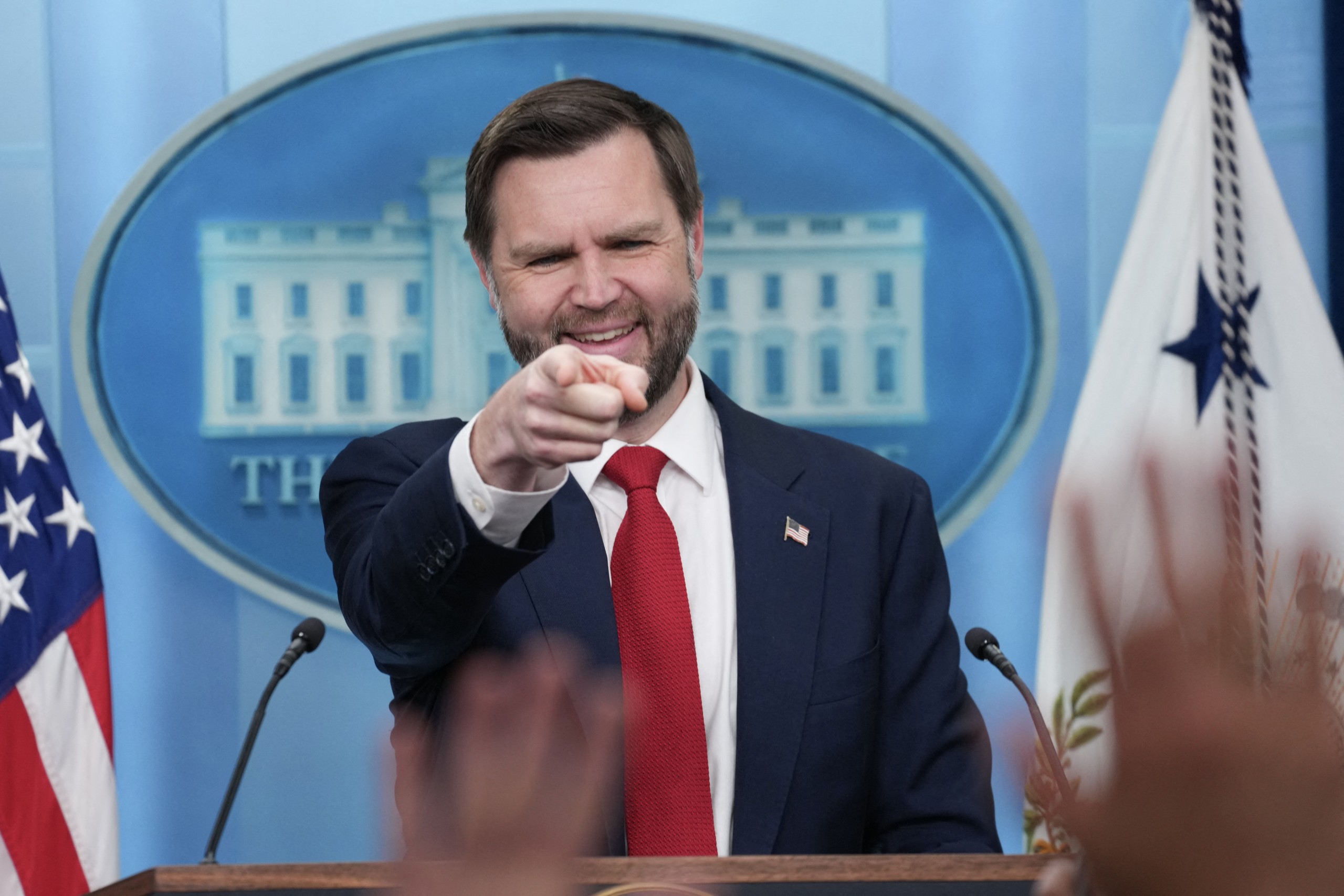
The negotiations got underway on Sunday with teams led by US Vice President JD Vance and Iran’s Mohammad Bagher Ghalibaf, after a meeting planned for Friday was cancelled due to fighting between Israel and Hezbollah in Lebanon.
Lebanon de-confliction mechanism
A key outcome of the first round was agreement on a “de-confliction cell” involving the United States, Iran, Lebanon and the mediators to ensure military operations cease in Lebanon.
The country was drawn into the wider Middle East war in early March when the Iran-backed Hezbollah fired rockets at Israel in retaliation for the killing of Iran’s supreme leader in US-Israeli strikes. Recent fighting in Lebanon had threatened to derail peace efforts.
Araghchi described the Lebanon de-confliction cell as the “first real test” of the agreement in a post on X on Monday.
Hormuz shipping corridor reopens
Tehran and Washington established a “communication line” to “avoid incidents and miscommunication with the aim of safe passage for commercial vessels through the Strait of Hormuz“, the mediators’ statement confirmed.
The communication mechanism applies for the 60-day period outlined in a memorandum of understanding signed earlier, in which Iran pledged “best efforts” to ensure commercial ships can transit safely through the strategic waterway.
About a fifth of the world’s oil and gas passes through the Strait of Hormuz. Iran had announced on Saturday it was closing the strait again over Israeli attacks in Lebanon, heightening market anxiety before the talks delivered a breakthrough.
ALSO READ: US-Iran talks postponed as peace deal remains fragile
Sanctions relief begins
Araghchi stated on X that “oil and petrochemical exports are waived, blockade lifted, some frozen assets released, and major reconstruction and development plan launched for Iran”.
The Pakistan-Qatar joint statement did not specifically mention unfrozen Iranian assets, though the earlier memorandum of understanding commits the United States to “terminate all types of sanctions against” Iran and “make fully available for use the frozen or restricted funds and assets”.
The White House had not responded to requests for comment on Araghchi’s claims at the time of publication. The United States government has yet to issue an official statement on the talks.
Mediators pledge continued support
Pakistan and Qatar have emerged as crucial diplomatic players in brokering the Iran-US agreement, with both nations issuing the joint statement marking the conclusion of the first round.
“The mediating parties will continue to do their utmost to ensure that the negotiations continue to be conducted in a constructive atmosphere with the aim of reaching a final deal,” the statement said.
Markets remained in buoyant mood as traders welcomed news that the two adversaries had moved towards ending their conflict. Stock markets advanced in early trading alongside the decline in oil prices, reflecting investor optimism about reduced geopolitical risk.
The talks aim to address Tehran’s nuclear programme and ensure the reopening of the Strait of Hormuz, with technical teams working through the week on detailed implementation plans.
ALSO READ: Pentagon requests $80 billion from Congress to cover Iran war costs