

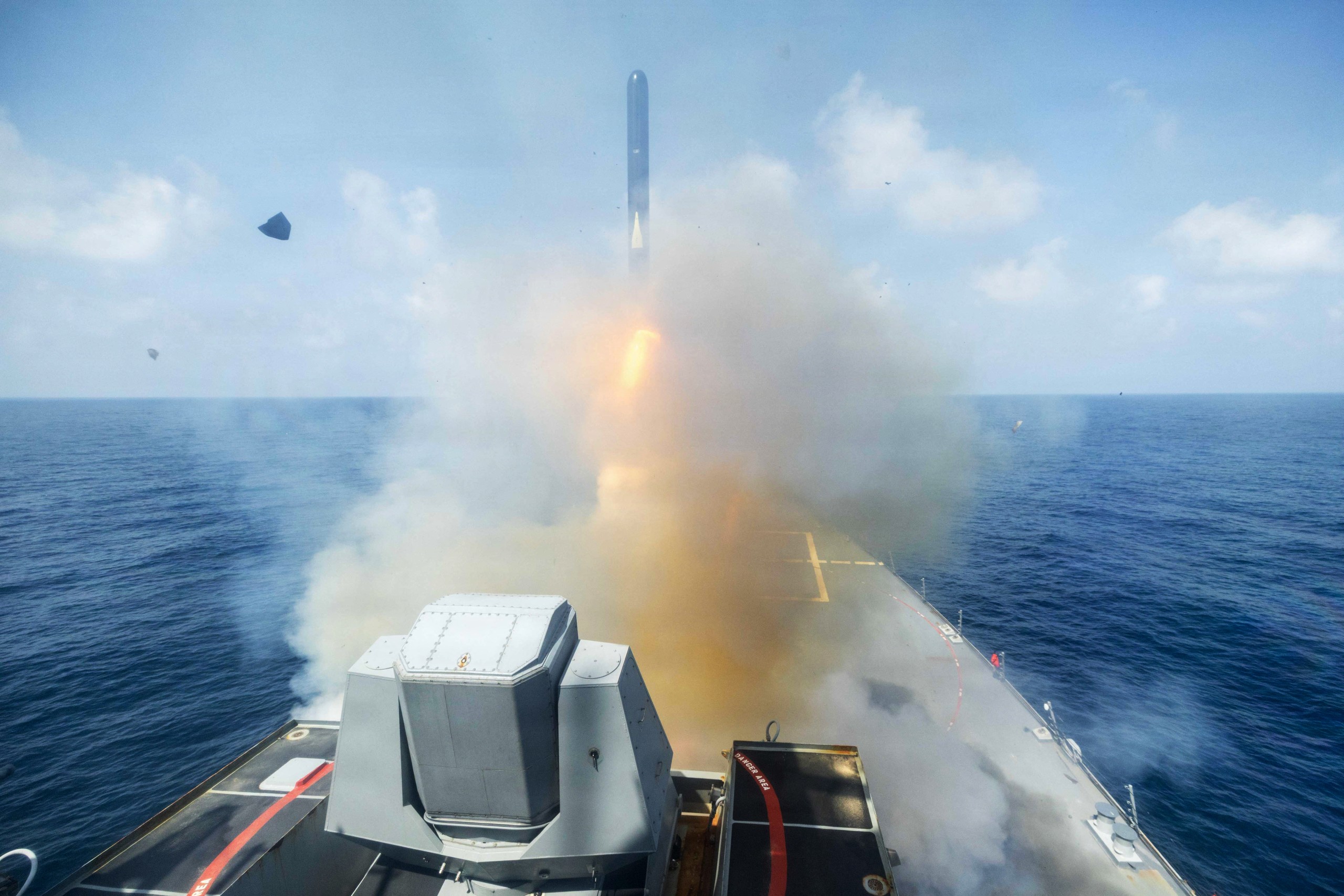
The United States military has spent nearly $29 billion on the war with Iran, Pentagon officials told lawmakers on Tuesday, as President Donald Trump faces growing pressure over the conflict’s mounting costs and impact on American military readiness.
The figure represents a $4 billion increase from the estimate Defence Secretary Pete Hegseth gave Congress just two weeks ago, raising fresh questions about the true financial burden of the conflict.
Hegseth and General Dan Caine, chairman of the Joint Chiefs of Staff, appeared before the House Appropriations Committee to defend a $1.5 trillion Pentagon budget request for 2027. During the hearing, finance chief Jules Hurst III revealed the updated war costs.
“At the time of testimony… it was $25 billion dollars,” Hurst said, referring to Hegseth’s 29 April estimate. “But the joint staff team and the comptroller team are constantly looking at that estimate, and so now we think it’s closer to 29.”
The increase stems from updated repair and replacement costs for damaged equipment, as well as broader operational expenses, he explained.
When pressed about when Congress would receive a complete accounting, Hegseth said the administration would request “whatever we think we need” separately from the main Pentagon budget, though he offered no timeline for the supplemental funding request.
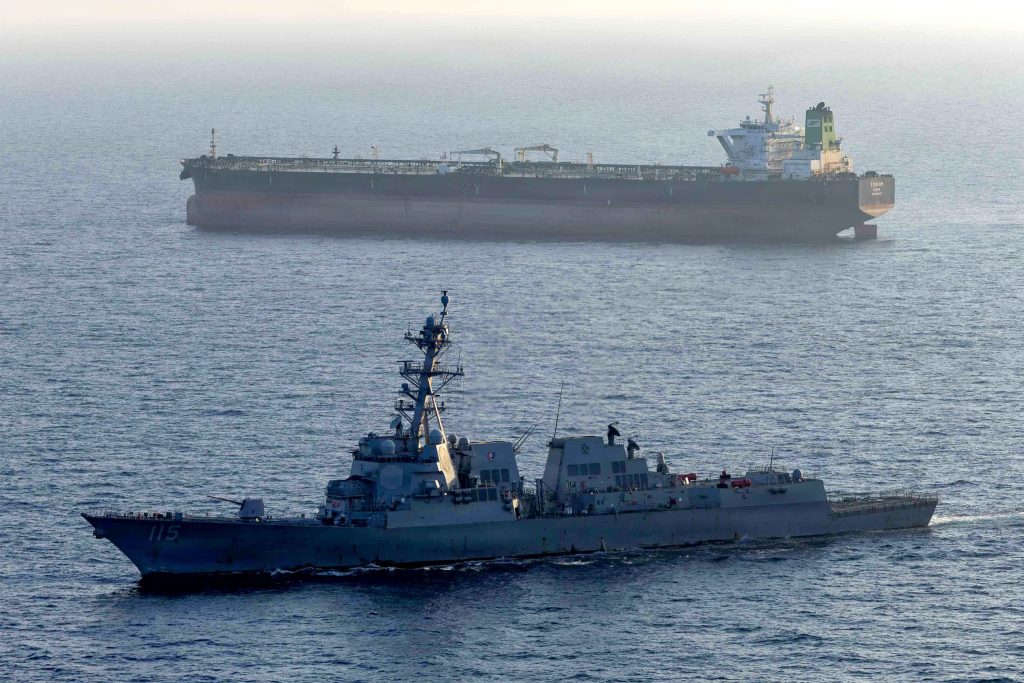
The testimony came as the shaky US-Iran ceasefire appeared increasingly fragile. Trump warned on Monday that the truce was on “life support” after rejecting Tehran’s latest peace proposal.
Democrats demand transparency
Opposition lawmakers used the hearing to challenge the administration over both the ballooning costs and what they described as a troubling lack of clarity about US objectives.
“The question must be answered at the end – what have we accomplished and at what cost?” asked Rosa DeLauro, the top Democrat on the House Appropriations Committee.
Fellow Democrat Betty McCollum accused the Pentagon of a “consistent lack of transparency” and demanded greater clarity about the administration’s long-term strategy before Congress approves additional funding.
The war has intensified concerns about rapidly depleting US weapons stockpiles after months of heavy missile and air-defence operations across the Middle East.
Hegseth dismissed warnings that the conflict had dangerously drained American munitions reserves.
“The munitions issue has been foolishly and unhelpfully overstated,” he said. “We know exactly what we have. We have plenty of what we need.”
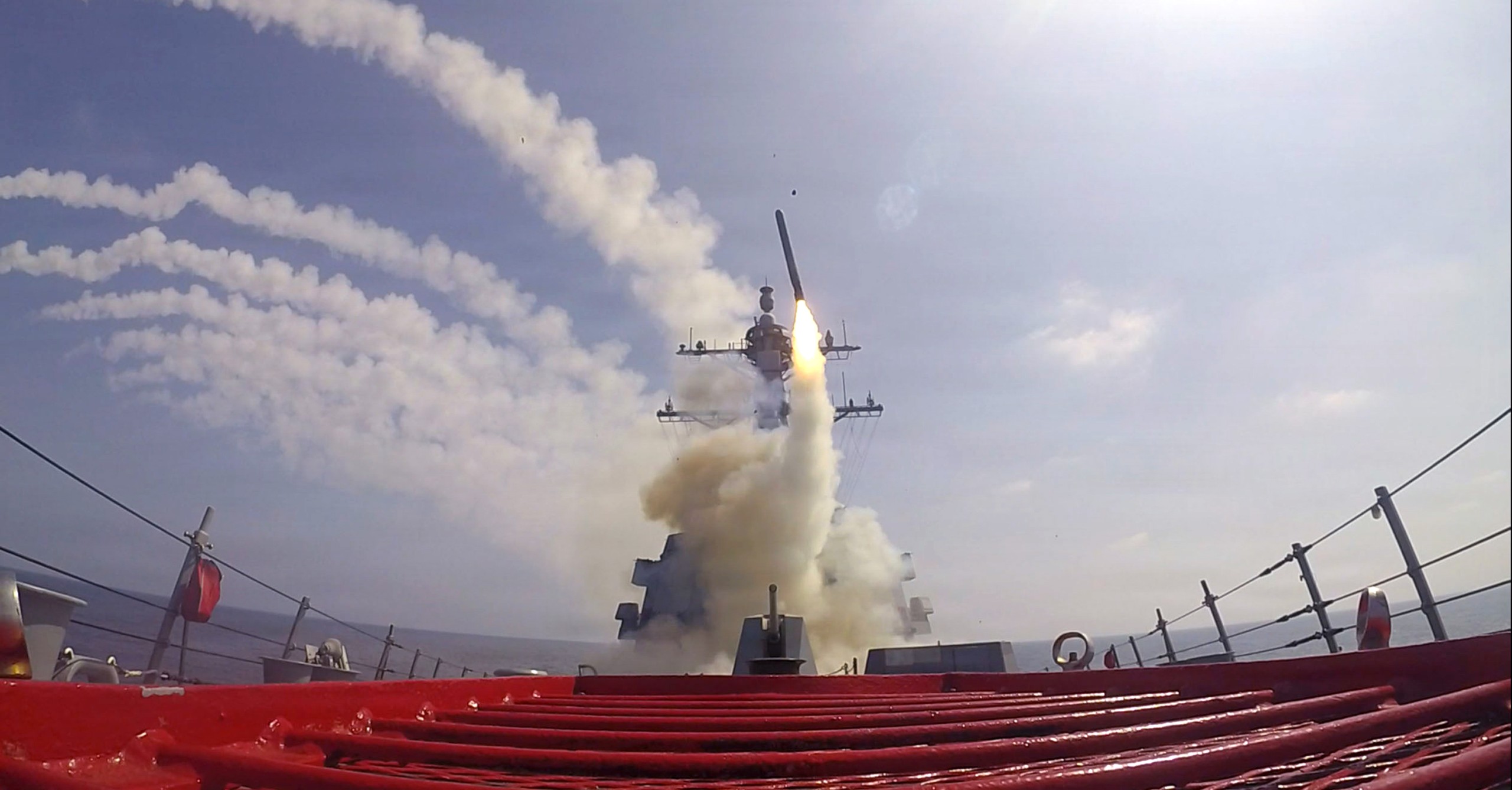
However, Democratic Senator Mark Kelly warned over the weekend that inventories of Tomahawk missiles, Patriot interceptors and other advanced systems had been severely drawn down. He said replenishing these stocks could take years, potentially weakening US readiness in any future confrontation with China.
ALSO READ: No end to war in sight as Iran and US reject talks terms
Constitutional questions persist
The hearings marked Hegseth’s first appearance on Capitol Hill since the White House formally notified Congress that hostilities launched by the United States and Israel against Iran on 28 February had “terminated.”
Democrats, backed by two Republicans, have repeatedly accused Trump of waging war without proper congressional authorisation.
Hegseth and Caine were scheduled to face a second round of questioning before a Senate panel later on Tuesday.
ALSO READ: US Democrats file impeachment articles against Pentagon chief


You must be logged in to post a comment.