

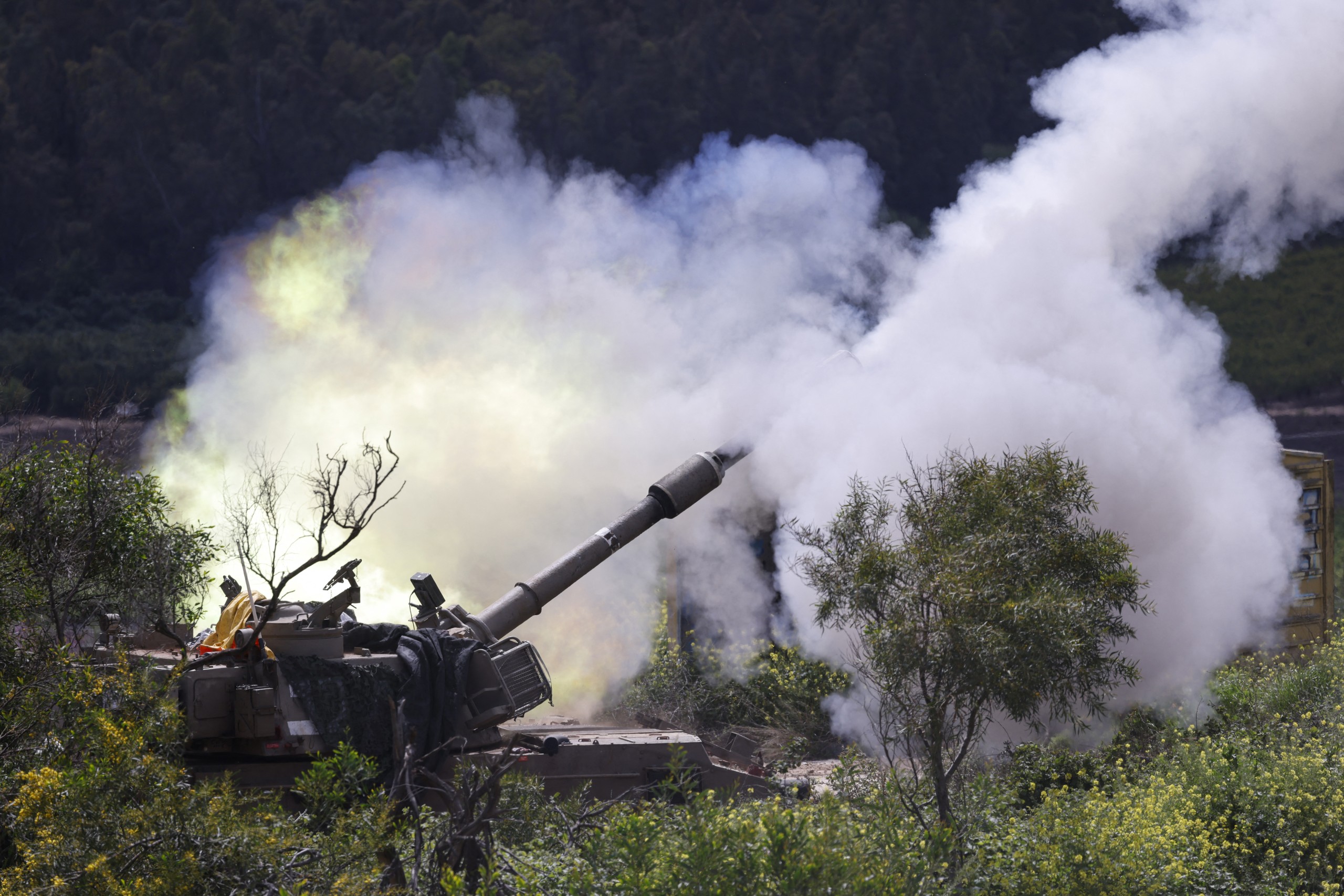
The United States launched fresh attacks against Iran on Thursday, prompting Tehran to retaliate with strikes on American bases across the Gulf, as hopes dimmed for a swift end to the three-month conflict.
The second consecutive day of tit-for-tat strikes sent oil prices climbing and raised fears of further escalation in the strategically vital Gulf region.
US President Donald Trump, who had repeatedly suggested negotiations with Tehran were nearing conclusion, said on Wednesday that Iran keeps “playing us for suckers” and will now “have to pay the price”.
Hours later, US Central Command (CENTCOM) announced American forces began “additional self-defence strikes” at 17:15 on Wednesday Washington time – early Thursday in Iran – in response to what it termed Tehran’s “unwarranted and continued aggression”.
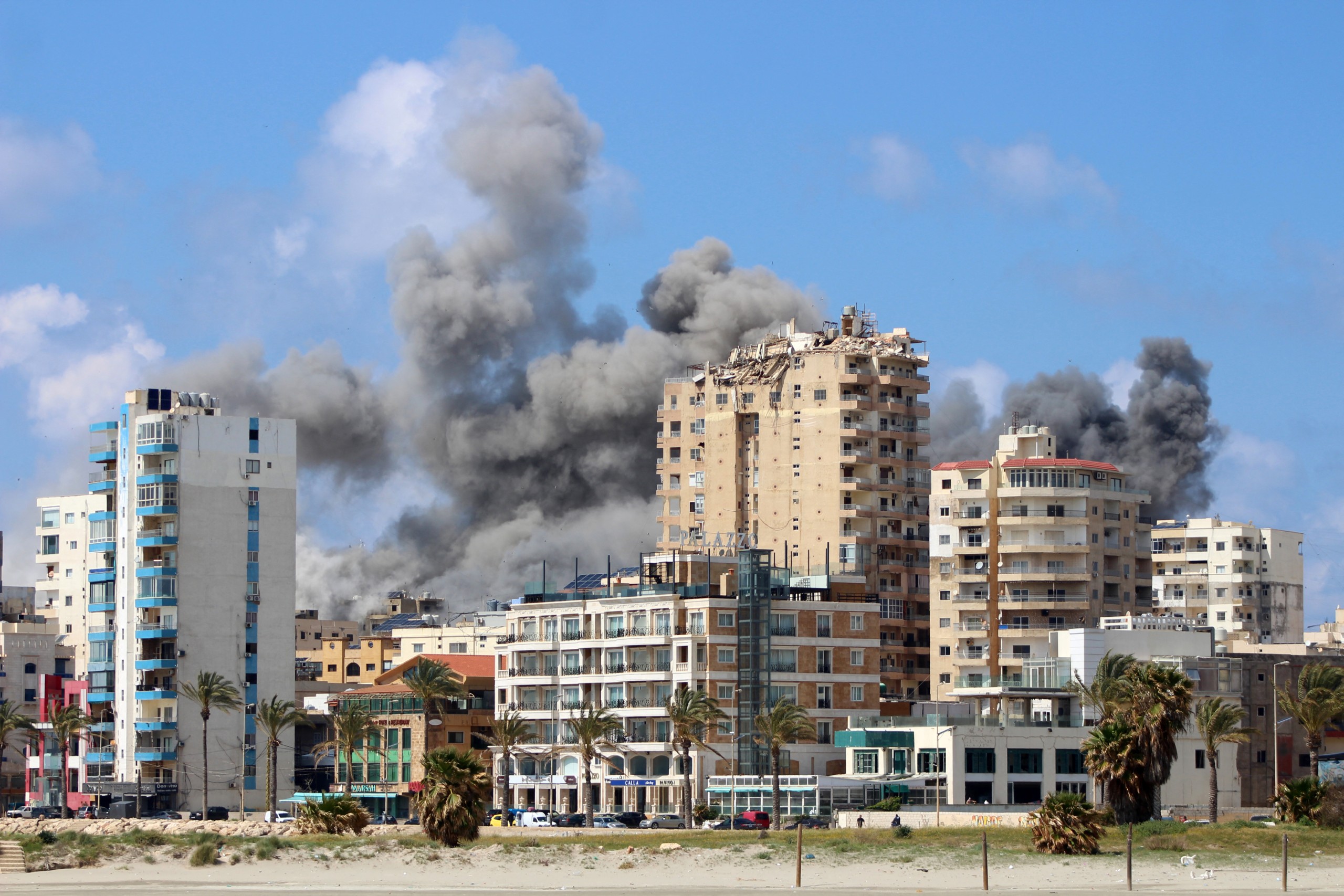
Iranian media reported explosions across the south near the Strait of Hormuz, with blasts heard in Bandar Abbas, Qeshm and Minab. Sources reported hits by “enemy projectiles” in Kargan and Sirik.
CENTCOM later confirmed it had “completed” strikes on “Iranian military surveillance capabilities, communication systems, and air defence sites”. American forces “fired precision munitions on Iranian targets that posed a threat to US forces and international commercial ships transiting regional waters”, the command said.
Iran strikes back
In response, Iran’s Islamic Revolutionary Guard Corps said they struck US targets on bases in Kuwait and Bahrain, and also “hit and destroyed Sheikh Isa air bases”, according to state-run IRNA news agency.
Iranian media reported the army conducted drone strikes targeting communications antennas and radar facilities belonging to the US Fifth Fleet in Bahrain.
An air raid alert was issued in Bahrain, with residents urged to “head to the nearest safe place”, the Gulf nation’s interior ministry said on X.
Kuwait temporarily closed its airspace as its military said air defence systems were working to intercept “hostile aerial targets”.
Strait of Hormuz closure
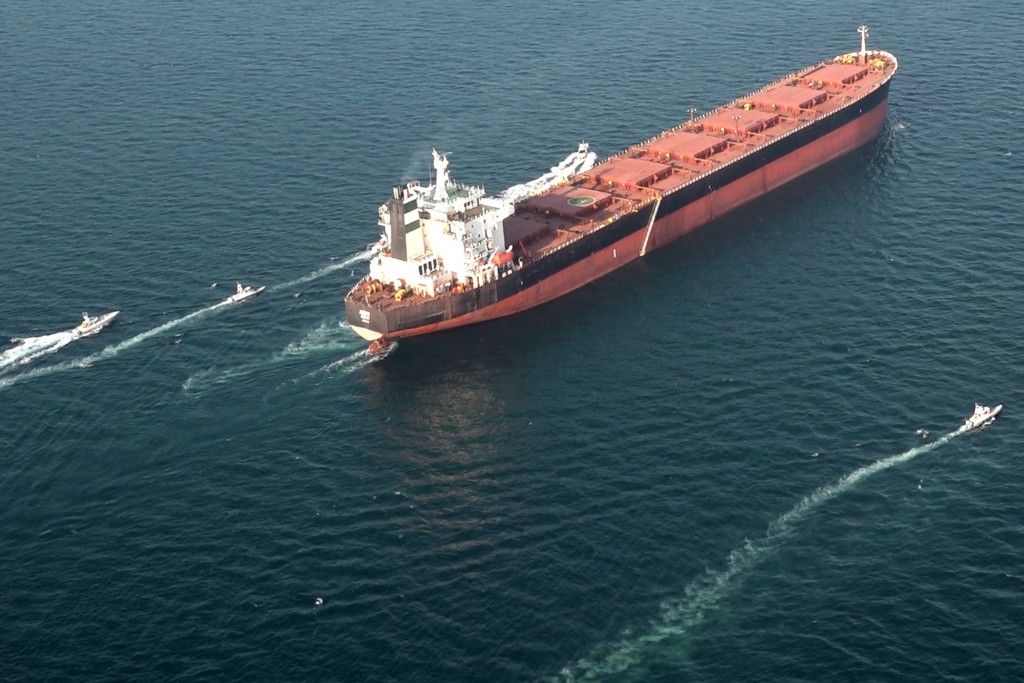
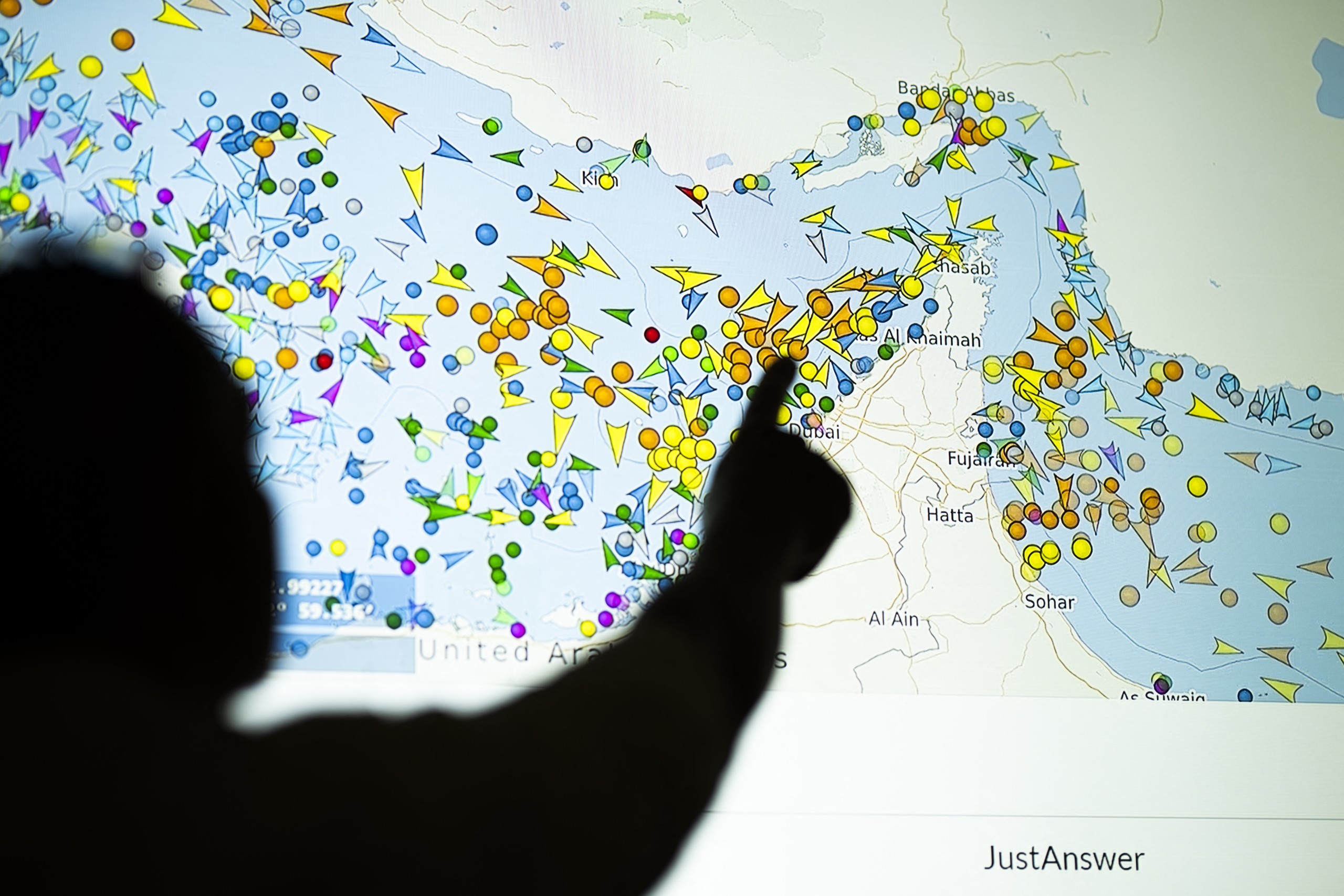
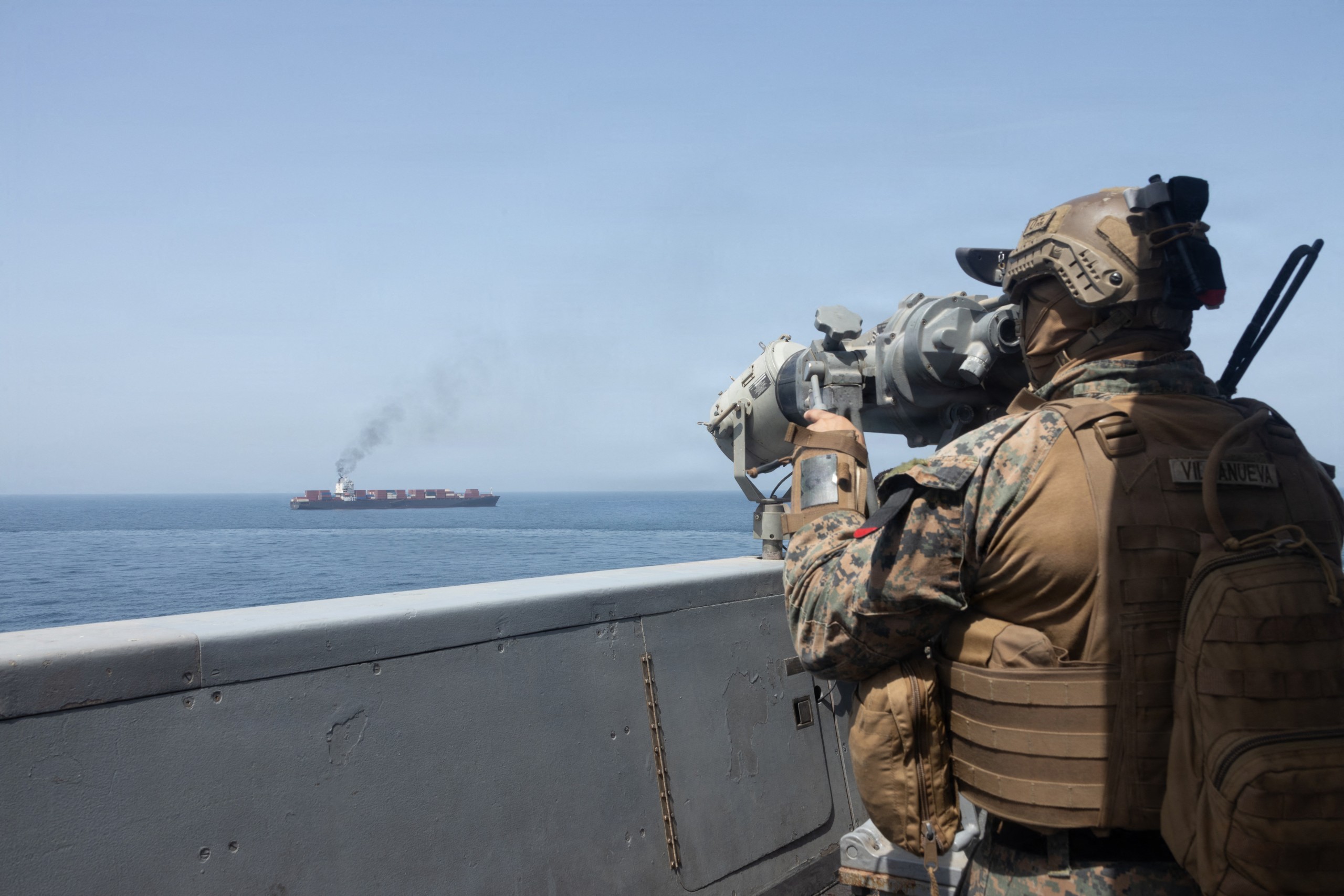
Iran renewed warnings over the Strait of Hormuz, a vital waterway for oil and gas transport which it has essentially closed.
“Are you making the sacred Strait of Hormuz unsafe?! We will make the region hell for you,” Majid Mousavi, the head of the Iranian Guards’ aerospace force, said in a social media post.
The Iranian navy said it had hit two ships attempting to sail through the Strait of Hormuz, state television IRIB and the Mehr agency reported.
Tasnim, another Iranian news agency, quoted the country’s military operational command saying the crucial waterway was “completely closed” and that “any vessel traffic” there would be targeted.
CENTCOM disputed this, stating “commercial ships are continuing to transit in and out of the Strait of Hormuz tonight”.
Trump said on Wednesday the US military had secretly helped 100 million barrels of oil pass through the contested strait.
‘Bomb the hell out of them’
Earlier, American broadcaster Fox News reported Trump said Iranian leaders had called him directly in the White House Situation Room as US bombs began falling. Iran’s Guards quickly denied Tehran had done so, IRNA news agency reported.
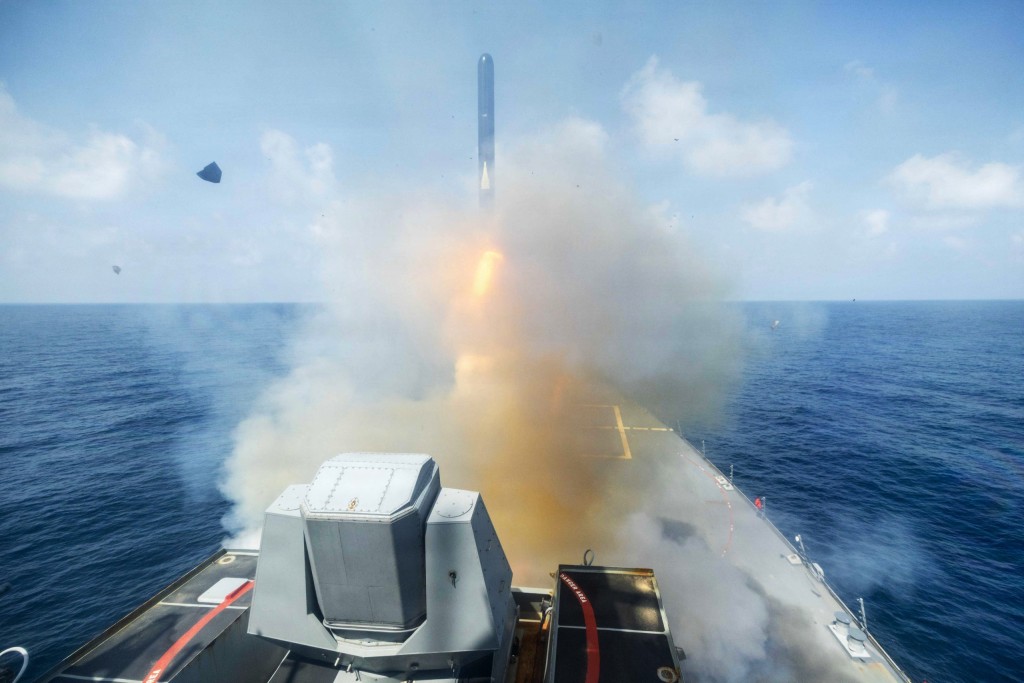
Trump said US forces hit Iran with 49 Tomahawk missiles, with some targets as close as 40 miles (64 kilometres) from Tehran, Fox News reported.
Fox News reporter Trey Yingst, who spoke to Trump, quoted the president as saying that if Iran did not accept US terms for ending the war, “We’ll bomb the S out of them tomorrow night”.
The renewed hostilities followed Trump’s complaint that Tehran’s negotiators were taking too long, having suggested earlier this week that an accord was days away.
“We hit them hard yesterday. We’re going to hit them again hard today,” Trump told reporters on Wednesday morning. “We were really close to a deal, but they keep tapping us along.”
Pentagon chief Pete Hegseth suggested strikes could extend into a third night, saying they would be “strong” and “clear”. He added that if Trump required it, “we’ll negotiate with bombs, and we’re very good at it”.
ALSO READ: US strikes Iran, drawing retaliatory attack on American base
International concern
The escalation drew international calls for restraint on the eve of the World Cup, which the United States is co-hosting and Iran is participating in.
UN chief António Guterres cautioned against a return to “full war”.
Iran’s UN Ambassador Amir Saeid Iravani rejected Trump’s threat, saying “no sustainable deal can be reached through threats, intimidation, or the use of force”.
Diplomacy has not collapsed entirely, with Qatari negotiators travelling to Tehran “to meet with the Iranians in an effort to bridge the remaining gaps”, a diplomat with knowledge of the situation said.
Economic impact
Asian stocks tracked losses in New York, while oil prices jumped as much as 2% on Thursday, extending similar gains the day before.
The war began in February with US-Israeli strikes on Iran, shaking the geopolitical balance in the Middle East and roiling global markets before a ceasefire took effect on 8 April.
Iran has insisted that any deal to end the war must include a truce in Lebanon, drawn into the conflict when Iran-backed Hezbollah fired rockets at Israel on 2 March.
ALSO READ: Trump warns Iran will ‘pay the price’ after Middle East military exchanges


You must be logged in to post a comment.