

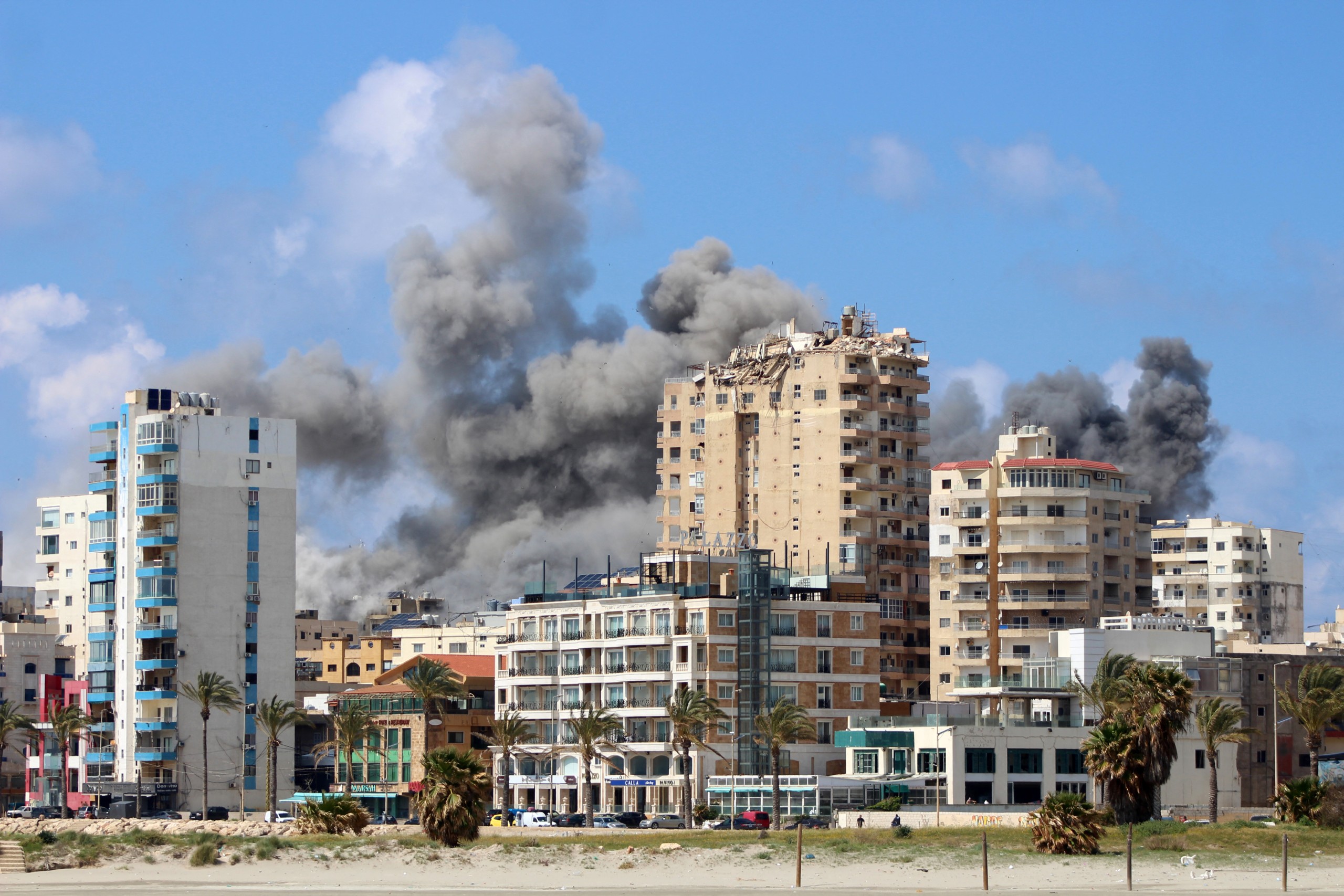
The United States and Iran traded attacks on Friday in the biggest escalation since the two countries returned to outright war, with Tehran targeting American assets across the Middle East.
A month after they agreed a memorandum of understanding aimed at ending the conflict that began in February, both sides have intensified fighting with strikes on targets around the region.
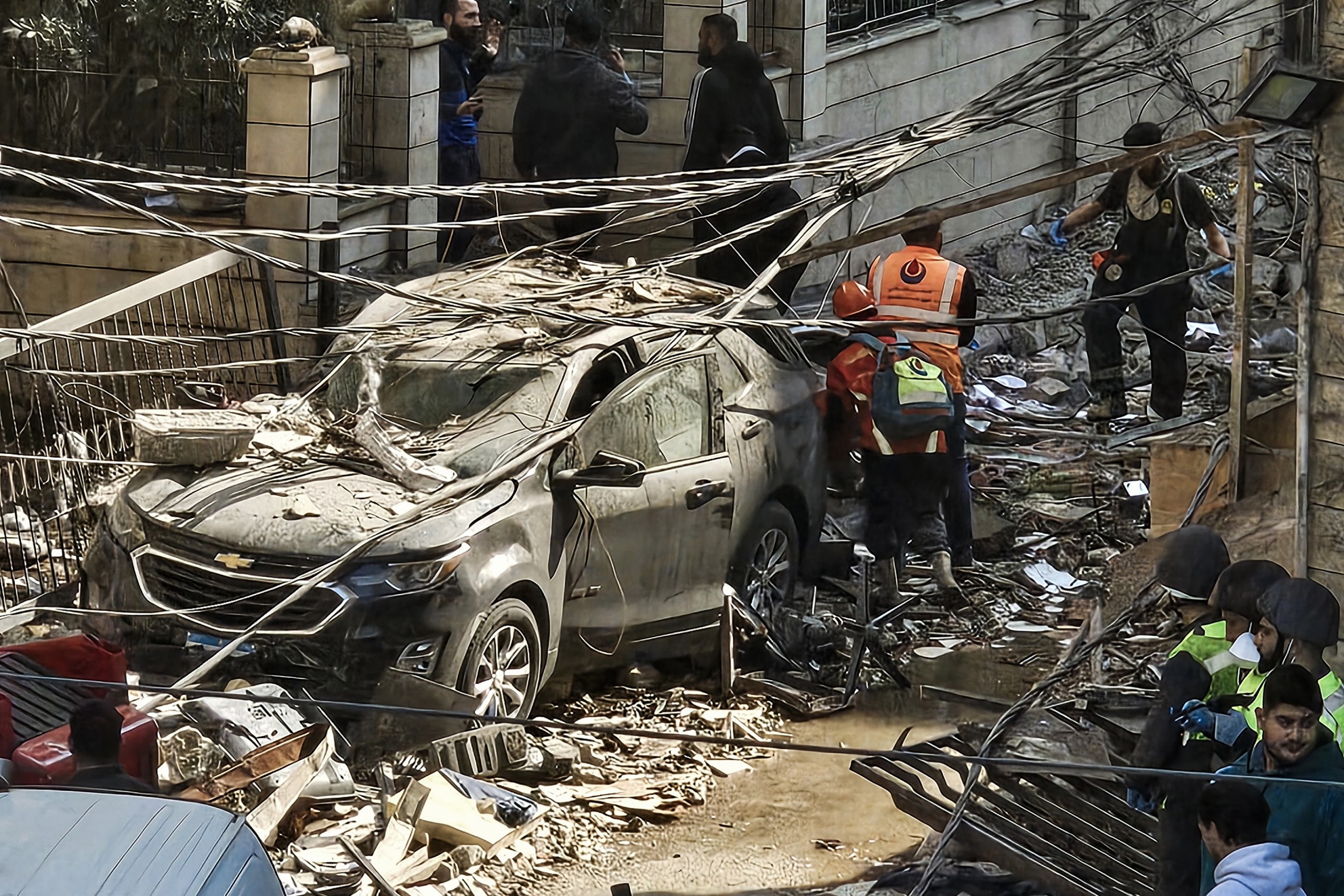
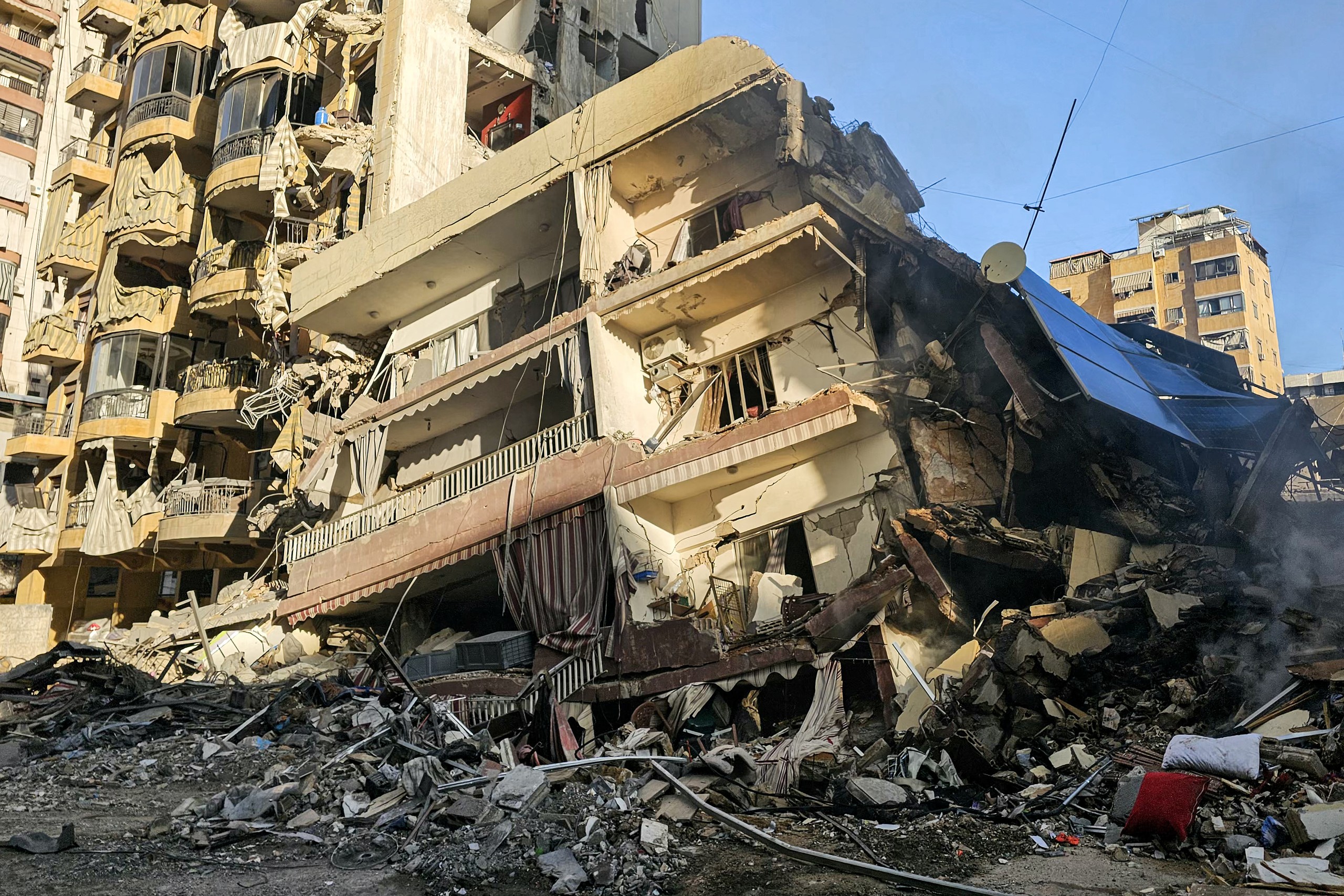
Iran on Friday accused US forces of hitting civilian infrastructure including an airport, a railway station and two bridges. State media reported at least eight people dead and 20 injured in overnight attacks.
The strikes signalled an apparent expansion of American attacks with a focus on Iranian infrastructure, but there was no immediate comment from US officials.
Infrastructure under fire
Iran had previously threatened to retaliate against any infrastructure attacks, and on Friday launched strikes across the region in what appeared to be the largest exchange of fire since the deal was signed last month.
“I officially declare that if the Americans strike the infrastructure of the Islamic republic, then all infrastructure across the region will become legitimate targets for Iran,” Iranian state TV quoted a senior armed forces spokesperson as saying late Thursday.
Iran’s Revolutionary Guards later said they had attacked two US radar sites in the Gulf sultanate of Oman as well as Al-Tanf military base in Syria, which US forces said they withdrew from earlier this year.
Jordan’s military said it shot down three Iranian missiles, reporting no casualties, while Kurdish forces in Iraq said the US-led coalition there shot down several drones over Erbil.
Strikes in Iraq’s Kurdistan region also killed eight members of an Iranian Kurdish armed opposition group, the exiled party said, blaming the attack on Iran.
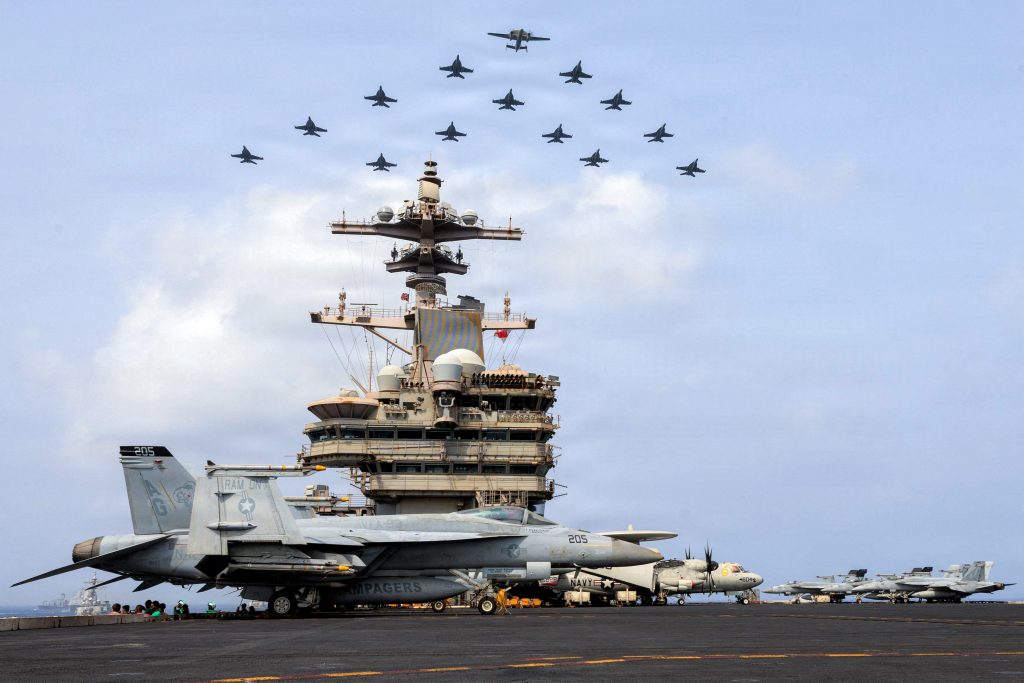
Regional allies targeted
A battle over the strategic Strait of Hormuz has rekindled the war, with Tehran and Washington trading fire for six days running.
Iran’s health ministry said Friday that at least 38 people had been killed and more than 400 injured in the country since fighting resumed.
Tehran claims control over Hormuz, which is a key shipping route for the global oil and gas trade, but it was open for free passage before the war.
As Iran stepped up its strikes, allies of the US in the Gulf reported further attacks on Friday.
Qatar and Kuwait said they were responding to missile attacks, with journalists in the Qatari capital Doha hearing several blasts.
In Bahrain, Tehran targeted US helicopters and planes at an air base “in response to the enemy’s hostile action in targeting urban infrastructure and innocent people”, Iranian state media reported.
The island Gulf nation urged citizens to take shelter and said a siren had been sounded.
Diplomatic push for ceasefire
Mediators have attempted to bring both sides back to the negotiating table.
China and Pakistan’s foreign ministers called Friday for the US and Iran to stop fighting and resume negotiations, according to a statement following a meeting in Shanghai.
As part of the wider escalation, the United States has also reimposed its blockade of Iran’s ports.
A senior Iranian military spokesman called for the US to withdraw from the region, saying “we will never back down over the Strait of Hormuz”, state TV reported.
Attacks on ships in the waterway have continued, with the UK Maritime Trade Operations agency on Friday saying a tanker was struck by a projectile off the coast of Oman overnight.
ALSO READ: Trump says US ‘taking over’ Hormuz as fighting with Iran flares
‘Hands are shaking’
The latest attacks came a day after Iran’s Revolutionary Guards said they struck a US airbase in Jordan with ballistic missiles in response to what they described as an American attack near a children’s cancer hospital close to Ahvaz in Iran’s southwest.
Hani (34), a teacher from Ahvaz, said the strikes were “very intense”.
“My hands are shaking. There were at least 11, 12 explosions. My ears are exploding,” he said.
Iran’s top negotiator Mohammad Bagher Ghalibaf has warned that any deal to end the war “only has meaning when its clauses are valid and being implemented”.
White House Press Secretary Karoline Leavitt told reporters on Thursday that Trump would hold Iran “accountable” for going back on its word, but said “he is always open to diplomacy at the very same time”.
Trump previously threatened to hit Iranian power plants and bridges unless Tehran returned to the negotiating table, telling Fox News: “Next week it gets really bad for them.”
On Thursday, a spokesman for Iran’s military headquarters said that if the US followed through on its threats, “all infrastructure in the region” would be “crushed”.
ALSO READ: US and Iran exchange strikes as Gulf conflict escalates over Hormuz Strait


You must be logged in to post a comment.