TOKYO, JAPAN – McDonald’s Japan issued a public apology this week after their latest Pokemon card promotion spiraled into a social media nightmare, complete with massive food waste, angry parents, and opportunistic resellers exploiting the system.
The Pokemon frenzy that went wrong
What started as an innocent Happy Meal promotion on Friday quickly descended into chaos when the Japanese fast-food giant began offering limited-edition Pokemon cards with their children’s meals. The campaign, which should have delighted families, instead triggered scenes more reminiscent of Black Friday shopping madness than a typical lunch run.
Long queues snaked around McDonald’s outlets across Japan as crowds rushed to secure the coveted collectible cards. But it wasn’t just children and their parents lining up – adult collectors and opportunistic resellers began buying meals in bulk, with no intention of consuming the food.
Social media erupts with “unhappy meals” complaints
The backlash was swift and brutal on social media platforms, where frustrated customers coined the term “Unhappy Meals” to describe the debacle. Unverified images flooded the internet showing plastic bags stuffed with discarded burgers and fries, highlighting the shocking scale of food waste.
“I couldn’t buy a Happy Meal for my daughter because of these people,” one frustrated parent posted on X (formerly Twitter), capturing the sentiment of countless families shut out by bulk buyers.
Another user expressed their disgust more bluntly: “I’m sure there are adult Pokemon fans who genuinely want the cards, but these resellers are truly embarrassing. They go to great lengths to collect them and then throw away food… for how much profit?”
The Pokemon card gold rush
The intense demand isn’t entirely surprising given Pokemon cards’ astronomical value in the collector’s market. With billions of cards printed worldwide and some rare editions selling for millions of dollars, these small pieces of cardboard have become serious investments.
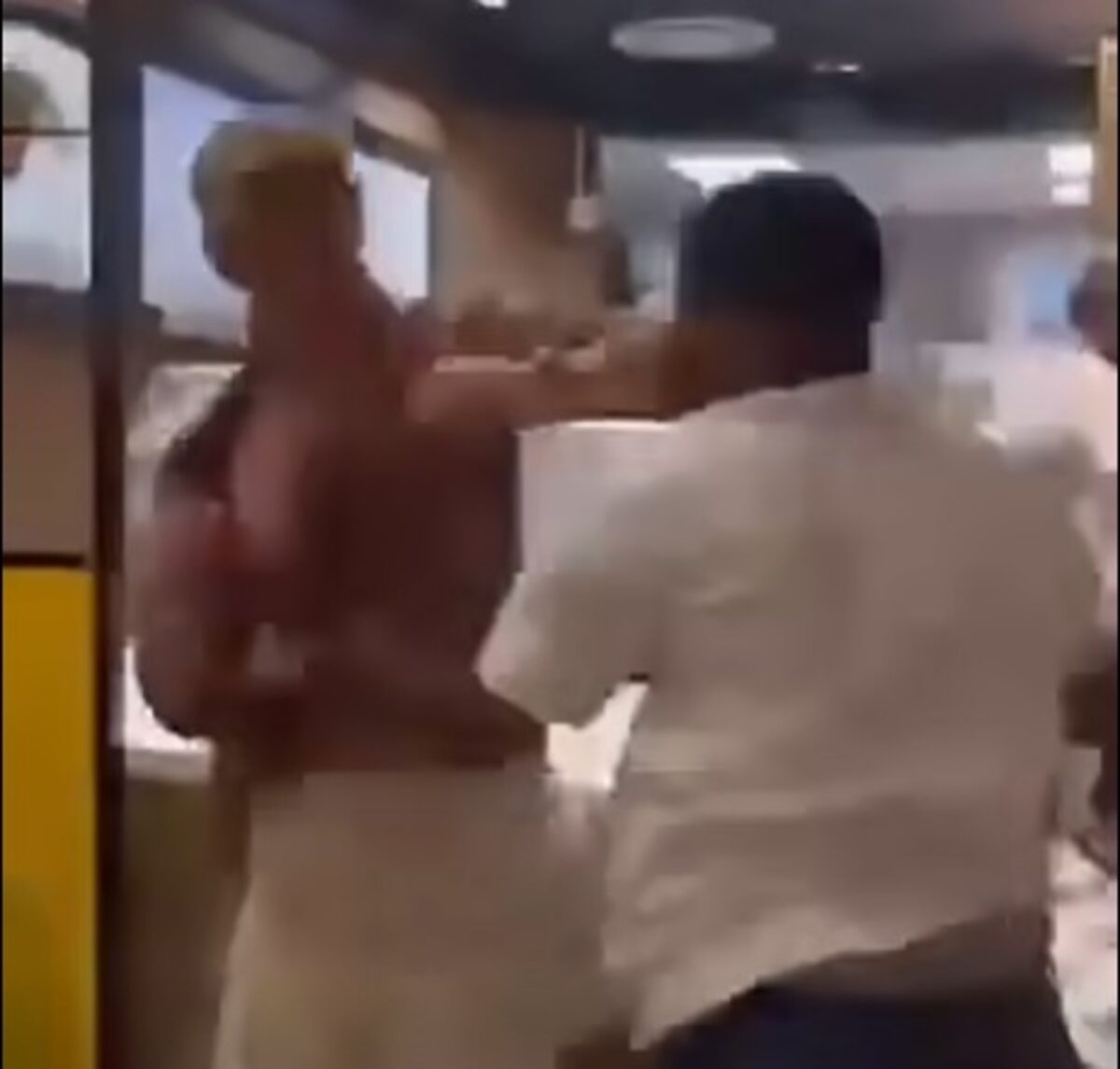
Japan has witnessed Pokemon-related incidents before, including break-ins at card shops and even physical altercations – remarkable occurrences in a country known for its low crime rates.
McDonald’s scrambles for damage control
Recognising the PR disaster unfolding, McDonald’s Japan initially tried to contain the situation by implementing a five-meal maximum purchase limit per customer. However, this proved insufficient against determined resellers who simply returned to queue multiple times or enlisted others to make purchases on their behalf.
By Monday, the company was forced into full damage-control mode, acknowledging in an official statement that “resale-driven mass purchases by customers” had led to “our food being thrown away or discarded.”
Stricter measures promised
Moving forward, McDonald’s Japan has committed to implementing more robust restrictions on future promotions. The company announced plans to “introduce a stricter cap” on Happy Meal purchases and warned that customers attempting to circumvent limits through repeated queuing or intimidating staff behavior would be refused service.
The fast-food chain also pledged to work with e-commerce platforms to crack down on unauthorized resale activities, though specific details of these measures remain unclear.
A pattern of problems
This isn’t McDonald’s Japan’s first rodeo with promotional chaos. Similar issues have plagued previous campaigns, particularly collaborations with popular manga series like “Chiikawa,” suggesting that the company may need to fundamentally rethink its approach to limited-edition promotions.
As one social media user aptly summarized the situation: “This whole thing shows what’s wrong with our throwaway culture – treating food as worthless just to get a piece of cardboard.”