
World-class commuting has just got a high-tech boost!
TOKYO, JAPAN – The future of commuting in one of the world’s most complex cities just got a high-tech upgrade.
In a major strategic move, Uber, Nissan and AI powerhouse Wayve have announced a tripartite collaboration to launch a fleet of autonomous robotaxis in Tokyo by late 2026.
This partnership marks Uber’s first autonomous vehicle (AV) venture in Japan and serves as a cornerstone of a massive global roll-out planned for more than 10 cities, including London.
The collaboration leverages the specific strengths of each industry giant to solve the “last mile” puzzle of urban transportation:
Wayve – The “Brain” — AI Driver technology that learns from real-world data without HD maps.
Nissan – The “Body” — Providing the Nissan LEAF as the primary vehicle platform.
Uber – The “Network” — Matching riders with robotaxis via its existing global app.
Why Tokyo?
Launching in Tokyo is no small feat. With its dense traffic, intricate road layouts and notoriously high safety standards it is widely considered one of the most challenging environments for AI to navigate.
However, Wayve’s “Embodied AI” approach sets it apart. Unlike traditional autonomous systems that rely on rigid, pre-programmed HD maps, the Wayve AI Driver is designed to generalize and learn on the fly.
This flexibility allows it to adapt to dynamic urban environments – like a neon-soaked Shinjuku intersection – more like a human driver would.
“Tokyo represents an important step forward in bringing embodied intelligence to one of the world’s most sophisticated mobility markets,” said Alex Kendall, CEO of Wayve.
While the goal is full autonomy, the initial pilot phase won’t leave the steering wheel entirely to the machines. Every vehicle on the Uber network will feature a trained safety operator to ensure a smooth transition for passengers.
For Uber CEO Dara Khosrowshahi this move is about more than just cool tech; it’s about survival in a changing labour market.
“Japan is a critical market where innovation can help address driver shortages and support the future of urban transportation,” Khosrowshahi noted.
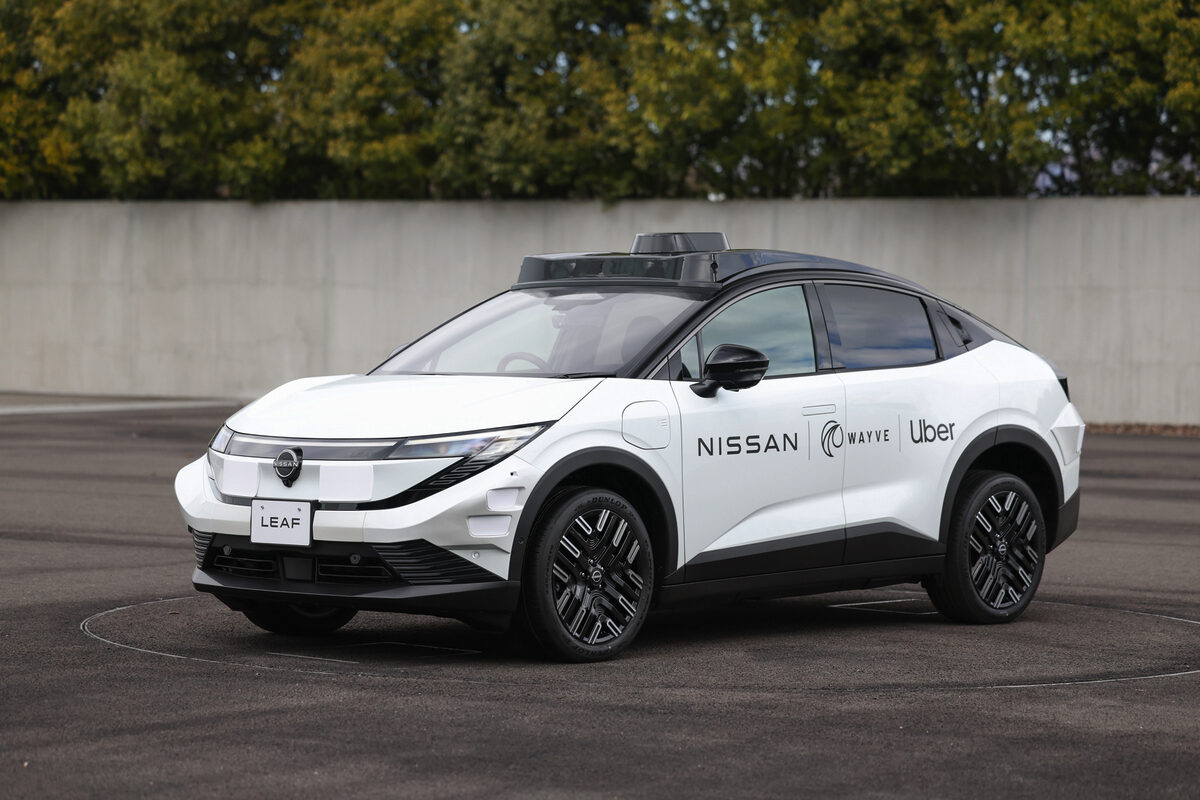
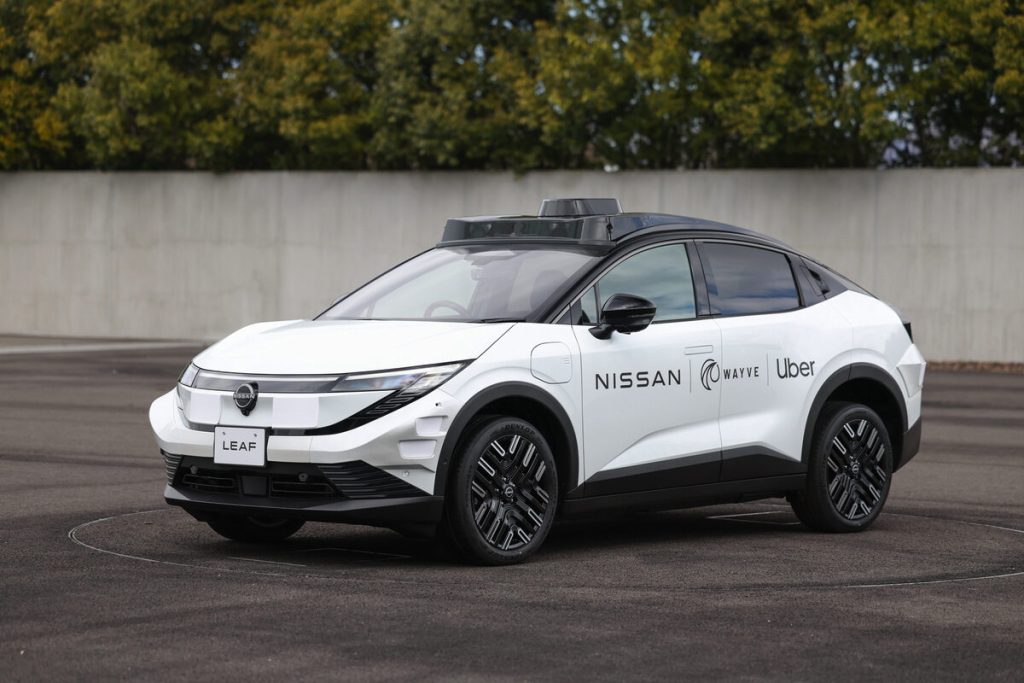
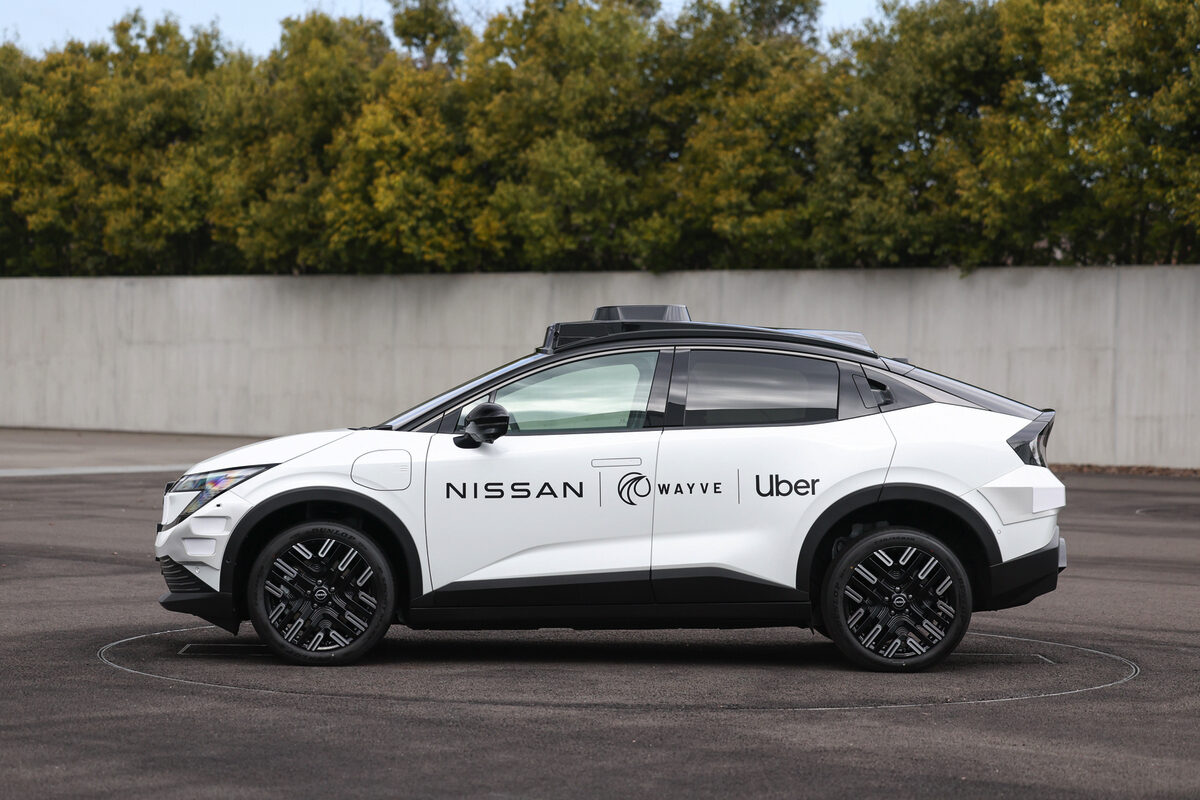
The companies have already unveiled a prototype based on the Nissan LEAF, and testing has been quietly underway in Japan since early 2025.
Uber is currently selecting licensed taxi partners to comply with Japanese regulations. Commuters in Tokyo can expect to see (and book) these AI-powered LEAFs by late 2026.
Following the Tokyo and London pilots, the service aims to scale across 10+ global hubs.






You must be logged in to post a comment.