

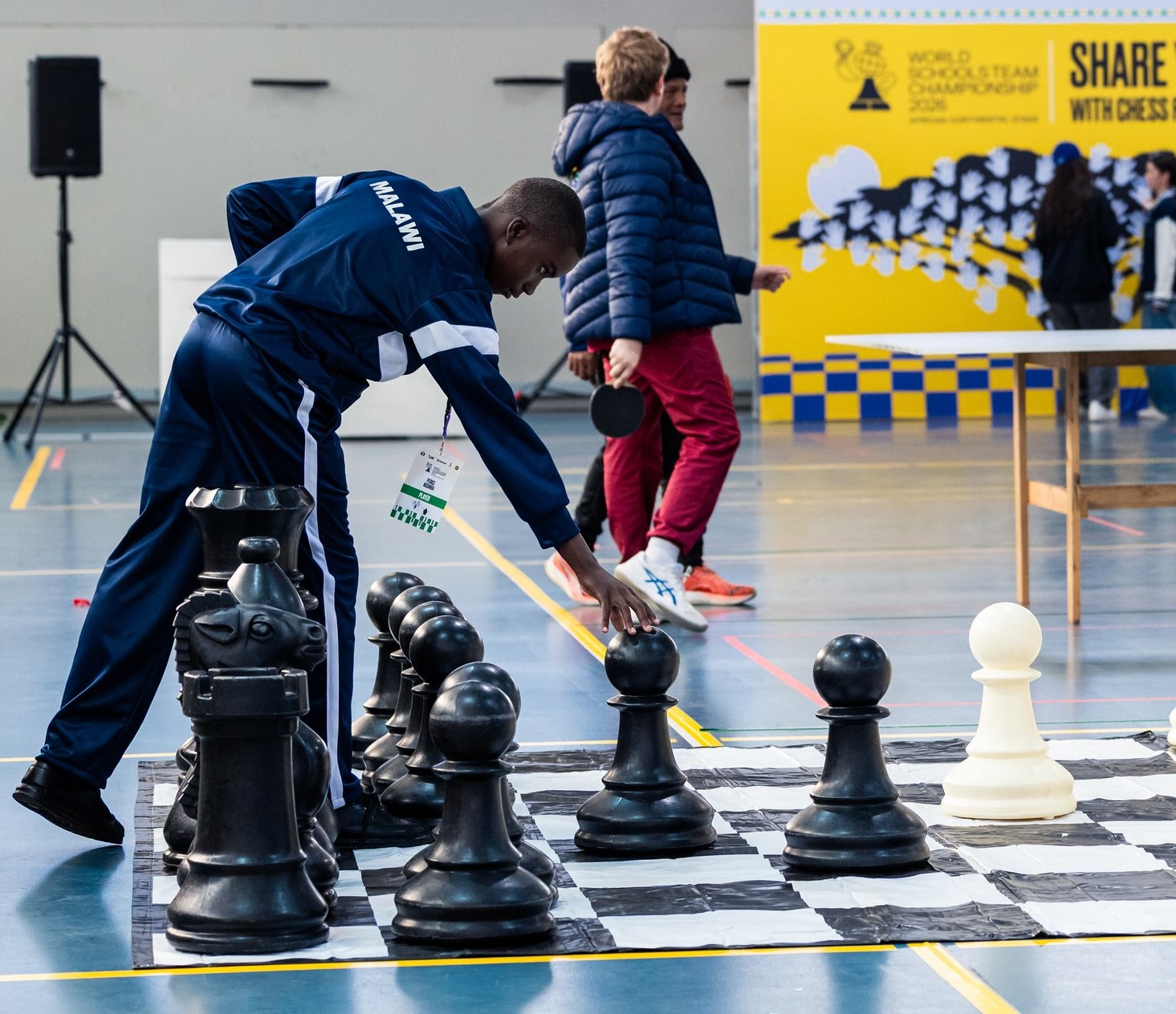
The African continental qualifier of the World Schools Team Chess Championship (WSTC) has concluded in Cape Town, marking the first time this global school chess tournament has been held anywhere on the African continent.
The tournament brought together 26 school teams from 22 African countries.
Grand final
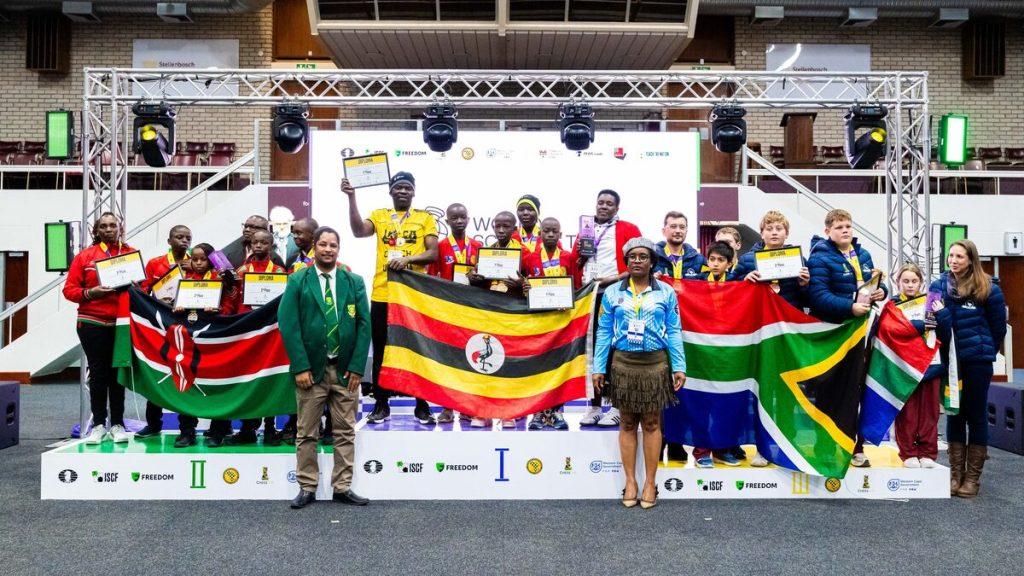
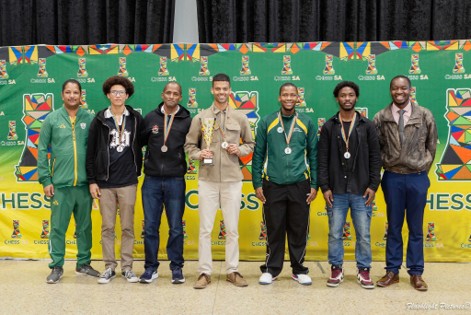
South Africa’s Welgemoed Primary School in Bellville won the bronze medal. The silver medal was won by Moi Nyeri Complex Primary School from Kenya, while St Miriam Duggan Primary School from Uganda claimed the championship title and lifted the winners’ trophy. African teams advance to grand final.
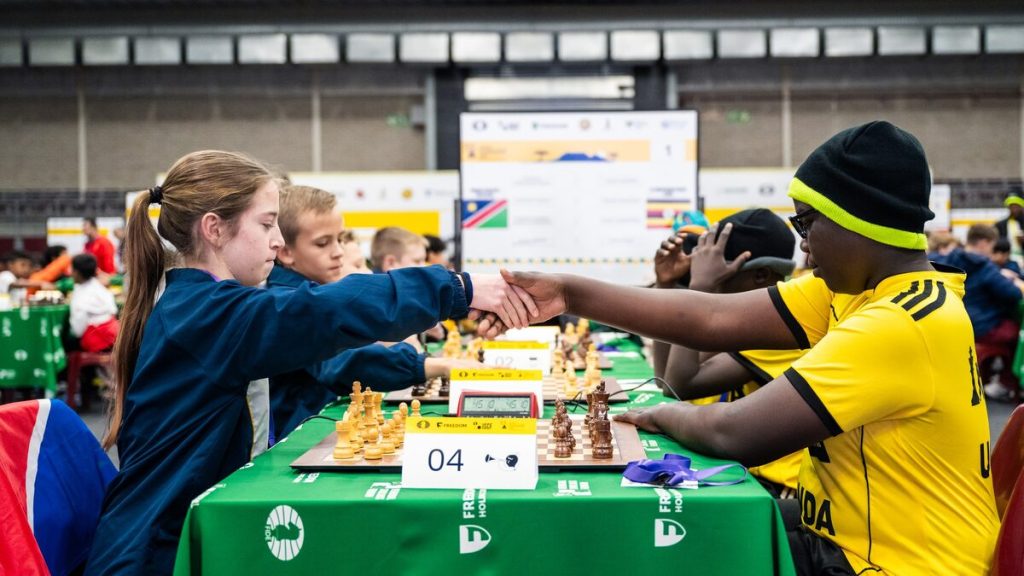
Organised under the auspices of the International Chess Federation (FIDE) and supported by Freedom Holding Corp and its founder and CEO, Timur Turlov, the tournament saw school teams from Uganda, Kenya and South Africa qualify for the grand final, which will take place in December.
The 2026 championship consists of continental qualifying events followed by a global final.
The first qualifier, covering Central Asia, was held in Kazakhstan in April, where Wisdom School from Uzbekistan emerged victorious.
Following the African stage, qualifying tournaments will also take place in Europe and the Americas before the continental champions compete for the world title in December.
‘Success depends on children’
“The success of any country depends on the success of its children. If our children succeed, the country will succeed. Developing human capital is our primary objective because it ultimately determines our future. A strong education system, a culture of learning, and a strong work ethic are what lead nations to long-term prosperity,” Turlov said during the tournament’s closing ceremony.
Invests in chess
Freedom Holding Corp. invests more than $15 million annually in chess development and promotion. Turlov was among the initiators of the International School Chess Federation, becoming its president in 2024. As president of the Kazakhstan Chess Federation since 2023, he has also been one of the driving forces behind introducing chess into Kazakhstan’s school curriculum. Today, chess is taught as an educational subject in more than 1 000 schools across the country.
“Our mission as representatives of the global chess community and the International School Chess Federation is to support national federations and local leaders in expanding access to chess education and integrating chess into school curricula,” Turlov said.
New opportunities
Speaking at the closing ceremony in Cape Town, he said technological progress is creating new opportunities for education and personal development.
“Today, we are far less dependent on traditional institutions and physical infrastructure than we were in the past. Technology allows individuals to change not only their own lives but also contribute to the development of their countries, even without access to long-established institutions. Technology is increasingly levelling the playing field,” he said.

According to Turlov, chess develops concentration, strategic thinking, and decision-making skills. More importantly, for many children, it can become a pathway to education, international opportunities, and social mobility, he said.
ALSO READ: Cape Town hosts record South African Open Chess Championships


You must be logged in to post a comment.