

The University of the Western Cape (UWC) has strengthened its position as a leading research institution by achieving 30 chairs affiliated to the South African Research Chairs Initiative (SARChI), the highest number among South Africa’s historically disadvantaged institutions. The milestone follows 15 new appointments awarded in 2026.
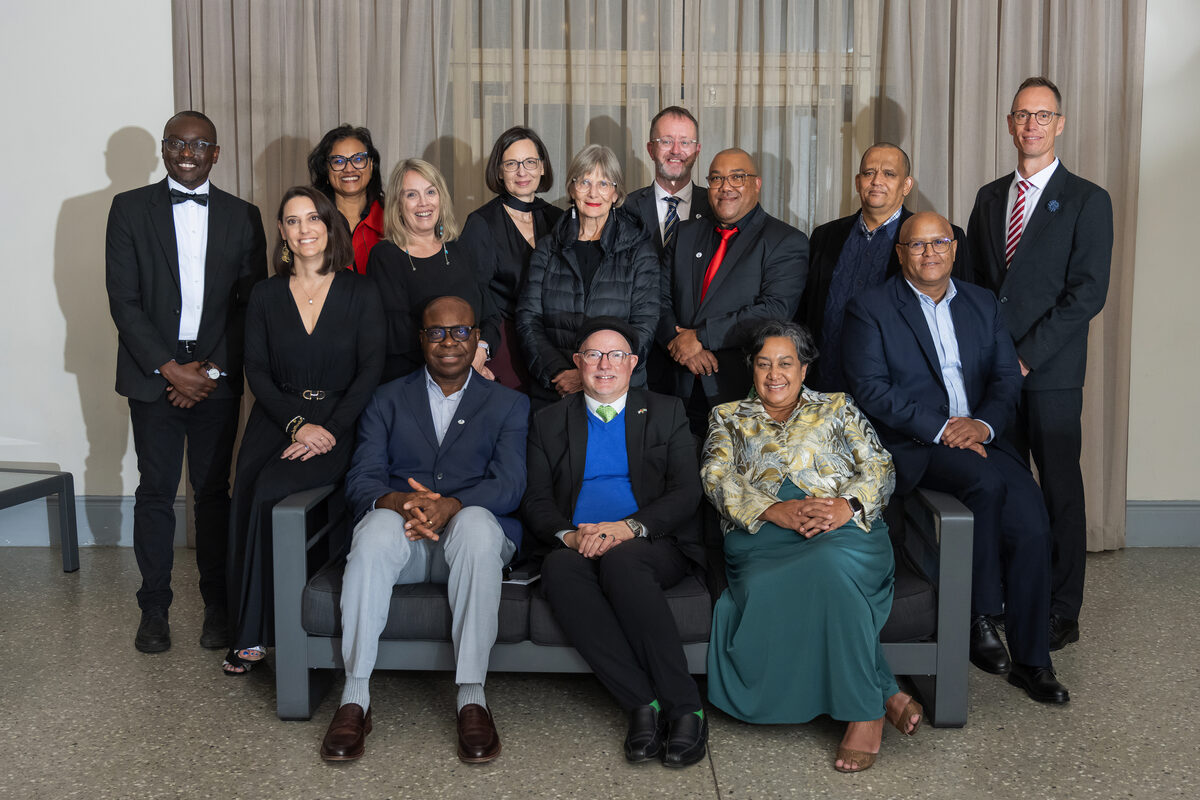
The achievement was recognised at a recent SARChI recognition event hosted by UWC, bringing researchers, academic leaders and institutional partners together to celebrate the collective contribution of the university’s research community.
Supported by the Department of Science, Technology and Innovation and administered through the National Research Foundation (NRF), the SARChI programme is one of South Africa’s flagship investments in research excellence. It aims to attract and retain leading researchers, expand postgraduate opportunities, strengthen institutional capacity and develop future generations of scientific leadership.
According to UWC, the milestone reflects more than institutional growth. It signals the university’s expanding role in shaping South Africa’s research agenda and advancing African-led innovation that responds to pressing societal challenges. The achievement also aligns with the university’s Institutional Operating Plan for 2026–2030, which places research excellence, innovation and international collaboration at the centre of its academic project.
Research excellence and national impact
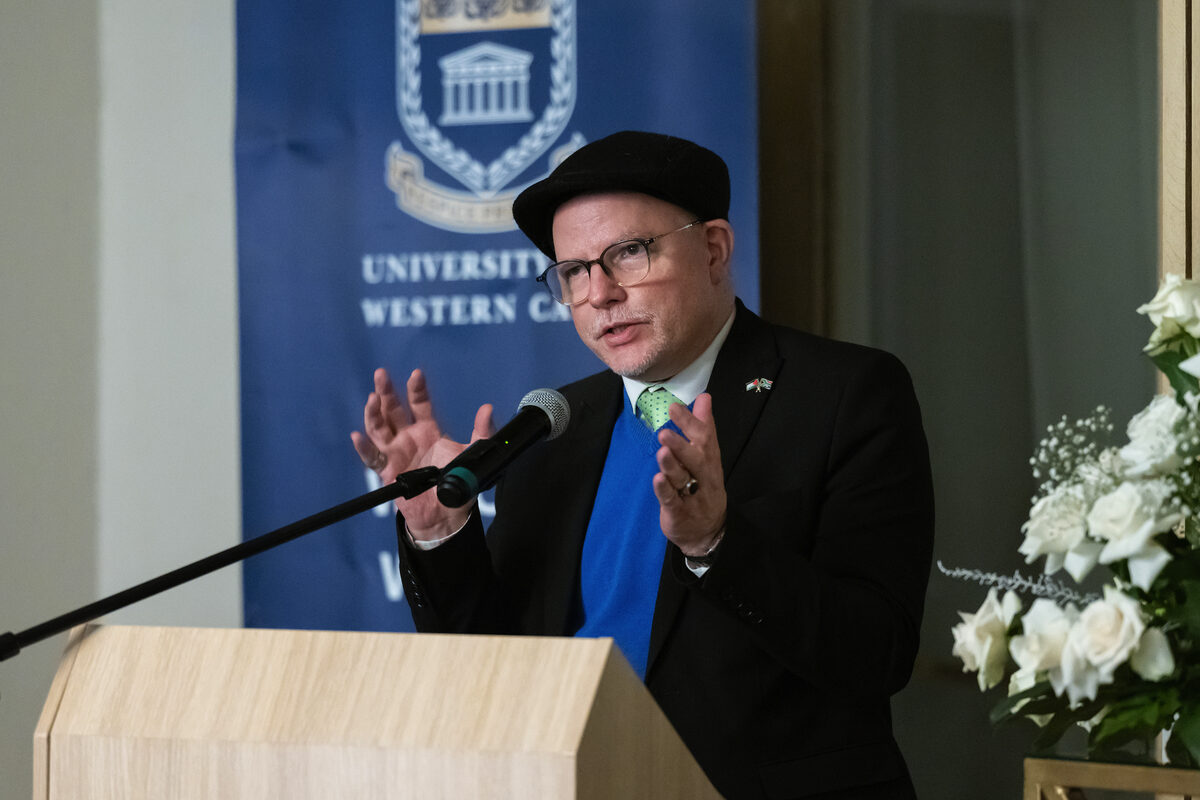
Speaking at the event, UWC Rector and Vice-Chancellor Professor Robert Balfour said the university’s strength lays not only in academic growth and research output, but also in its culture, values and collaboration.
He emphasised that research should extend beyond the university and contribute to societal transformation, creating meaningful change within communities while producing knowledge and opportunity for future generations.
Guests also heard from Dr Nana Boaduo, Director of Research Chairs and Centres of Excellence at the NRF, who reaffirmed the importance of the SARChI programme in strengthening South Africa’s research system and developing future scholars. He commended UWC for becoming a leading university in South Africa in hosting SARChI Chairs and described the institution as a model from which other universities could learn.
ALSO READ: Education, gender equality and wellbeing discussed at UWC
Boaduo highlighted UWC’s contributions across disciplines including public health, bioinformatics, education and the social sciences. He noted that research conducted at the university addresses both global scientific questions and local societal challenges while strengthening policy and healthcare systems.
The programme also featured a keynote reflection from Dr Chance Chagunda, South African Country Manager of the Whitaker Peace and Development Initiative. He praised UWC’s SARChI Chair holders for their contributions to scholarship, innovation and societal transformation, and highlighted the role of research in addressing challenges such as poverty, inequality, unemployment, climate change and governance issues.
New Chairs expand research portfolio
The expansion of UWC’s SARChI portfolio spans five faculties and includes both established and emerging fields of national importance.
Newly appointed Chairs include Professor Admire Dube in Nanomedicine and Infectious Diseases, Professor Christopher Arendse in Low-Dimensional Materials for Solar Energy Conversion, Professor Mervyn Meyer in Sustainable Nanotechnology, Associate Professor Louise Leenen in Artificial Intelligence and Cybersecurity, Professor Marshall Keyster in Plant Improvement for Regenerative and Sustainable Agriculture, and Professor Nkobeng Ledwaba in Agricultural Waste Valorisation for Sustainable Energy Transition.
Additional appointments include Professor Fiona Anciano in Democracy and Urban Governance, Professor Jennifer Chipps in Digital Health, Professor Russell Kaschula in Forensic Linguistics and Multilingualism, Professor Tamara Shefer in Blue Humanities and Gender Justice, and Professor Rajendra Chetty in Decolonisation of Language Teacher Education.
According to UWC, these appointments demonstrate the breadth of the university’s research strengths and its ability to respond directly to national and global challenges through knowledge creation, innovation and impact.
Building future research leaders
Professor Mervyn Meyer, Chair in Sustainable Nanotechnology, said the appointment provides greater opportunity for focused research and long-term development. While Chair holders remain connected to teaching, the programme allows for greater emphasis on postgraduate supervision, innovation and research leadership.
He said a key outcome of the programme is the training of the next generation of scientists, including honours, master’s, doctoral and postdoctoral students. Student development remains central to the SARChI vision, with postgraduate students gaining access to expanded opportunities and internationally competitive research environments.
ALSO READ: UWC seminar discusses the vulnerability of sex workers
Professor Admire Dube, Chair in Nanomedicine and Infectious Diseases, highlighted research focused on infectious diseases such as tuberculosis through the application of advanced nanomedicine approaches to improve treatment outcomes. He said the Chair model also creates opportunities for students and emerging researchers to gain specialised skills and pursue careers in research, academia and industry.
The university’s growing focus on digital innovation is reflected in the appointment of Associate Professor Louise Leenen as Chair in Artificial Intelligence and Cybersecurity. Her work centres on developing intelligent and secure systems capable of operating within increasingly complex digital environments, supporting national development and digital resilience.
Reflecting on the broader significance of the appointments, Professor Dube said the milestone elevates UWC’s national research standing and strengthens the university’s ability to attract research collaborations and talent.



You must be logged in to post a comment.