
Sex workers in South Africa are facing deepening vulnerability as criminalisation, social stigma and a worsening funding crisis continue to limit access to rights, protection and support services.
These concerns were raised at a seminar hosted by the Research Chair in Gender, Transformation and Worldmaking, together with the Department of Criminal Justice and Procedure in the University of the Western Cape’s (UWC).
Sexual freedom
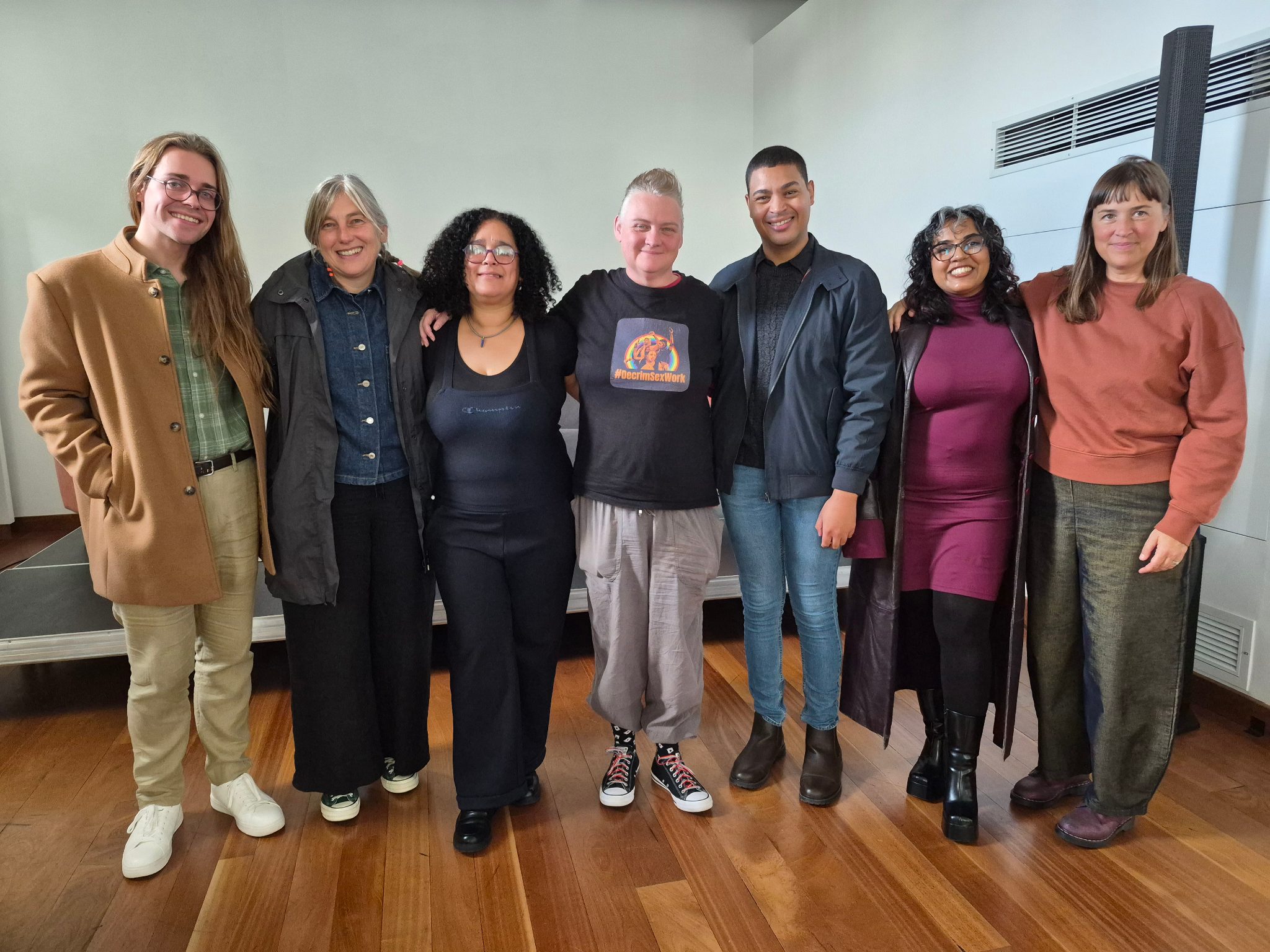
On the theme “Practices of Sexual Freedom”, the engagement brought academics, activists and civil society representatives to unpack the lived realities of sex workers, ongoing debates around decriminalisation and constitutional rights, and the growing financial pressures threatening social justice organisations.
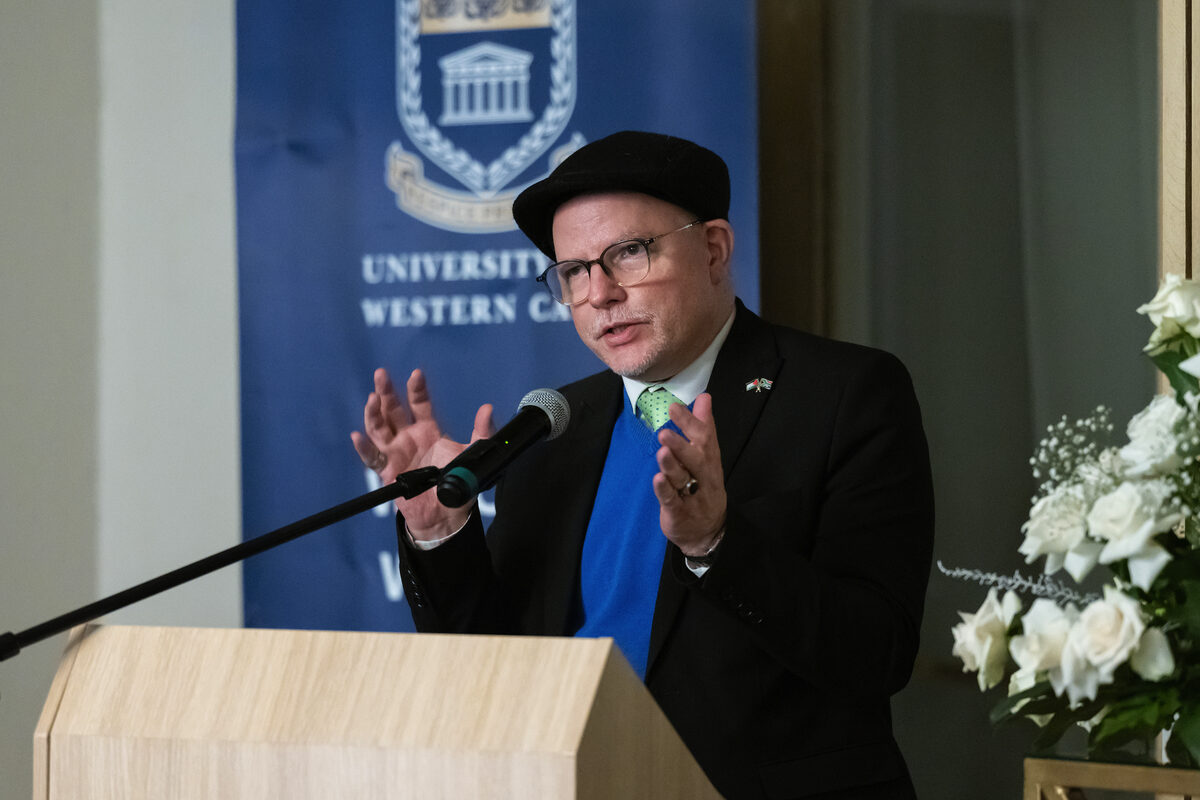
Prof Karin van Marle, who holds the Research Chair in Gender, Transformation and Worldmaking, welcomed delegates to the engagement, which was held at the Centre for Humanities Research Inyatsiba Lab in Woodstock. Dr Hugo Uys facilitated the programme.
A presentation by Dr Tanveer Jeewa and Dr Johndré Barnes from the Faculty of Law at Stellenbosch University explored the question of who is recognised as dignified through the lens of the landmark Constitutional Court case S v Jordan. It involved a sex worker and others involved with brothel-keeping being charged under the Sexual Offences Act.
They challenged the constitutionality of the legislation, arguing that the criminalisation of sex work violated their constitutional rights, including their rights to dignity, equality and privacy, while also reinforcing stigma and discrimination against women involved in sex work.
Constitutional
The matter raised broader constitutional questions around bodily autonomy, morality, labour and the lived realities of economically vulnerable women. Dr Jeewa explained that the Constitutional Court ultimately ruled that the provisions criminalising sex work were constitutional, finding that the law did not violate the dignity of sex workers. The court held that the stigma associated with sex work arose primarily from the activity itself rather than from the legislation criminalising it.
Barnes pointed out that the Constitution affirms that everyone has inherent dignity, entitling each person to respect and protection, while it also imposes a duty on the state not to enforce beliefs or attitudes on individuals or to intervene unduly in areas of human life essential to developing one’s person.
“Despite its transformative potential, however, dignity hasn’t always been applied in ways that challenge systemic inequalities, exclusion and hierarchical social structures,” Barnes said. Where claims for dignity clash with dominant moral world views the Constitutional Court sometimes falls short, instead of protecting marginalised communities. It reinforces exclusion.
He added: “In the case of Jordan, the Constitutional Court endorsed unreflective and conservative views of sex and held that, despite their social and economic vulnerability, the criminalisation of sex work did not violate the dignity of sex workers. So in this account dignity is conditioned on social acceptability, rather than being affirmed as a guaranteed right. In other words, it is portrayed as something to be earned through conformity to dominant, societal norms.”
Documentary screening
Excerpts from the documentary, Womxn Working, were also screened during the seminar. In the film sex workers explained how their work can help break the cycle of poverty, while also describing the barriers they face because sex work is criminalised, including difficulties accessing housing finance, buying land and opening bank accounts.
Reflecting on the documentary, Prof Kelly Gillespie from UWC’s Department of Anthropology said the film acknowledges that “we live in capitalism”. “That capitalism shapes the dimensions of that struggle and shapes the understanding of the relationship between sex work and freedom. And in that context the argument about the importance of decriminalisation for being able to acknowledge the labour of the work in sex work.”
Unable to access rights
Cherith Sanger of UWC’s Department of Criminal Justice and Procedure said while the country commemorated Workers’ Day this month sex workers are still unable to fully access many of the rights celebrated on Workers’ Day, including the rights to freedom of trade, profession and occupation, the right to unionise and participate in bargaining council structures, because of the ongoing criminalisation of sex work.
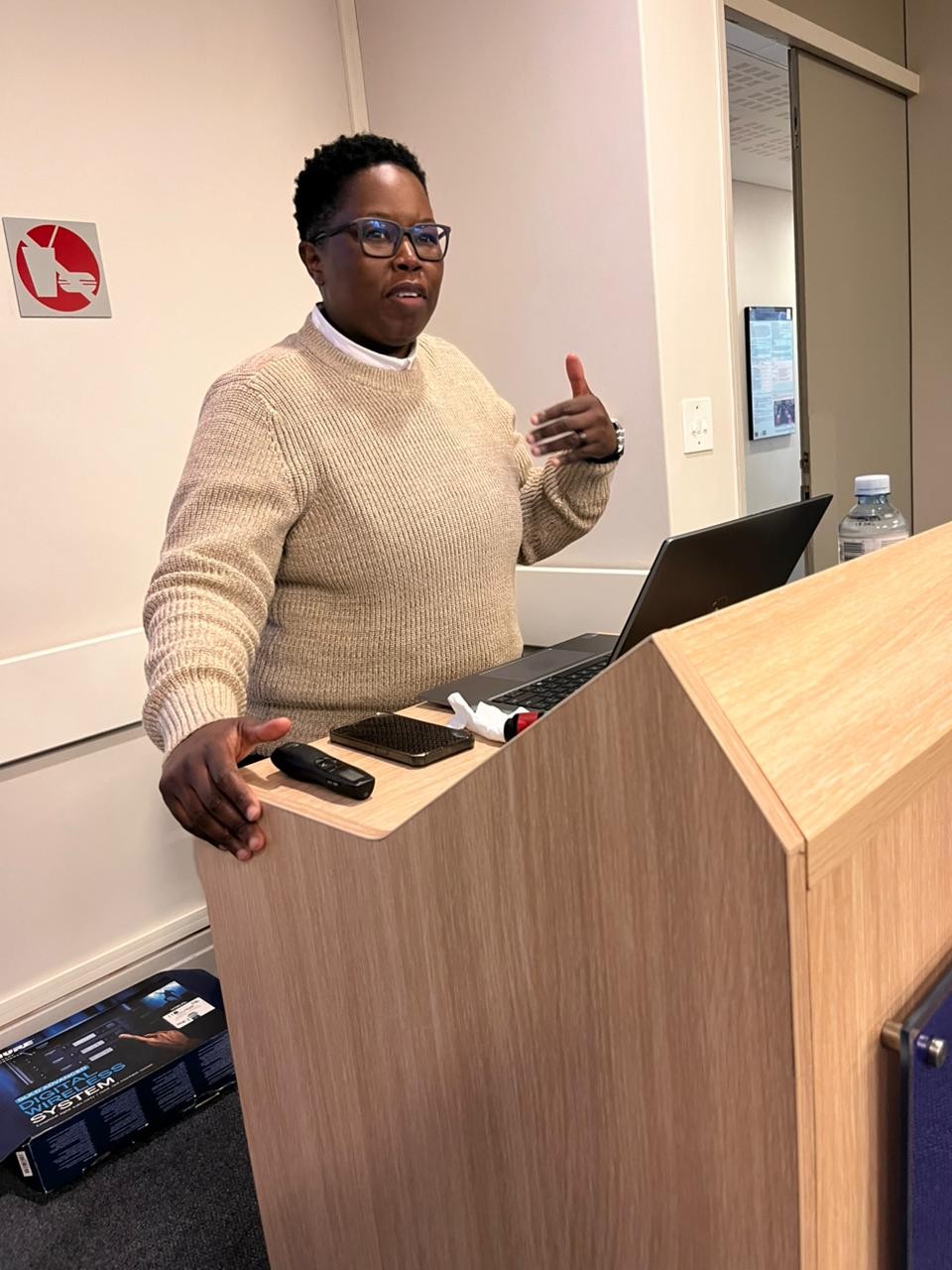
Sanger addressed delegates on “Bridging the gap between theory and lived experience”. “Even if sex work is decriminalised, sex workers, civil society, academics and other stakeholders will need to work together to destigmatise sex work and advance sex workers’ human rights. Despite popular belief sex workers can articulate their own problems, needs, desires and solutions to their struggles and should therefore lead the advocacy agenda for law reform themselves. As academics our role is to support sex workers and offer technical skills for the cause, and not control the narrative. As researchers we must do research with sex workers, not about them to contribute to the decolonial agenda of the academy.”
Director of SWEAT, Emily Craven, confirmed there is a “massive funding crisis in the social justice sector in South Africa”, adding that it is the worst she has ever seen. “I remember some time ago when philanthropies pulled out of the LGBTI sector in South Africa, it had a devastating impact.
“This is worse than that because it is more widespread. What we are seeing is across-the-board closures, retrenchments – important work coming to an end. And because it is so widespread, it means that places where people might look for support or help are so overstretched, both here and internationally,” Craven said.
“The crisis is not just a South African one. So if we were to look to American philanthropists, for example, the word that is getting to us is that something like 87% of organisations in the USA that deal with women’s health, LGBTI rights, have had budget cuts in the last year.
“So they are too busy bailing themselves out to come here and help. And that leaves us in a very difficult situation. What we have seen is large-scale disinvestment. If we say that we believe social justice organisations are a vital component – and I believe that they are – of any functioning democracy – then we have to figure out how to resource them. That is the challenge I am putting out to everyone.”
READ ALSO: Cape Town groundwater levels in alarming decline, UWC study warns