
The Cape of Good Hope SPCA has seized an injured cart horse in Portland, Mitchells Plain, after the animal ran into a metal gate while being driven by two young boys.
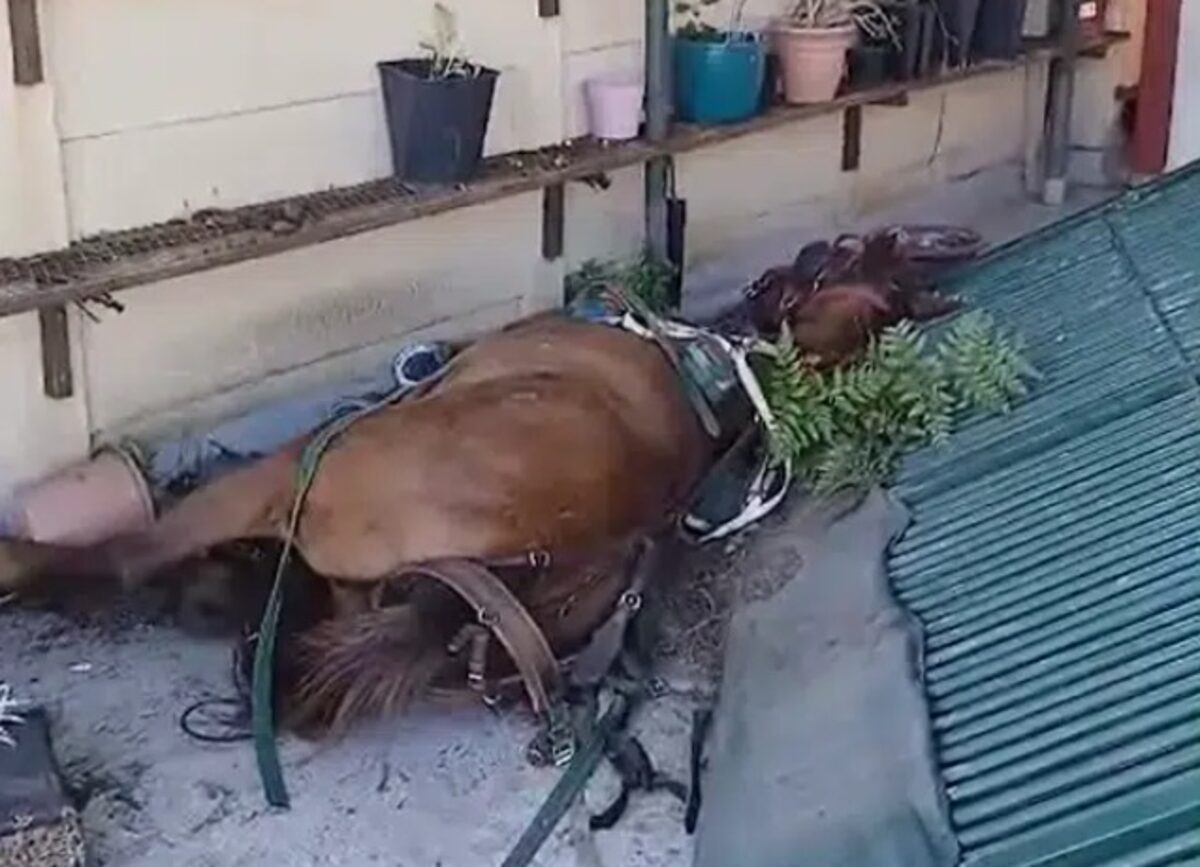
The SPCA received a complaint that a horse pulling a cart had been treated poorly before it ran into a steel gate and collapsed. The horse lay on the ground for about 15 minutes before getting back onto its feet, visibly injured.
On arrival, the SPCA Inspector met with the complainant, several concerned community members, and the two boys who had been driving the horse. Both boys were under the age of 13.
They told the Inspector they had been travelling from the Philippi area when a stray dog attacked the horse. Startled, the animal bolted and ran directly into a metal gate, striking it with its head.
Horse seized for urgent veterinary care
The collision left the horse with a large wound above its right eye, which was bleeding heavily. The animal also sustained bite wounds and an injury to its front right leg, which was also bleeding.
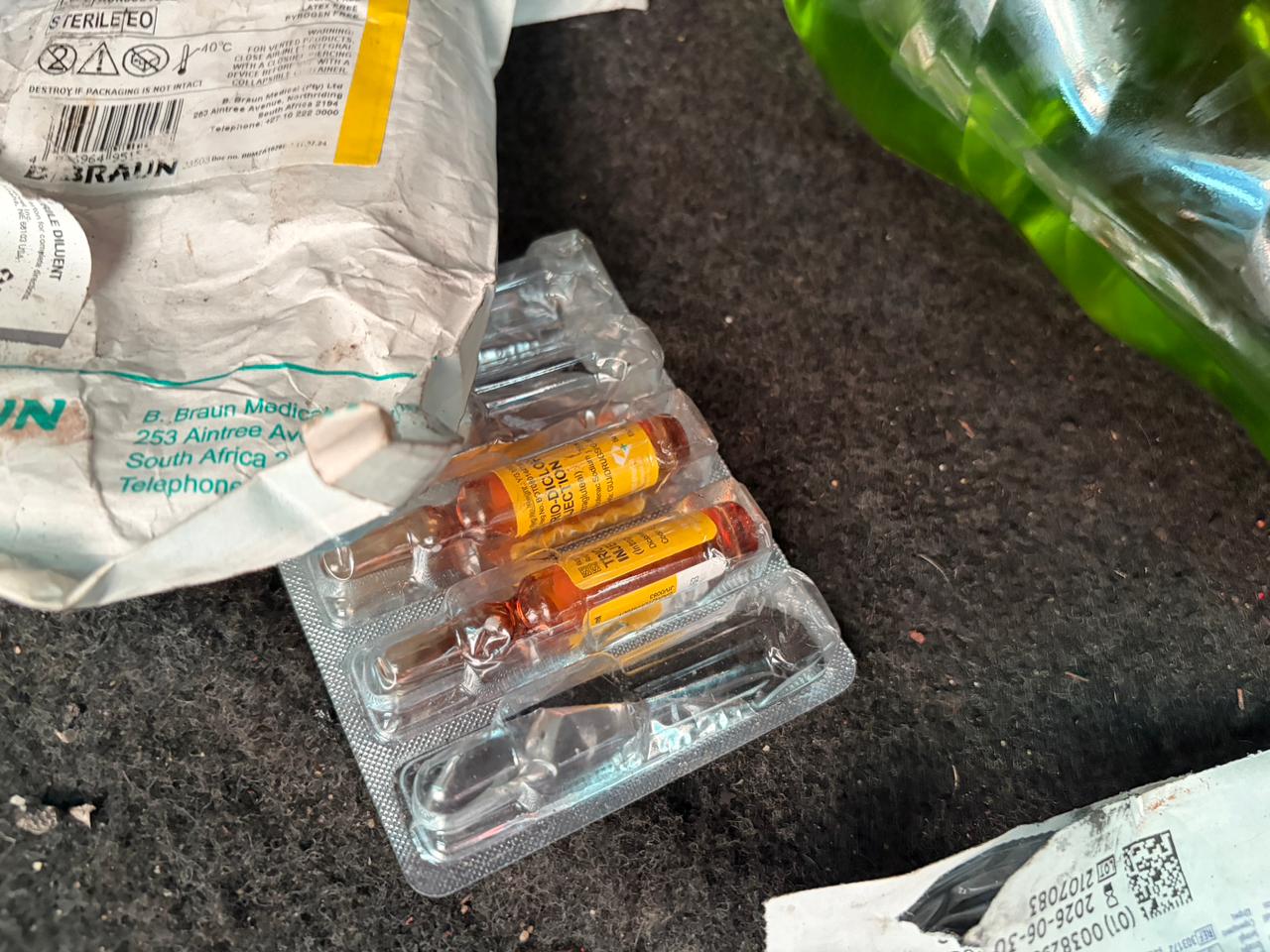
Because of the severity of its injuries, the SPCA immediately seized the horse to ensure it received urgent veterinary attention and a full medical examination.
Legal action to follow
The incident has raised serious legal concerns. In Cape Town, it is unlawful for a person under the age of 18 to drive a cart horse on a public road. Owners are also required to hold the necessary permit before a horse may be used as a cart horse.
“The welfare and safety of working animals cannot be compromised,” said Belinda Abraham of the SPCA. “Children simply do not have the experience or physical ability to safely control these powerful animals, placing the horse, themselves and members of the public at significant risk. We will be taking action against the owner in terms of the applicable legislation.”
The SPCA has launched an investigation and will pursue the matter against the owner to the full extent of the law.
The Cape of Good Hope SPCA reminds horse owners that they have a legal duty to ensure that working animals are handled responsibly, receive appropriate veterinary care when injured, and are not placed in situations that unnecessarily endanger their welfare or public safety.
ALSO READ: Routine SPCA inspection leads to discovery of military explosive devices