
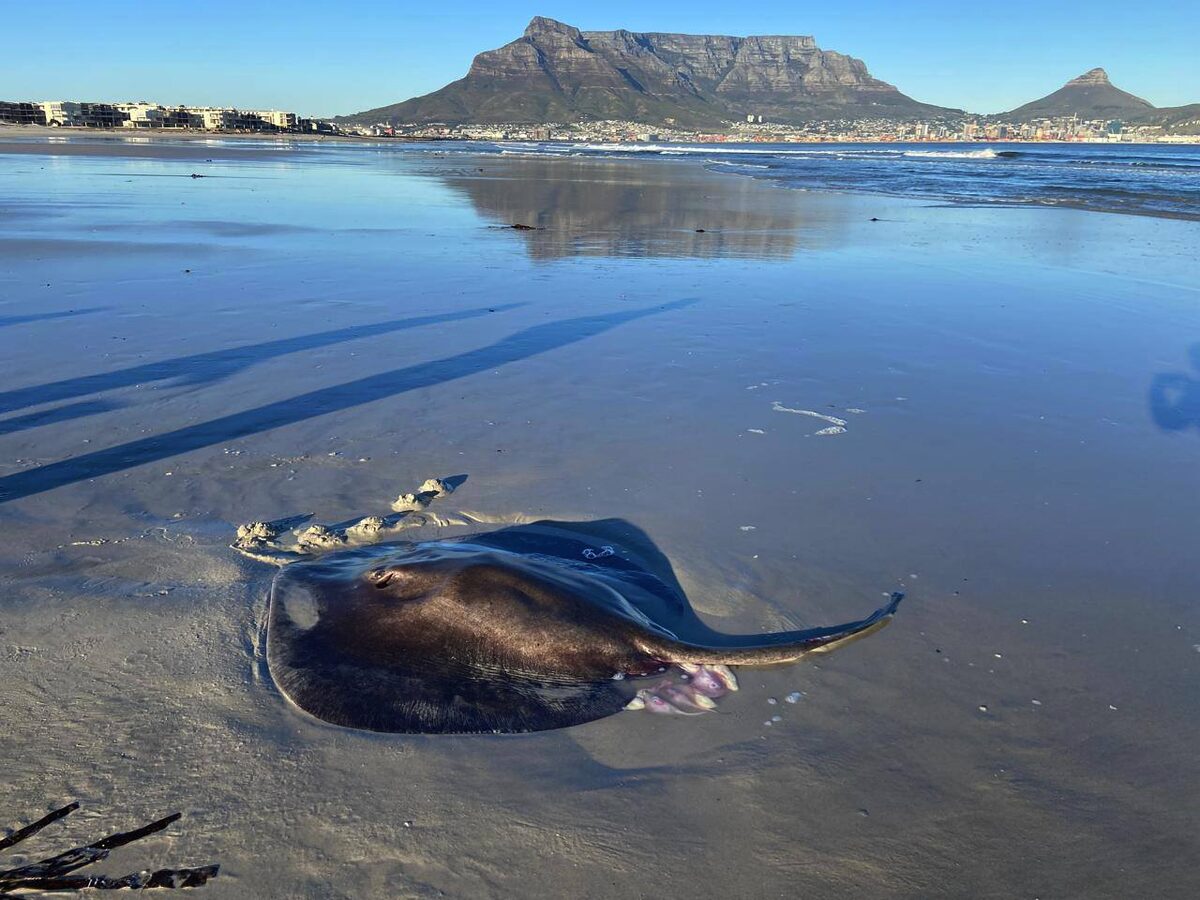
Encouraging signs of environmental recovery are emerging at the Milnerton Lagoon, as community initiatives, rescue efforts and ongoing infrastructure upgrades begin to show visible impact on the long-challenged ecosystem.
Local environmental group, Rethink The Stink, reported renewed optimism after observing gradual improvements in the lagoon and its surroundings. The group also highlighted a recent wildlife rescue as a powerful example of community involvement in protecting fragile coastal ecosystems.
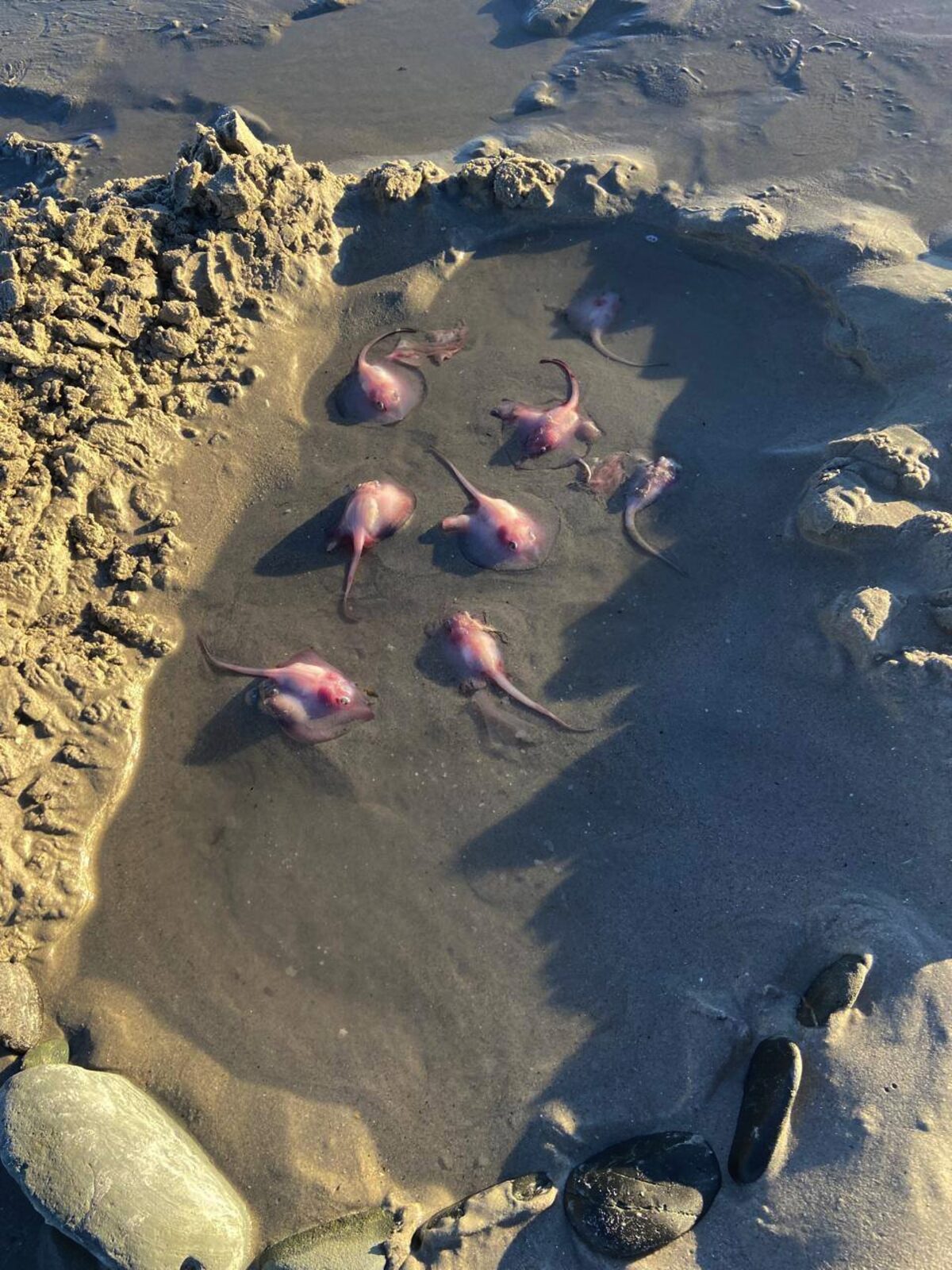
“Watching Milnerton Lagoon and its surroundings gradually recover and come back to life is truly uplifting,” the group said. “A heartfelt thank you to those who stepped in to help, rescuing this ray while she gave birth, protecting her and her babies, and patiently waiting until the Two Oceans Aquarium team arrived to assist. Moments like this remind us how powerful community care and quick action can be in protecting our fragile ecosystems.”
The rescue was supported by the Two Oceans Aquarium, underscoring the importance of coordinated marine response efforts in safeguarding local biodiversity.
André Williams, a Table View resident, said: “Seeing a stingray give birth here is incredible. It shows that all the clean-up efforts are starting to make a difference.”
Milnerton resident Lynette Jacobs said: “I haven’t seen something like this in years. It really gives me hope that the lagoon is slowly coming back to life.”
City says interventions are showing results
The City of Cape Town has maintained that its multi-layered intervention programme is already producing measurable improvements in water quality and system performance.
According to Mayco member for water and sanitation, Zahid Badroodien investments in sewer upgrades, pump-station improvements and ongoing monitoring are beginning to stabilise the system.
“We are beginning to see the results of our investments. Fewer blockages and reduced odours are just some of the benefits. These interventions are building a more resilient system for the long term.”
Officials confirmed that a tender process for the proposed dredging project is currently under evaluation, with implementation expected to begin in June 2026, subject to environmental authorisation.
The City also outlined broader upgrades across the Diep River catchment system, including real-time monitoring of 56 pump stations, infrastructure improvements in areas such as Koeberg Road, Dunoon and Table View East, and continued upgrades at the Potsdam Wastewater Treatment Works.
Additional interventions include a saline water pilot project aimed at improving flow dynamics and reducing pollution as well as experimental trials using nanobubble technology and microbial treatments, which officials say are showing early promise.
Long-term infrastructure plan underway
Beyond immediate interventions, the City has emphasised its long-term strategy to strengthen wastewater management and improve overall environmental resilience.
Upgrades at key facilities include ongoing maintenance and improvements at the Koeberg Pump Station, where weekly manual screen cleaning, pump checks and wet well level monitoring are being carried out to maintain system efficiency.
Enhancements at the site have included the construction of manual screens, replacement of defective valves, installation of a new alarm system, deployment of additional mobile pumps and procurement of new impellers to improve operational capacity.
Future plans include the construction of a new pump station capable of handling 1 630 litres per second, along with an emergency overflow storage pond designed to accommodate up to four hours of sewage overflow during system pressure events. New rising mains will also replace older infrastructure to improve reliability and reduce risk of failures.
At the Potsdam Wastewater Treatment Works, large-scale upgrades are underway, including ultrafiltration systems, sludge pond rehabilitation and new mechanical and electrical works aimed at improving effluent quality and plant efficiency.
Officials noted that significant volumes of solid material have been removed from the system, requiring extensive cleaning and maintenance operations, with some processes taking up to eight weeks per settling tank.
Community concern over dredging plans
Despite these interventions proposed, dredging of the Milnerton Lagoon has sparked growing concern among residents and environmental stakeholders.
Reports indicate that some community members fear the intervention could permanently alter the natural character of the lagoon.
Concerns have been raised that dredging may change the lagoon’s shape, sediment balance aside from its overall ecological identity.
One resident, Gregory Nortje, an architect who has lived along the lagoon for three decades, warned that the proposed approach could significantly impact the landscape.
“This beautiful wide body of water will be reduced to an ugly, muddy thing which no one wants,” he said, raising concerns about how dredging material may be managed along the banks.
The City, however, has stated that the preferred approach will involve dredging a key channel and using cyclone technology to separate sediment, allowing cleaned sand to be returned to the lagoon while organic waste is safely removed.
The project is estimated at around R70 million and is expected to take approximately 11 months once approved, pending environmental authorisation.
READ ALSO: Milnerton Lagoon dredging plan sparks backlash from resident