
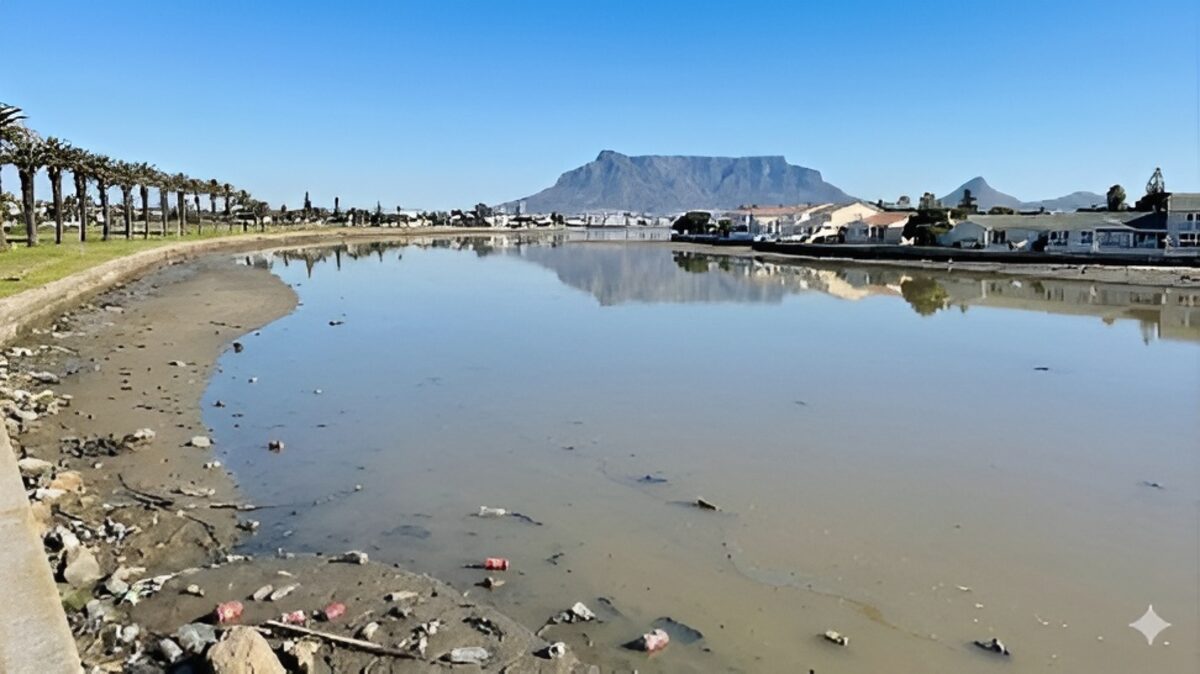
Plans to restore the Milnerton Lagoon are gaining momentum, but a growing concern from residents and environmental voices is raising questions about whether key interventions, particularly dredging, could do more harm than good.
While the City of Cape Town said its multi-pronged strategy is already improving water quality and reducing odours, some locals fear the proposed dredging could permanently alter the lagoon’s character.
Gregory Nortje, an architect who has lived along the lagoon on Woodbridge Island for three decades, said the current dredging proposal has not been fully thought through.
The City planned to dredge a narrow central channel and deposit sludge along the banks, forming raised mud berms.
Nortje warned this could transform the lagoon dramatically.
“This beautiful wide body of water will be reduced to an ugly, muddy thing which no one wants.”
He added that the sludge banks, likely to consist of sewer-contaminated material, could pose both a health risk and an environmental concern.
“The banks will most likely smell and be a health hazard as they are full of bacteria and sewer solid remnants.”
Residents are not opposing the project outright, he said, but are calling for a delay until other infrastructure upgrades are completed and alternative disposal methods for dredged material are explored.
Call for delay and reconsideration
According to Nortje, both residents and environmentalists have urged the City to reconsider the timing and approach.
“We are not asking them to ditch the project,” he said, “but simply to hold off until all the infrastructure projects have been completed and to investigate other options so that everyone can win.”
He believes a delay could improve the long-term success of the intervention.
“For some reason the City is overly keen to get this project started and aren’t listening to the environmentalists who advise that the longer one waits, the more likely the dredging project will be successful.”
City pushes ahead with integrated plan
The City, however, maintained that its intervention programme was already delivering measurable improvements.
Backed by sewer upgrades, pump-station improvements and ongoing monitoring, officials say the system is becoming more resilient.
“We are beginning to see the results of our investments,” said Zahid Badroodien, Mayco member for Water and Sanitation. “Fewer blockages and reduced odours are just some of the benefits.
“These interventions are building a more resilient system for the long term.”
A tender for the dredging project was under evaluation, with work expected to begin in June 2026.
The City’s broader plan includes extensive upgrades across the Diep River catchment.
Key interventions include real-time monitoring of 56 pump stations, infrastructure upgrades in areas such as Koeberg Road, Dunoon and Table View East, and ongoing improvements at the Potsdam Wastewater Treatment Works.
A saline water pilot project is also planned to improve water flow and reduce pollution, while scientific trials using nanobubble technology and microbial treatments are showing early promise.
Signs of pollution still evident
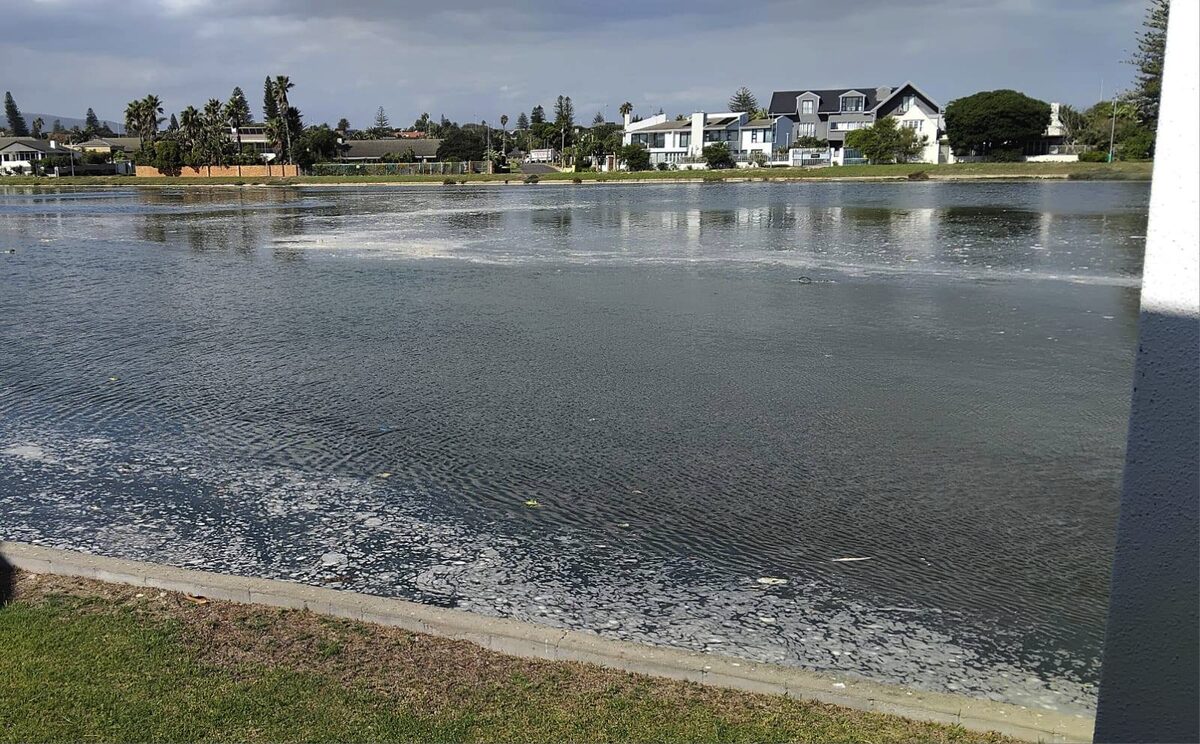
Despite these efforts, concerns about water quality persist. Community group Rethink The Stink recently reported unusual foam in the lagoon, believed to be linked to pollution.
“This isn’t just unsightly,” the group stated, “it’s a clear warning of poor water quality and potential health risks for people, pets and wildlife.”
The City has committed to investigating the incident.
Monitoring data indicates a significant drop in hydrogen sulphide (H₂S) nuisance levels, a key contributor to the lagoon’s notorious odour.
While nearly 1 400 exceedances were recorded between February and December 2025, only 10 were recorded between January and late March 2026.
As the City moved into what it described as a “critical phase” of implementation, the debate highlighted a delicate balance between urgent intervention and long-term environmental impact.
For residents such as Nortje, the concern is not whether the lagoon should be restored, but how.
“I think the public has the right to know how the most beautiful and dominant water feature in this area could be changed forever for very little ecological return,” he said.
READ ALSO: Hundreds of plastic sticks found on Milnerton Lagoon Beach