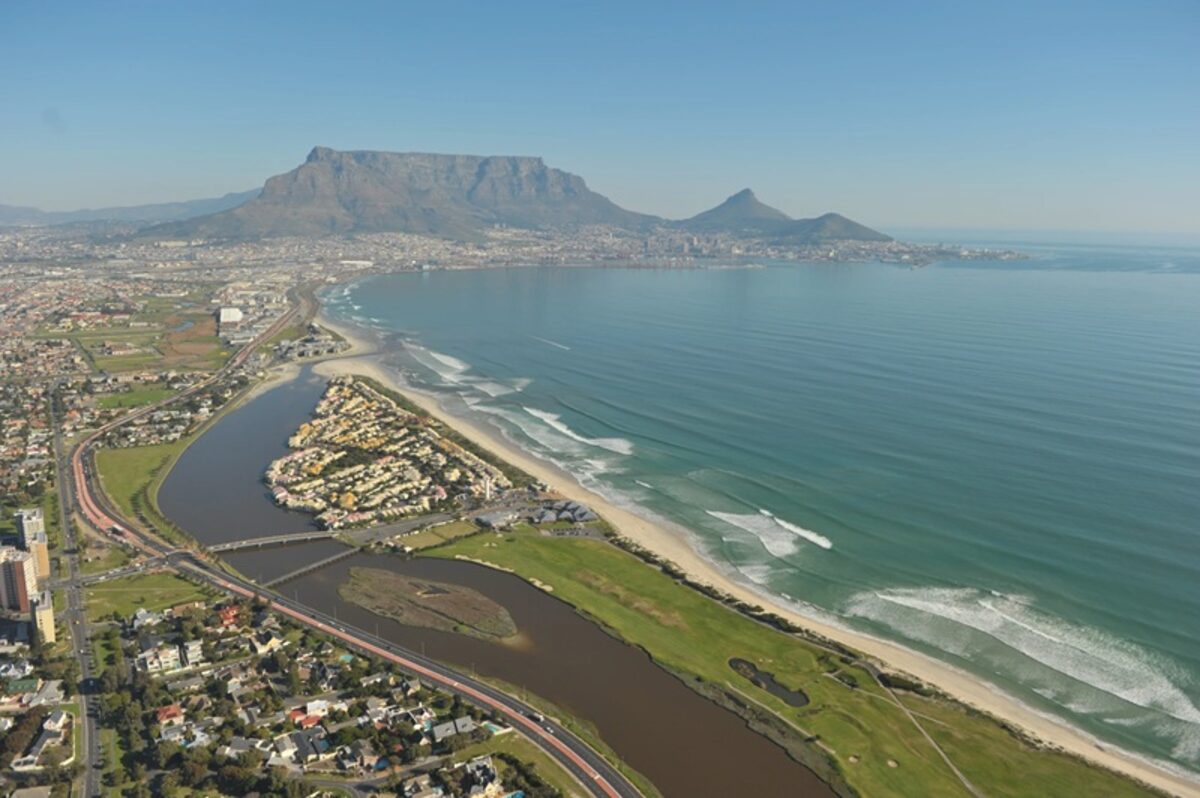

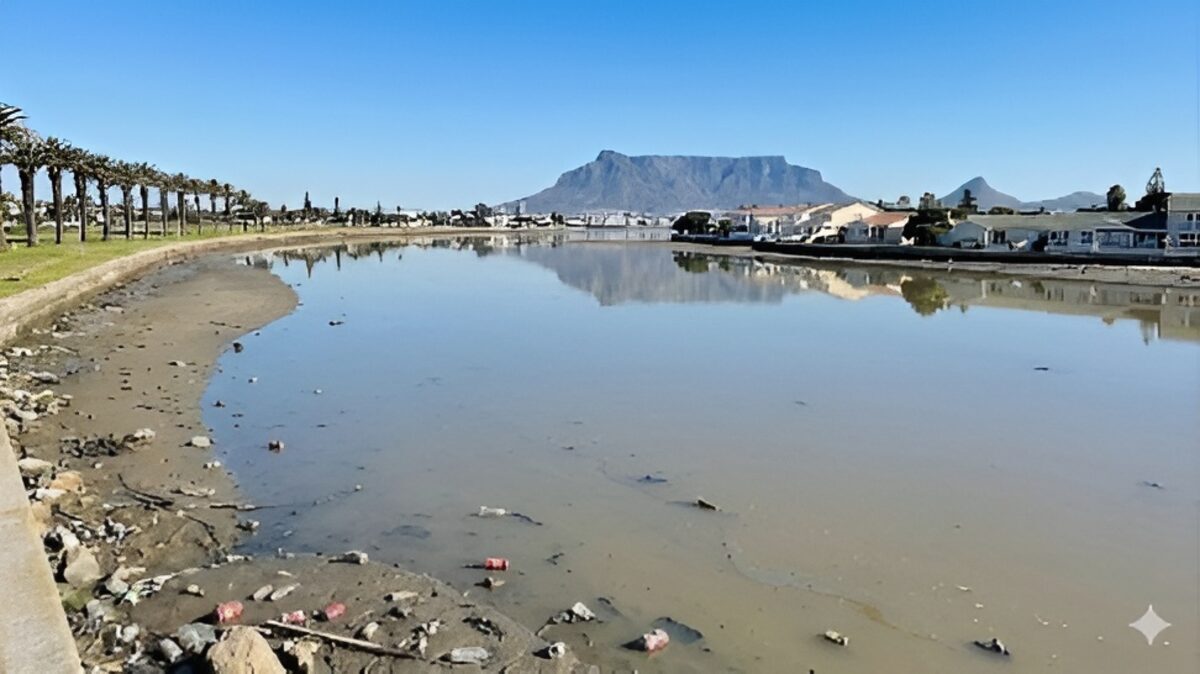
The City of Cape Town says its long-term restoration programme for the Milnerton Lagoon is beginning to deliver measurable improvements, with better water quality, the return of marine life and reduced odour complaints signalling positive environmental change.
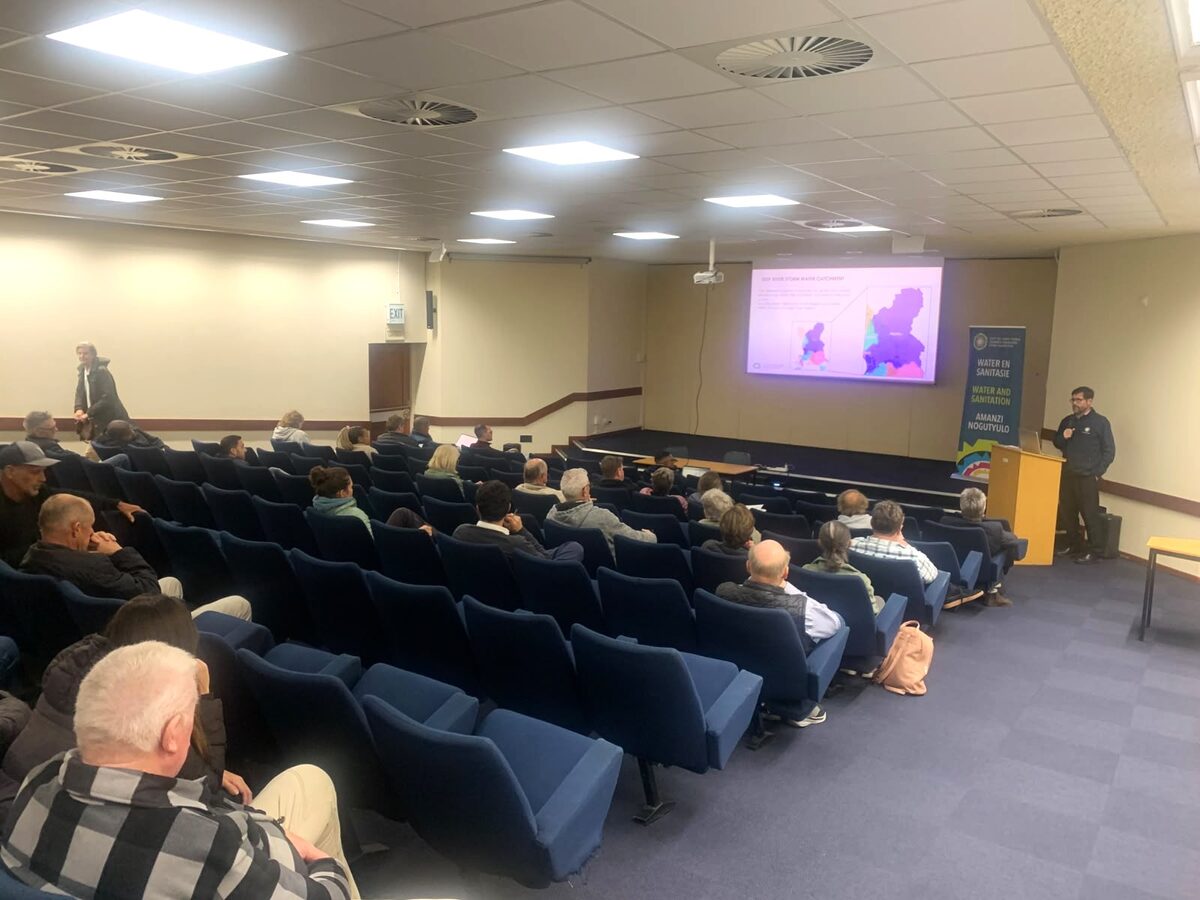
Residents received an update on the multi-year rehabilitation programme during a recent public meeting, where officials outlined progress on sewer infrastructure upgrades, wastewater treatment improvements and future environmental interventions across the wider Diep River catchment.
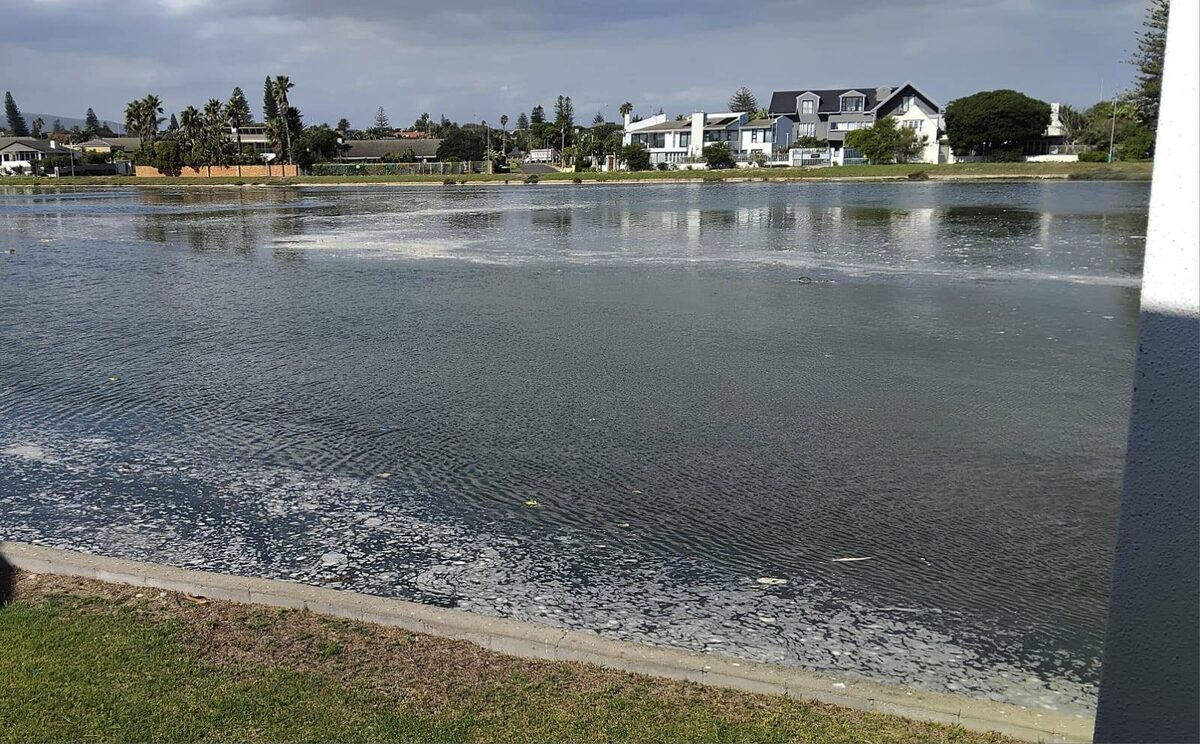
According to the City, recent winter rainfall and improving estuary conditions have increased dissolved oxygen levels, while salinity and sediment conditions within the lagoon have also improved.
One of the most encouraging signs has been the recent capture of a Southern Mullet high up the Diep River.
“The presence of this species so far upstream points to better oxygen levels and improving water quality. Although this is an early milestone in what will be a long-term restoration journey, it is a positive indication that conditions within the Milnerton Lagoon and river system are changing,” said Zahid Badroodien, the Mayco member for water and sanitation.
Water quality shows improvement
The City’s progress report highlighted significant investment in sewer and wastewater infrastructure throughout the catchment, which officials say is already reducing pollution entering the lagoon.
A major milestone has been achieved at the Potsdam Wastewater Treatment Works (WWTW), which recently recorded two consecutive weeks of 100% compliance across all measured final effluent quality parameters.
Badroodien said sustained compliance is expected once all phases of the plant upgrade have been completed and fully commissioned.
Major infrastructure upgrades continue
Preventative maintenance remains central to the City’s strategy, with more than 31 kilometres of sewer pipelines cleaned during the 2025/26 financial year.
Rehabilitation work is continuing across Milnerton, Century City and Montague Gardens to improve the reliability of ageing sewer infrastructure and reduce the risk of blockages.
All 56 pump stations within the Potsdam catchment are now monitored through a real-time telemetry system, allowing quicker fault detection and response.
Several pump station upgrades are also under way, including improvements at Koeberg Road, Du Noon, Phoenix, Table View East and Sanddrift East.
The City also responded to the collapse of the Racecourse Pump Station rising main during June. Emergency measures were implemented immediately and repairs completed within two days, limiting environmental impacts.
Potsdam plant reaches milestone
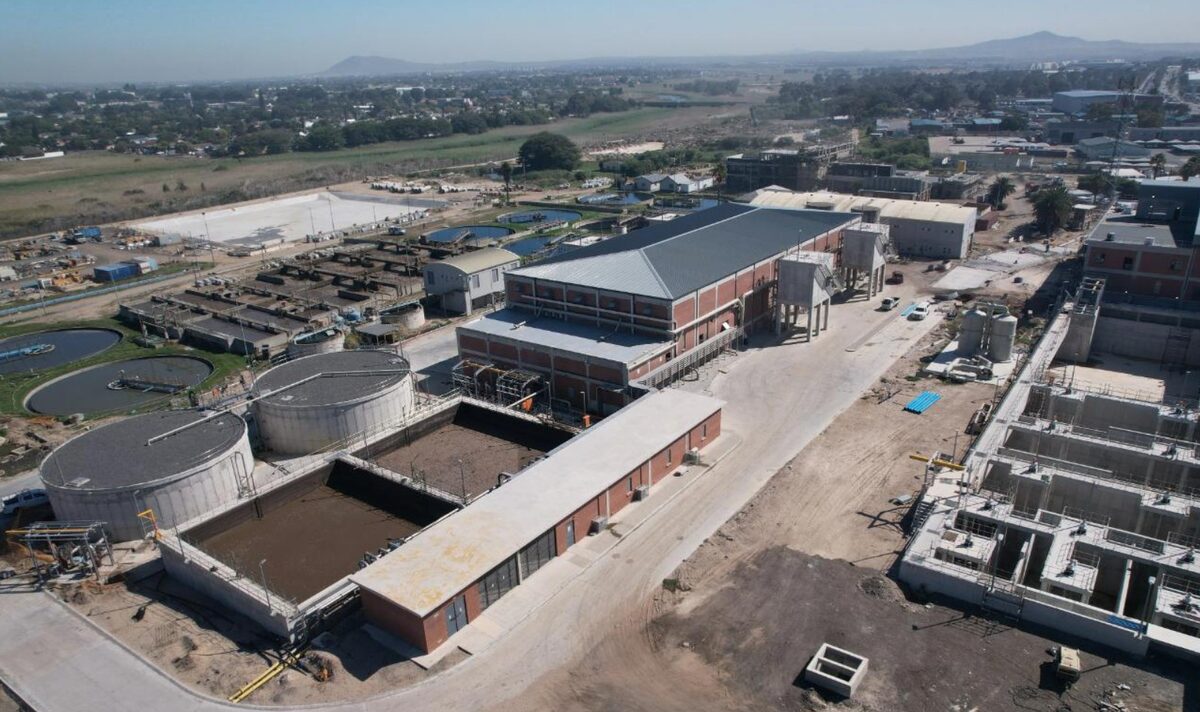
The ongoing upgrade of the Potsdam WWTW remains one of the City’s largest investments in improving water quality.
Ultrafiltration facilities have entered trial operation, dewatering facilities are operational and additional treatment units are expected to be commissioned during the course of 2026.
Once complete, the upgraded works are expected to significantly improve nutrient removal and the overall quality of treated wastewater discharged into the Diep River.
Odour complaints decline
The City also reported encouraging improvements in air quality. Monitoring conducted since February 2025 shows that the World Health Organisation’s daily health guideline for hydrogen sulphide has not been exceeded.
While nuisance odour incidents occurred regularly during 2025, officials say these have declined significantly during 2026 due to improved wastewater management and fewer pollution incidents.
“While there is still important work ahead, the improvements that we are seeing demonstrate that our integrated approach is delivering results. The combination of proactive maintenance, major infrastructure investment, environmental monitoring and long-term rehabilitation will continue to improve the health and resilience of the Milnerton Lagoon and the broader Diep River catchment for years to come,” said Badroodien.
Dredging plans remain under appeal
The next major phase of the restoration programme involves dredging the lagoon. Although environmental authorisation has been granted, eight appeals have been lodged against the decision.
The City said procurement for the dredging project will only resume once the appeals process has been concluded.
If the authorisation is upheld, dredging is expected to begin during early 2027.
TygerBurger previously reported about numerous concerns and backlash from residents regarding the lagoon’s dredging plans.
Gregory Nortje, an architect who has lived along the lagoon on Woodbridge Island for three decades, said the current dredging proposal has not been fully thought through. The City planned to dredge a narrow central channel and deposit sludge along the banks, forming raised mud berms. Nortje warned this could transform the lagoon dramatically. “This beautiful wide body of water will be reduced to an ugly, muddy thing which no one wants.” He added that the sludge banks, likely to consist of sewer-contaminated material, could pose both a health risk and an environmental concern. “The banks will most likely smell and be a health hazard as they are full of bacteria and sewer solid remnants. ”Residents are not opposing the project outright, he said, but are calling for a delay until other infrastructure upgrades are completed and alternative disposal methods for dredged material are explored.
Community group raises concerns
Environmental advocacy group Rethink The Stink welcomed improvements in air quality but questioned aspects of the City’s latest report.
In a statement following the public meeting, the organisation said it remained concerned about what it described as sporadic poor-quality treated effluent discharged from the Potsdam WWTW between February and May this year.
The group said the City’s explanation that the decline resulted from a temporary change in the discharge point was unconvincing and called for greater clarity regarding elevated E.coli levels recorded downstream of the treatment plant.
Rethink The Stink also questioned whether the proposed dredging project would provide lasting ecological benefits, arguing that it could disturb recovering ecosystems and significantly alter the lagoon’s appearance by creating extensive mudflats during low tide.
The organisation said it expects a decision on the appeals during August. Should the project receive final approval, dredging is anticipated to begin in early 2027.
ALSO READ: Milnerton Lagoon dredging plan sparks backlash from residents