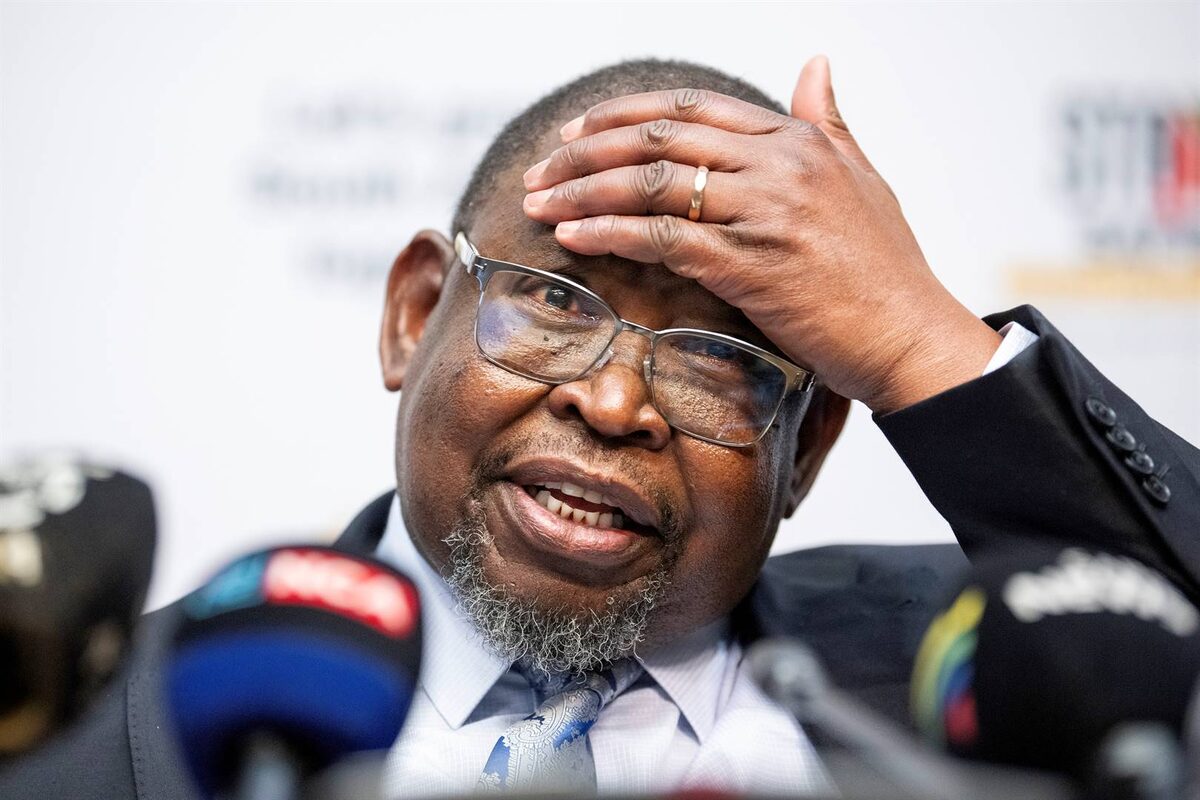
Finance minister Enoch Godongwana will deliver the Medium-Term Budget Policy Statement (MTBPS) in the National Assembly this afternoon, with economists and analysts expecting him to tackle five critical challenges facing South Africa’s economy.
The minister faces the tough task of balancing fiscal consolidation with the need to support growth and job creation, while managing mounting debt-service costs that are squeezing out spending on infrastructure and social services.
Debt-service costs crowding out spending
Debt-service costs have become the single biggest pressure on the national budget, consuming more than 21% of government revenue. These costs are expected to rise from R420,6 billion this financial year to R469,3 billion by 2028/29, leaving less money available for infrastructure, healthcare, education and social development. While government debt as a percentage of gross domestic product (GDP) is expected to stabilise at about 79% and then decline slightly, the actual debt burden continues to grow in rand terms, from R6,12 trillion to R6,94 trillion over the medium term.
Weak economic growth
South Africa’s economic growth remains too weak to create enough jobs or improve living standards. National Treasury forecast GDP growth of 1,6% for 2026, while the South African Reserve Bank projects just 1,2% growth after the economy contracted by 0,2% in the second quarter. Even the Treasury’s more optimistic forecast shows growth reaching only 2% by 2028, far below what is needed to reduce unemployment. The gap between these forecasts highlights uncertainty about the economy’s ability to recover from persistent structural bottlenecks.
Record unemployment crisis
Unemployment remains South Africa’s most severe social and economic challenge. The official unemployment rate climbed to 33,6% in the second quarter of 2026, up from 32,7% in the previous quarter. Employment fell by 16 000 to 16,7 million people, while the number of unemployed increased by 345 000 to 8,5 million. Even more concerning, only about four in every ten working-age adults are employed or actively looking for work, down from more than 43% before the COVID-19 pandemic. At current growth rates, fiscal consolidation alone will not materially reduce unemployment.
Infrastructure and structural reform delays
Bottlenecks in electricity supply, rail and port operations, water infrastructure and transport continue to constrain investment and hold back potential growth. Analysts say faster implementation of reforms in these areas is critical to lifting the economy’s growth potential. The budget must show how government plans to accelerate infrastructure investment and structural reforms while maintaining fiscal discipline. Delays in addressing these constraints mean the economy cannot grow fast enough to absorb unemployed workers or generate the tax revenue needed to reduce debt.
ALSO READ: Political parties call for fuel relief, job creation ahead of mid-term budget
Fiscal anchor and sustainability framework
The 2026 Budget promised to introduce a principles-based fiscal anchor requiring each new administration to table a medium-term plan to maintain fiscal sustainability. Analysts expect Godongwana to provide details on this framework in today’s statement. The International Monetary Fund has recommended South Africa adopt a credible target of reducing debt to about 70% of GDP by the early 2030s, moving towards a longer-term anchor of 60%. The framework will also need to address risks from state-owned companies, which remain a contingent liability that could force future government bailouts.
The minister is also facing pressure from trade unions and the public to provide fuel price relief.
The MTBPS will be tabled at 14:00, after which the finance and appropriations committees must hold public hearings with stakeholders. Godongwana will also table the Adjustments Appropriation Bill, which allows departments to apply for budget adjustments and additional funds for unforeseen expenditure.
ALSO READ: What you can expect from the Finance Minister’s mini-budget