

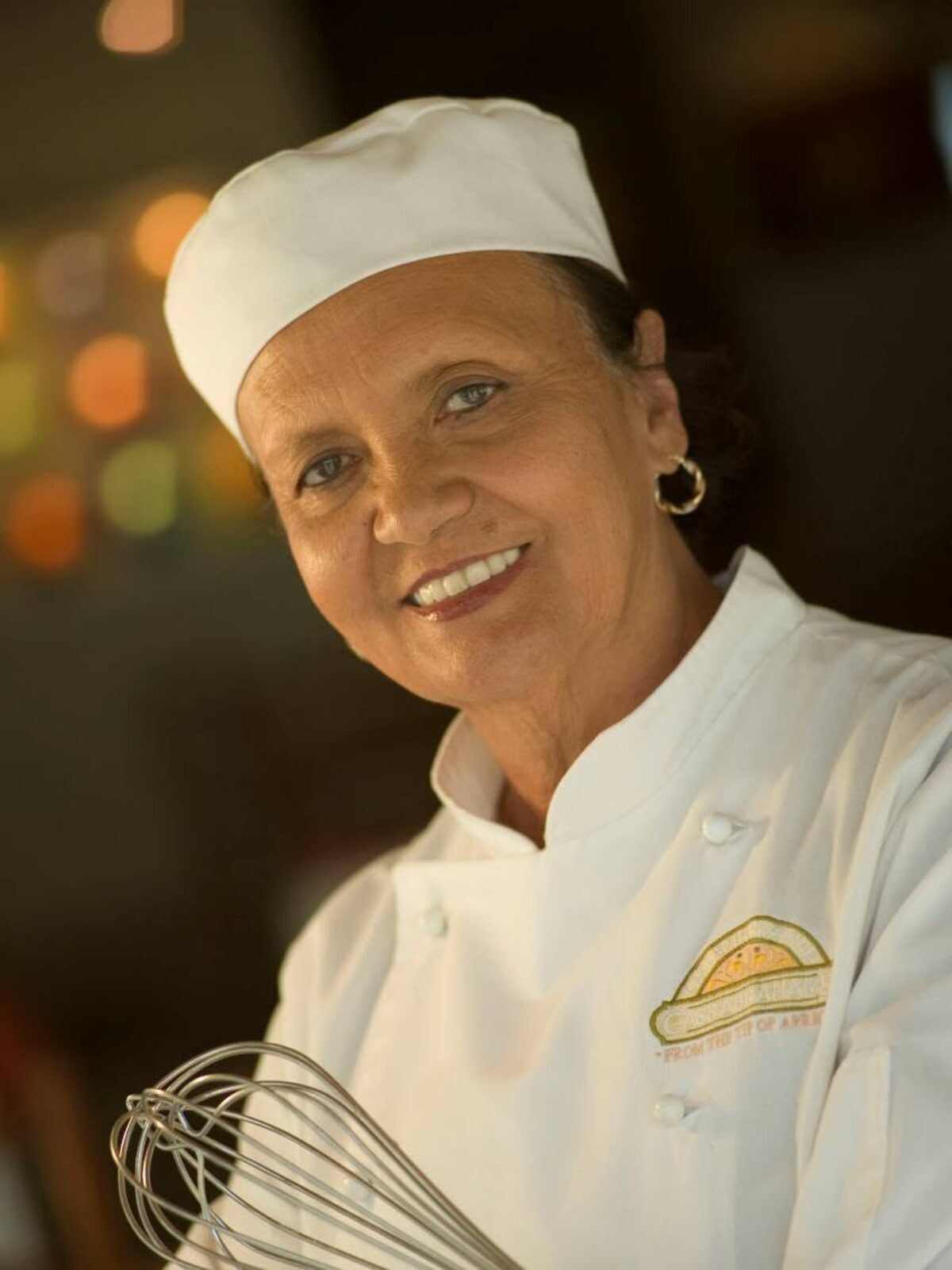
Cass Abrahams, “the queen of Cape Malay cooking”, died on 8 August at the age of 83.
An outpouring of memorial tributes to this renowned Cape Town culinary personality appeared across social media.
Biography
According to Wikipedia, Abrahams was born in 1943 in Gauteng and worked as a science and biology teacher for 17 years before completing a BA in social sciences and working as a school psychologist.
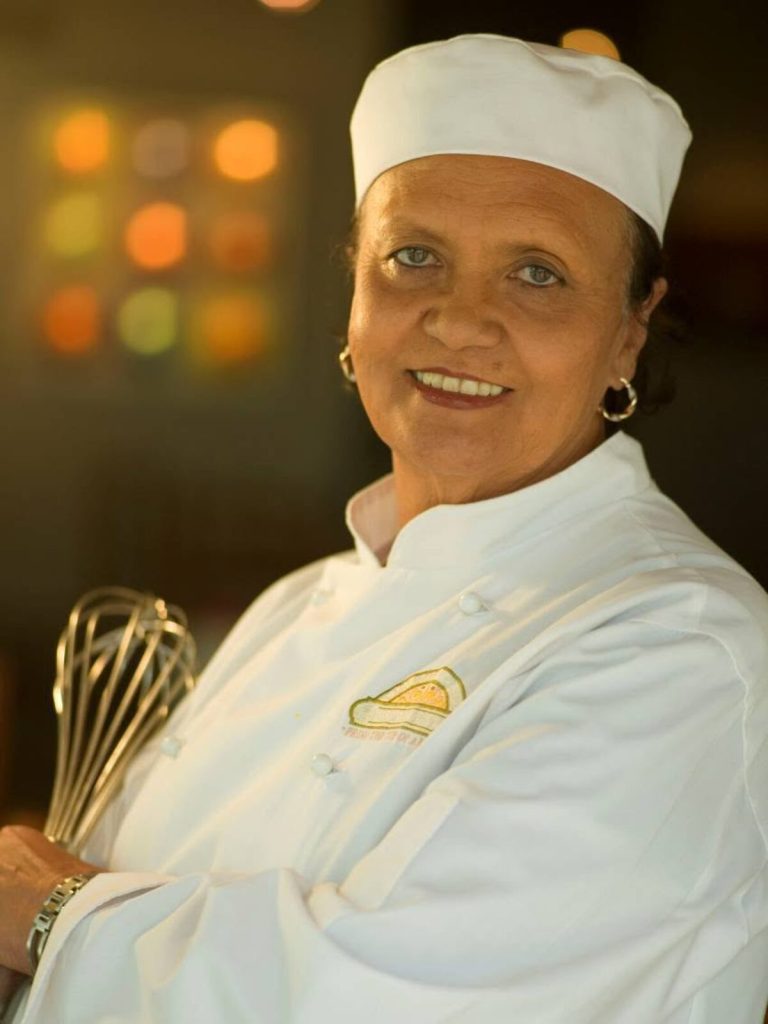
She had no formal training as a cook or chef, but according to a post on Cape Fusion Tours, her introduction to “Cape Malay” food (the term “Malay” is recognised as a misnomer, for Cape Muslims largely have their origins in 17th-century Indonesia, then the Dutch colony of Batavia, and their ancestors were brought over largely as slaves; the term is considered pejorative by many) came mainly through domestic circumstances, a marriage to a Muslim man named Jowa, which compelled her to boost her culinary skills, which she did purely through research and observation, particularly the cooking traditions followed by Cape Muslim women.
Learning from the community
She joked that the research was easy because she had been forcibly removed to a “coloured” area under apartheid Group Areas Act and would simply go from door to door, drinking tea with the older generation and collecting their recipes and culinary tips.
She would research the recipes largely by testing them, if only to find the best variations of each dish, the Cape Fusion post said.
It was in the context of consolidating all of this that she observed traditional Cape dishes were disappearing and hence felt a strong desire to document them.
A cookbook that kept vanishing
Abrahams went on to publish two cookery books, which went on to become so popular they were known to be stolen frequently from people’s homes or often were never returned when borrowed. According to the Cape Fusion post, she joked it was the most stolen cookbook in the Western Cape.
Her books, The Culture and Cuisine of the Cape Malays and Cass Abrahams Cooks Cape Malay: Food from Africa, presented recipes within their cultural and historical context.
Abrahams’ autobiographical cookery book, A Life with Food, co-written with Marike Bekker, was published in 2015.
She also hosted the kykNET programme Cass se Kombuis, which explored the diverse cultural influences on South African cuisine.
Abrahams ran cookery classes, advised restaurants and food businesses, and promoted Cape Malay food locally and internationally. She shared her knowledge through radio appearances, magazine features, cooking demonstrations at trade shows and annual visits to share spices and stories with trainee chefs at the Silwood Cookery School, the post said.
How apartheid shaped Cape food
The Cape Fusion post went on to describe how during apartheid the job of chef became a white-designated role. Hotels brought chefs from the UK, and popular food shifted to dishes like lasagne and chicken à la king, served with a Greek salad and garlic bread, it pointed out.
“The Cape Malay cuisine disappeared into the kitchens of the community. The kids wanted to be modern and the traditional dishes started disappearing.”
Abrahams was described as a warrior fighting to keep the cuisine alive.
She was also known for sharing recipes freely. One such recipe, for “Tomato Bredie”, she posted for someone she had met at the Bay Harbour Market.
“Cass used her voice to share the love of the cuisine and the recipes,” the post related. “She spoke on the radio, appeared in magazines, cooked at trade shows and went every year to share the spices and stories with the young trainee chefs at Silwood.”
Tributes have poured in from across the food community.
On Facebook a cousin remembered Abrahams for imparting “so much knowledge and wisdom, especially in the hospitality industry” and for sharing her “Denningvleis” recipe.
“You will be deeply missed and forever remembered,” she wrote. “Rest peacefully.”
Another tribute said: “RIP Cass. You have touched so many lives with your wisdom and charm. Sincere condolences to the family.”
Pamela McOnie, posting in the Cape Town Eats Group on Facebook, described Abrahams as “my hero and one of the strongest and most inspirational women I have ever met.”
She said her biggest wish was that the city would embrace its legacy of spices, celebrate traditional dishes and pass the legacy on to children and chefs.
Abrahams’ daughter, well-known actress Rehane Abrahams, posted a tribute on her Facebook page. She wrote: “Mama Diva Goddess Temple. You are Grace and Power in Living and Dying and Beyond. How like you to exit this plane on the Lions Gate Portal — a Grand Exit through Isis and Sirius for a proud Lioness. We shake the tables, we stir the pots, we serve with you always ms ma’am Cassandra Magnolia Dorothea.”
TygerBurger reached out to the Abrahams family, but they declined to comment.
Cass Abrahams’ “Tomato Bredie” (from her Facebook page)
Ingredients:
- 2 large onions, sliced
- ¼ tsp peppercorns
- 4 cloves
- ¼ tsp ground allspice
- 125 ml water
- 25 ml vegetable oil
- 2 sticks cinnamon or cassia
- 1kg lamb, thick rib or shoulder, cut into pieces
- 2 cardamom pods
- ¼ tsp ground ginger
- 5 ml garlic paste
- 1 can (410g) chopped tomatoes
- 1 can (410g) tomato puree
- 1 green chilli
- 4 medium potatoes, peeled and halved
- Salt, pepper and sugar to taste
- Chopped parsley for garnishing
Method:
Place onions, peppercorns and cloves into a large saucepan. Add water and boil until all the water has evaporated. Add the oil and fry onions until golden.
Add the meat, cinnamon, ginger, allspice, garlic and cardamom pods. Lower the heat and simmer until the meat is almost cooked. Add the tomatoes and potatoes and cook gently until the potatoes are cooked and the meat is very tender. Season with salt and pepper. Taste, then add sufficient sugar to counteract the acidity of the tomatoes.
ALSO READ: South African World Cup midfielder Jayden Adams dies at 25


You must be logged in to post a comment.