

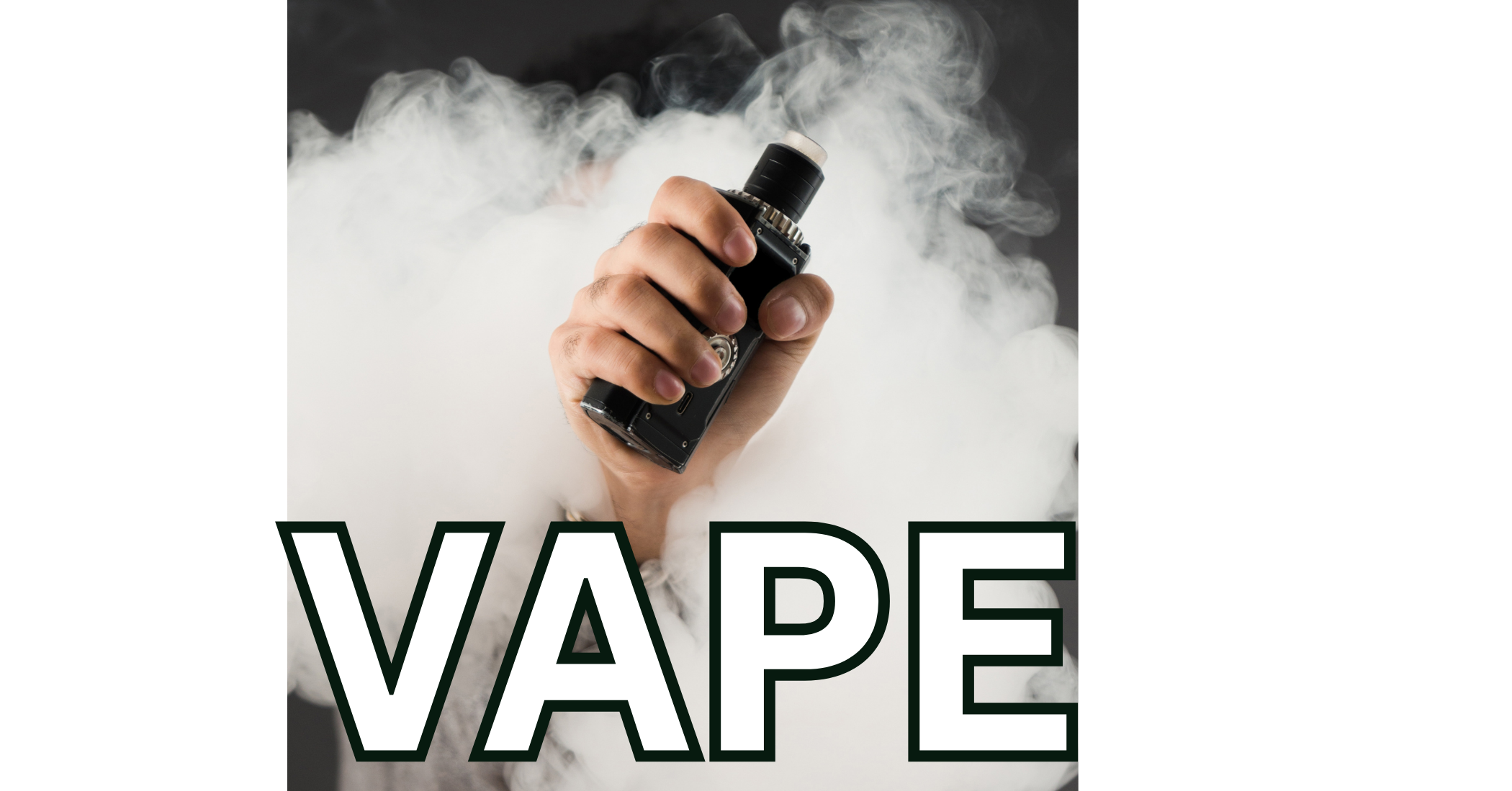
A perverse belief among some young people that vaping or smoking through a water-filtered hookah pipe is not harmful to their health must be urgently corrected.
Harmless
“There is a perception that vaping is harmless, but it is harmful and highly addictive. Young people who start using e-cigarettes are more likely to go on to smoke cigarettes,” says Dr Mahomed Seedat, a pulmonologist and specialist physician practising at Netcare Hospital.
“Previous generations favoured cigarette smoking, but today some young people, including schoolchildren, think it is cool to vape. Many vaping products are available in eye-catching colours and flavours, and this can make them attractive to young people. Vaping is marketed as a lifestyle rather than a habit. In reality, it delivers concentrated nicotine vapour deep into the lungs far more efficiently than cigarettes do. As vaping can be virtually odourless, indoor vaping becomes more convenient, and people may develop the habit of vaping almost continuously, thereby amplifying the damage.”
Research suggests that vaping patterns may lead young people to develop heavier cigarette smoking in the future, which is even more cause for concern. Seedat explains that our lungs contain a network of airways, including small airway tubes called bronchi and smaller bronchioles. “Vaping causes irritation and inflammation in the airways, causing them to narrow, which is experienced as coughing or wheezing,” he says.
“The lining of our airways, the bronchial epithelium, contains tiny cells that act as brushes, clearing mucus and other particles from our bronchi. These cells are damaged by smoking or vaping, causing localised inflammation in the airways, and significantly reducing the body’s ability to fight infection in the lungs. The tiny air sacs in our lungs, where oxygen and carbon dioxide are exchanged during breathing, are called alveoli. Smoking and vaping can be severely toxic to delicate lung tissue, and there is a heightened risk of several forms of pneumonia.”
Pneumonia
Pneumonia can progress to severe lung injury, particularly when the lungs are already damaged by vaping or smoking. In severe cases, the condition may require mechanical ventilation to keep the patient alive until they recover.
“Smoking and vaping can also affect brain function, including focus, concentration, impulse control, mood changes, and euphoria. This is not to mention the risk of cancer, which should be a major concern for young people’s future,” he says.
Hookah pipes, also known as shisha or hubbly bubbly, which are popular at certain bars and parties, are another source of concern for the pulmonary health of those who use them. “People believe the water in shisha pipes filters out toxins and harmful particles from the smoke, but medical studies have shown the smoke remains highly toxic. Smoking a single shisha is estimated to be equivalent to smoking 20 to 30 cigarettes in one sitting.”
Sharing pipes
In addition, sharing hookah pipes, especially when the mouthpiece is not changed between users, increases the risk of transmitting infectious diseases. Studies suggest that shared shisha mouthpieces can harbour viruses and bacteria associated with respiratory illnesses, including Mycobacterium tuberculosis, as well as Aspergillus and other spore-producing fungi.
“It is important for young people to understand the effects of vaping and smoking on their bodies. I would encourage parents to make their children aware that vaping or smoking in any form has real health consequences. We have only one set of lungs, and they must last us a lifetime. If you need help to stop vaping or smoking, speak to your GP. Any persistent cough, wheezing or tight chest should be medically investigated,” Seedat concludes.
ALSO READ: Police warn parents over underage vape sales during safety meeting at school