

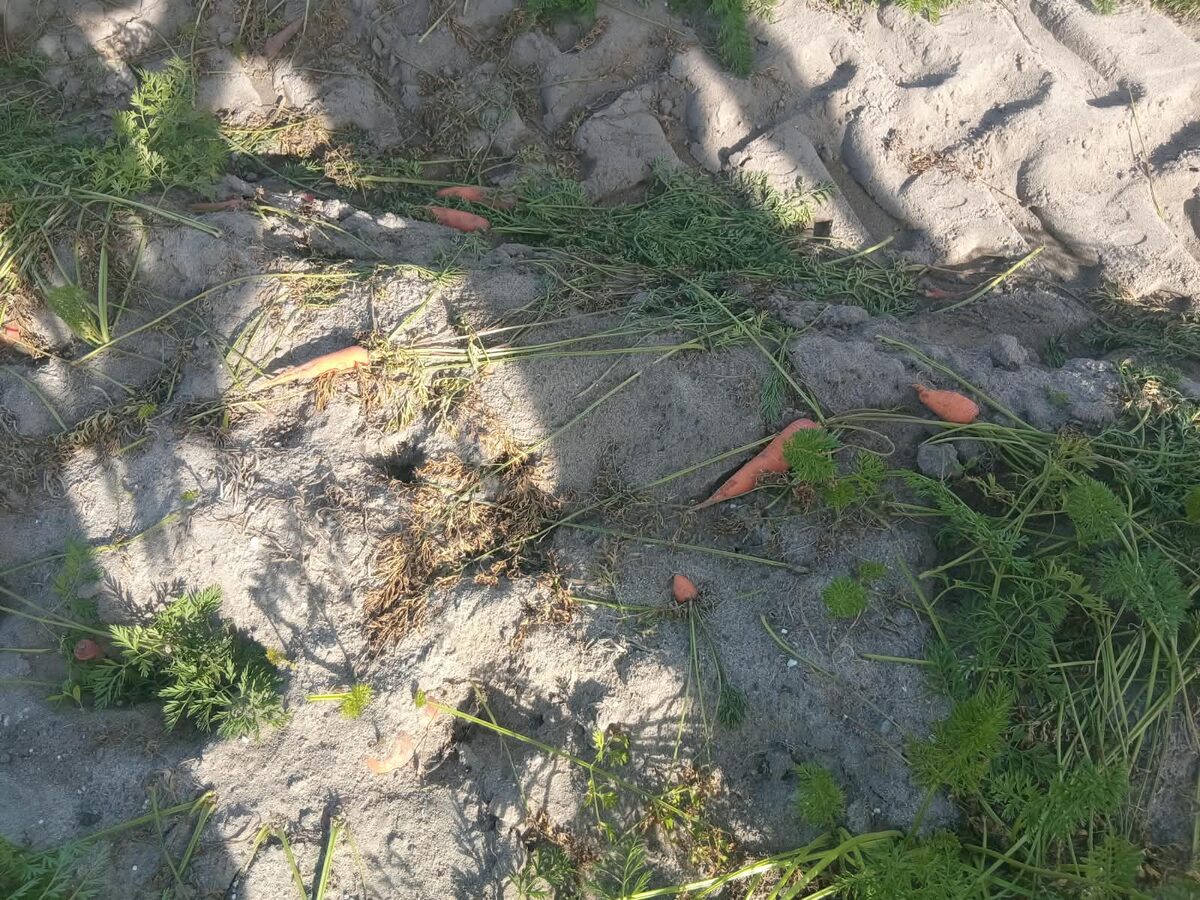
Farmers in the Philippi Horticultural Area (PHA) feel they are under siege.
Theft on farms — from carrots to cables — is causing severe financial losses, and several of the smaller farms in the province’s bread basket have already been forced to close. Security is also costing farmers not only a small fortune but the loss of their guards’ lives.
The farmers say the problem affects more than just the immediate area because they supply markets all over the country. The continued losses cause not only a rise in prices in the short term but may cause more farmers to leave, which could upend the city’s fresh produce economy in the long term.
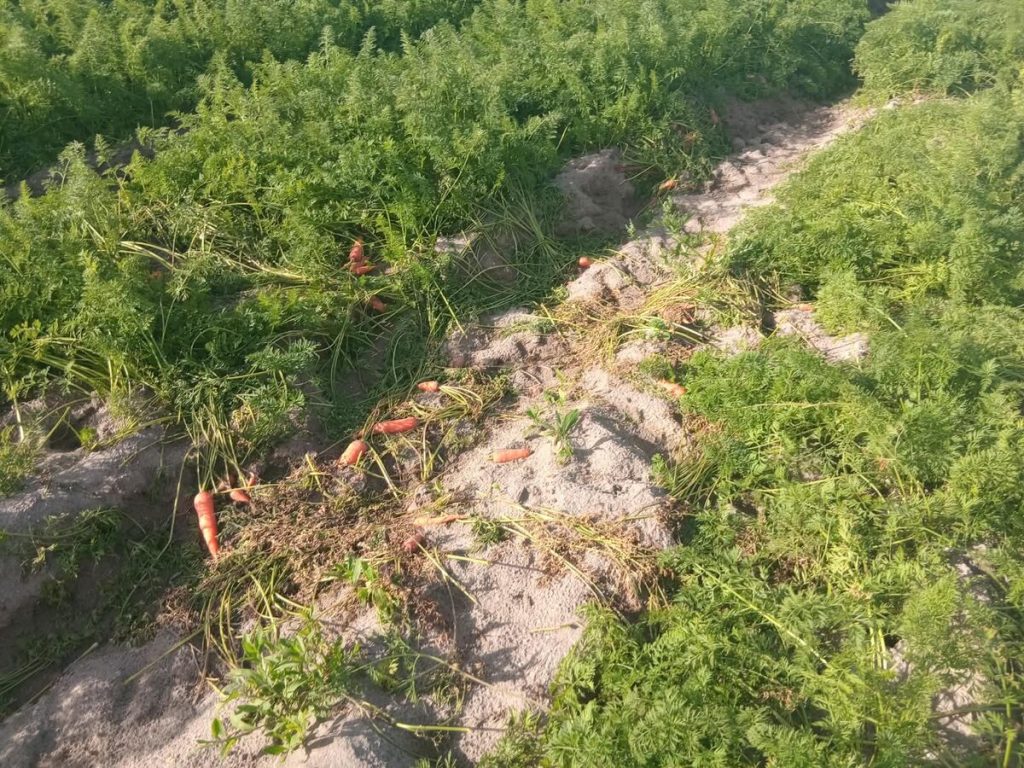
Not hunger theft
Gunther Rix, AfriForum’s head of security for the PHA, said theft was a regular occurrence. Part of the problem, he said, was the difficulty in laying charges.
“When they lay a charge at the Philippi police, it is always difficult to open the case because they must prove it’s their crop,” he said. Rix, who is also the chairperson of AfriForum’s Farm Guard, said an influx of jobless people had changed the nature of theft in the area.
“When I was younger, we used to joke that you plant extra for the person that comes to take something for the house,” he said. “In the last 10 to 15 years, it turned into a business for people to steal your produce to sell it.”
“They are taking away your economic viability,” he said. “Every evening’s theft adds up to lots of money.”
Gunther Engelke, who farms flowers in Schaapkraal and is chair of the Philippi Farmers Association, said the thieves were harvesting.
“They come with a bakkie, they put teams in. They’ve got 8 to 10 people harvesting a bakkie load.”
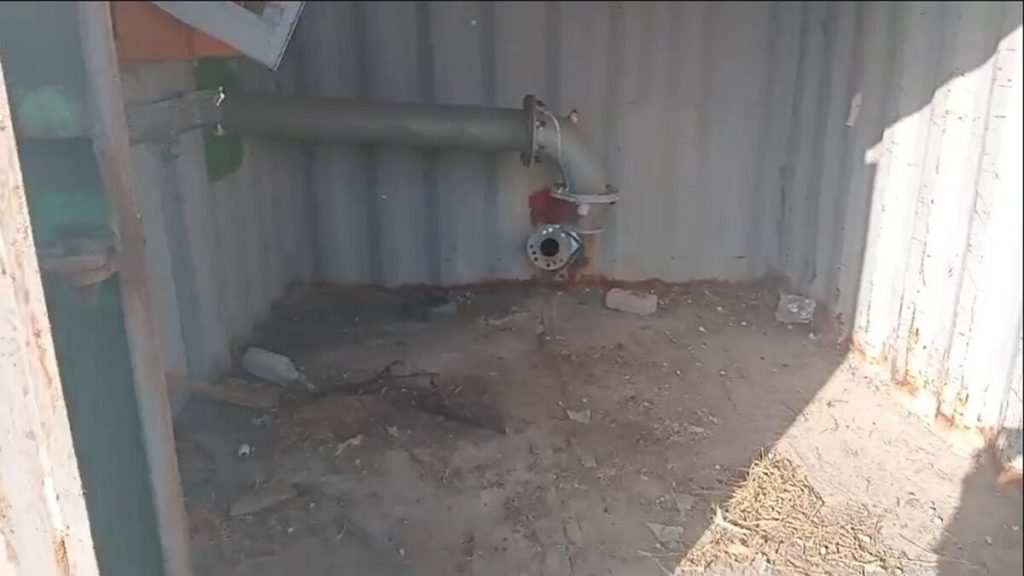
Johan Terblanche, who has been farming in Schaapkraal for more than 60 years, said the surge in theft over the last 10 years had become debilitating, with single thefts at boreholes and water pumps sometimes costing more than R100 000.
“That’s not someone that’s stealing because they’re hungry,” he said.
Counting the cost
Engelke estimated that on a single farm, a minimum of R1 000 worth of produce was stolen every night, amounting to R30 000 a month.
“The flowers they stole, it just takes three or four arms full and they’ve stolen R2 000 worth of flowers,” he said.
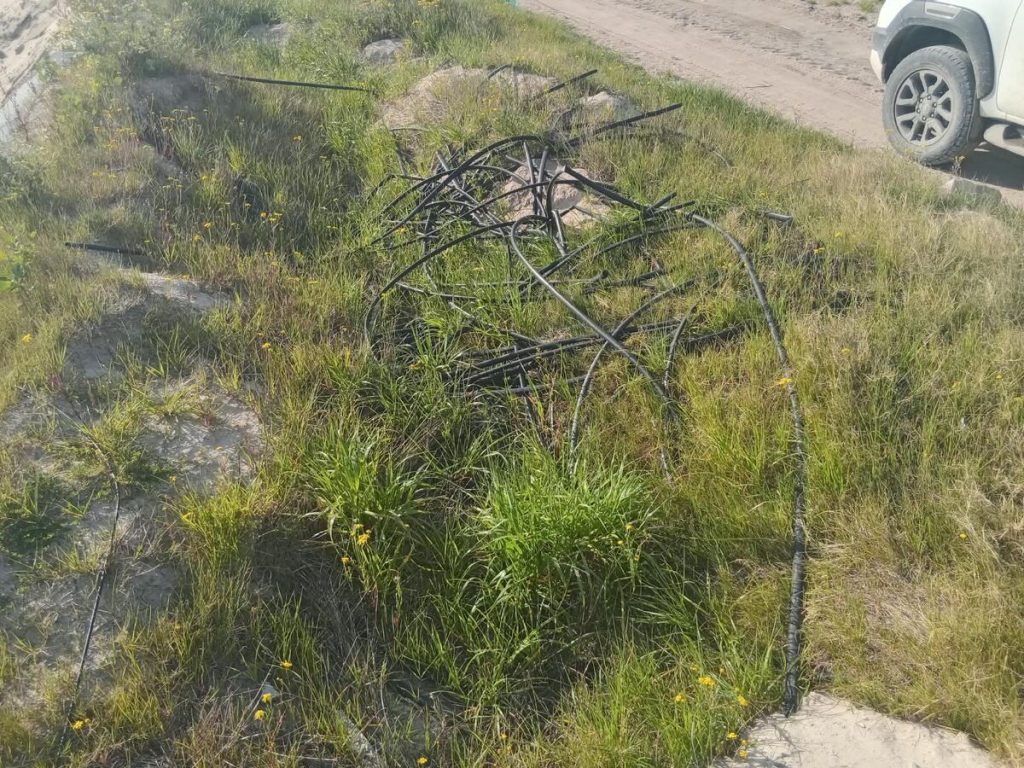
Rix said pumps and cables were broken, causing hundreds of thousands of rands worth of damage.
“You can’t employ enough security to look after your product and your infrastructure to make it viable,” he said.
Engelke said he had ripped up all the electricity on his farm that he had used in his tunnels for lighting and irrigation because the theft was so bad.
“You can’t think into the future,” he said. “You’ve got to think in survival mode.”
A failing justice system
Rix said farmers struggled to get cases through the justice system.
“The court will say the suspect stole R500 worth of produce, but what they don’t know is that it’s not the first time,” he said.
Rix said they received good support from metro police, but it was when matters went to court that things fell apart.
“Cases go missing,” he said. “We need a system to work because the guy goes to the station and tomorrow he’s on the street again to steal again.”
Engelke said farmers no longer bothered going to the police.
“We don’t even go to the police anymore, because we can’t waste our time sitting at a police station for two to three hours,” he said.
“Law and order is not being applied,” he said. “You catch somebody stealing a product. The police don’t even want to come out. If they go to court, the judge says, ‘But he stole only 100 cabbages.’ They get out within a week, they’re back, they do the same thing.”
Terblanche said he had experienced three farm attacks and never saw a detective afterwards.
“No fingerprints, nothing,” he said.
Guards under threat
Terblanche said the security boss on his farm had been stabbed after thieves waited for him.
“They waited for him, they stabbed him,” he said. “So this is not any type of thief that you just get. They’re out there to do what they need to do to get the stuff.”
He said farmers had to put on bulletproof vests and carry guns to respond to incidents at night.
“That’s the kind of stuff you do at night when you should be sleeping,” he said.
Threat to food supply
Rix said the PHA had a rich history dating back to the late 1800s.
“We give lots of people work,” he said. “We just want to give people food and work, because Cape Town gets its food from us.”
Engelke said the PHA was the food basket of the Western Cape. The smaller farmers were the first to go because they could not afford the costs.
“We don’t know if the next generation is going to feel like farming in Philippi,” he said.
Terblanche warned that if key farmers decided to stop, nobody in the area would be able to supply produce.
“The prices are going to go up,” he said. “All the infrastructure will collapse and it will be a big disadvantage for the surrounding people.”
Derelict houses fuel crime
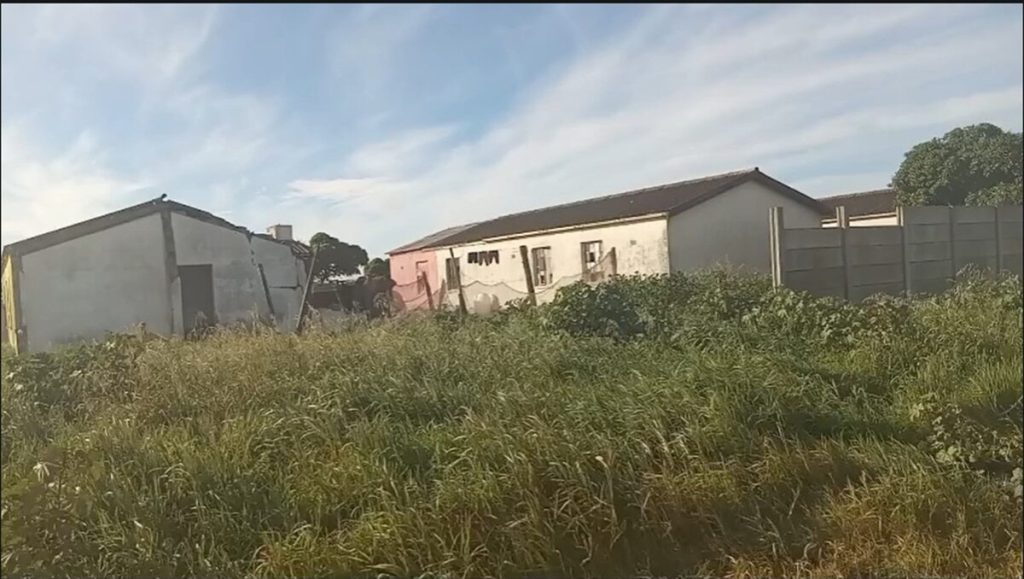
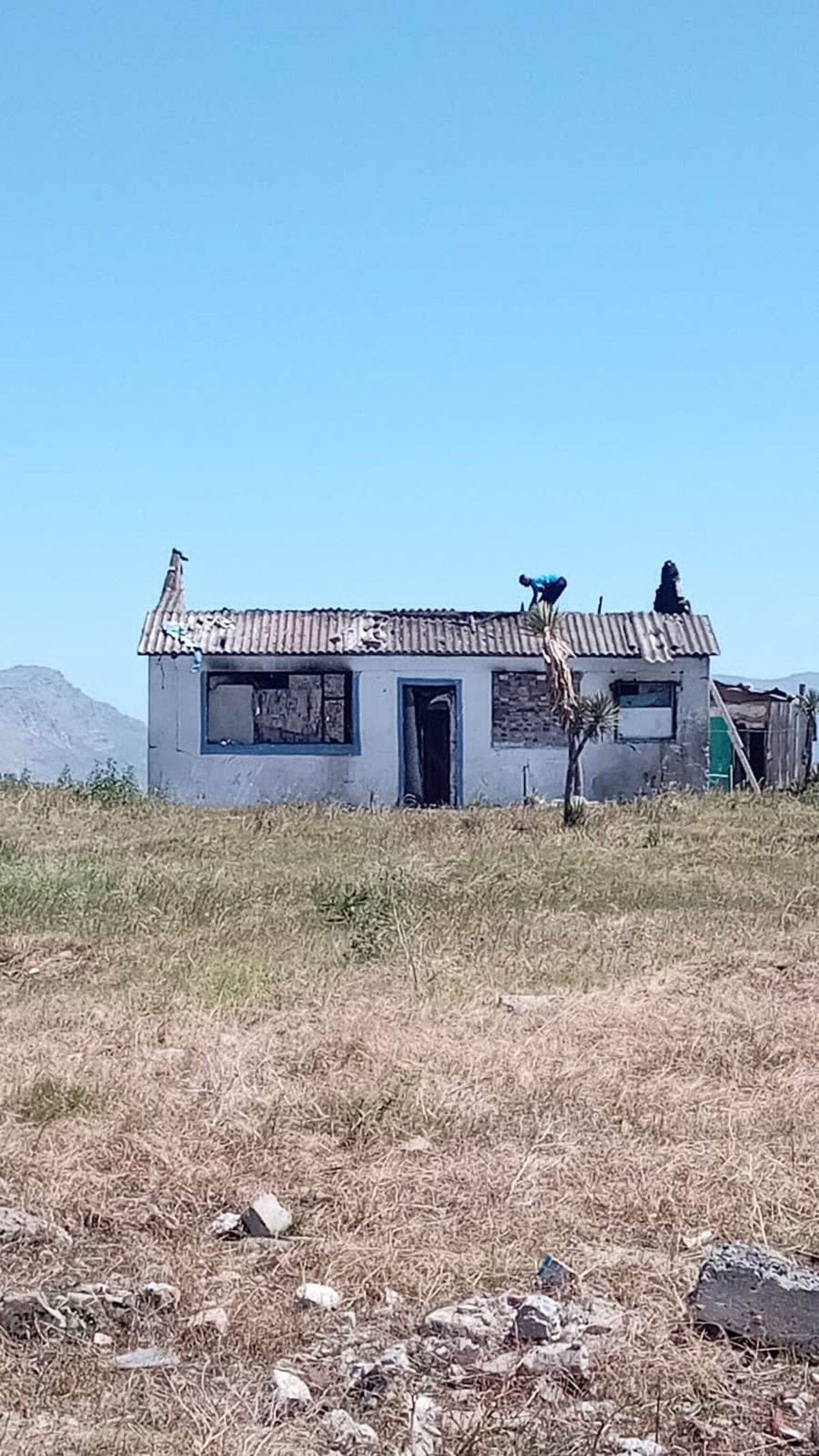
The farmers agree that a lot of the crime originates from derelict houses on the unfarmed section of Schaapkraal that has been taken over by the Department of Land Reform and Rural Development.
Ward councillor Elton Jansen has been trying to get at least one of the houses, in Punt Road, demolished. The hold-up is that illegal occupants first need to be evicted.
Jansen said the department had agreed to investigate the house.
TygerBurger asked police for comment. There was no response by the time of going to press.
ALSO READ: Land reform department to investigate Schaapkraal drug house



You must be logged in to post a comment.