

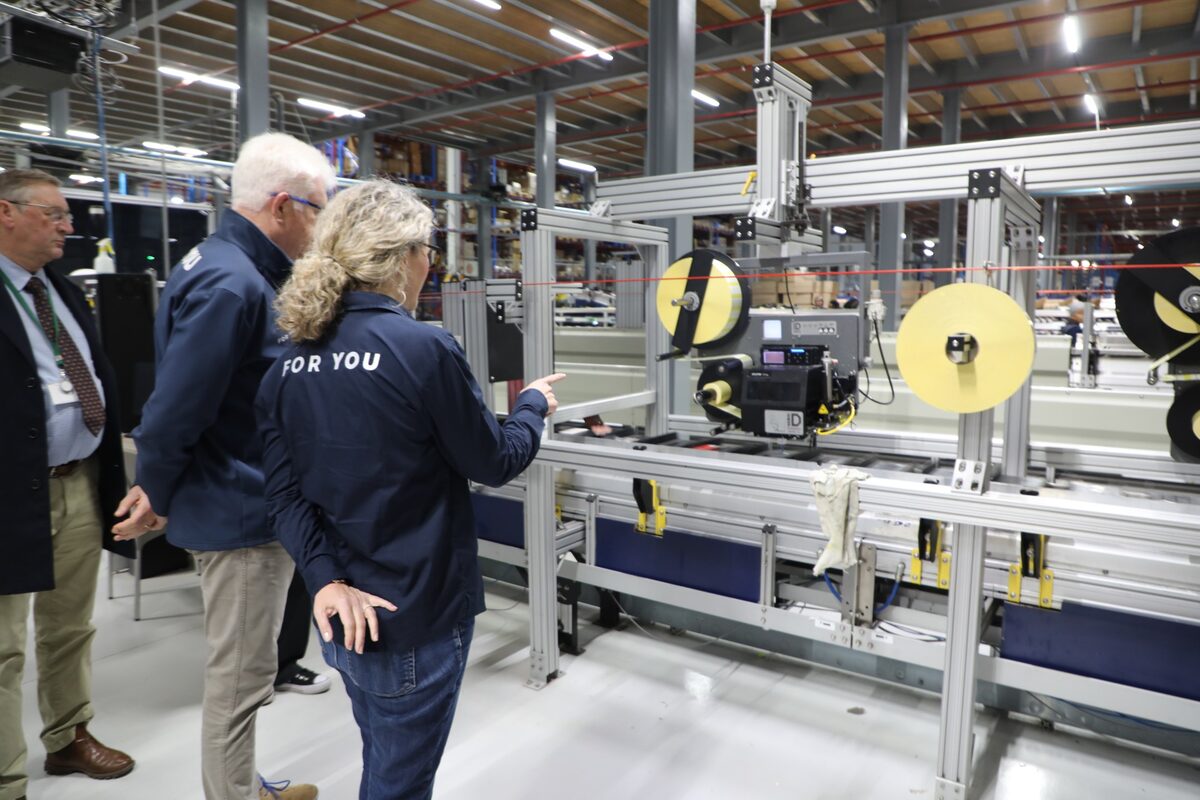
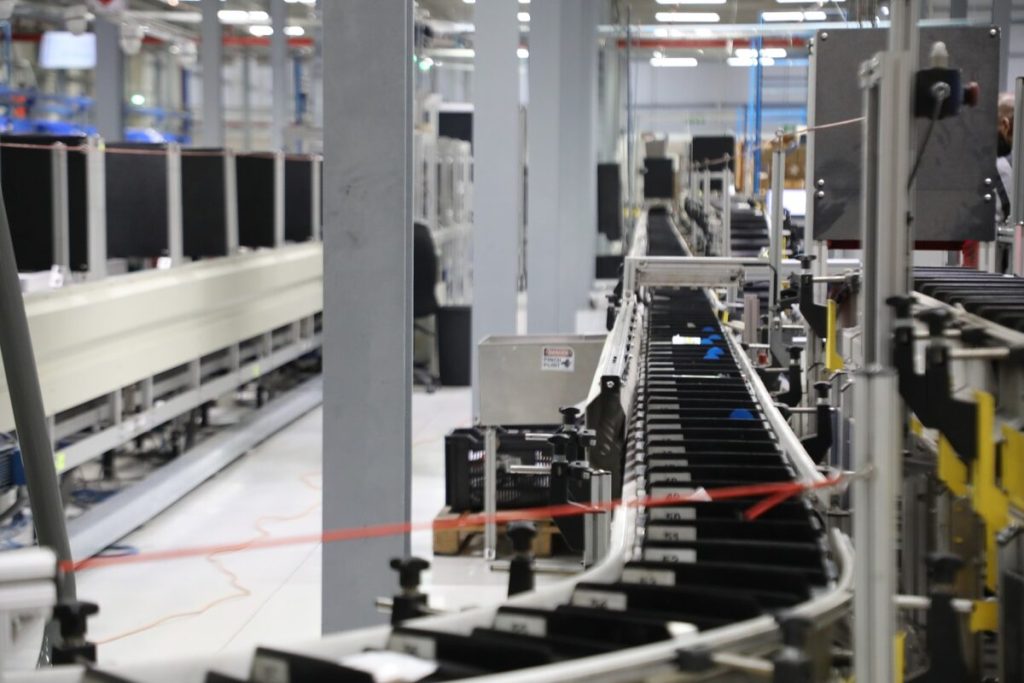
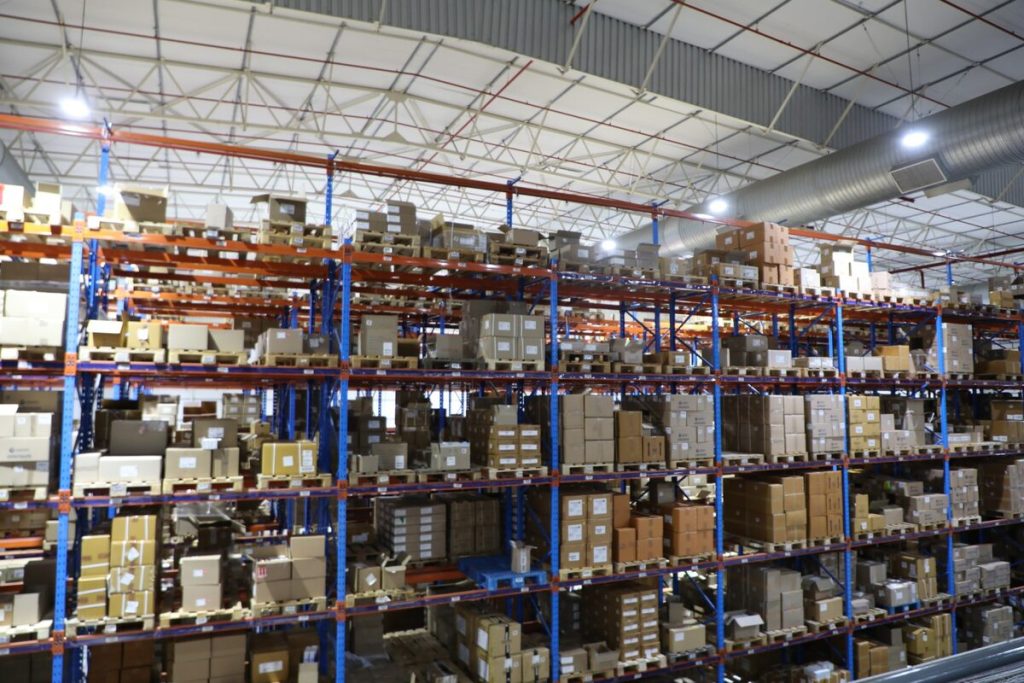
The Western Cape Department of Health and Wellness‘ Chronic Dispensing Unit (CDU) packs approximately 2 million individual medicine items into an average of 400 000 patient-specific parcels every month, distributing an average of R42 million in medication to health-care facilities and approved alternative collection points across the province.
A service that eases pressure on facilities
The CDU allows clinically stable patients to collect pre-packaged medication quickly and closer to home. This reduces queues and congestion at health-care facilities, giving health-care workers more time for counselling patients, attending to acute cases and caring for people who require clinical attention, the health department said.
Following a visit to the CDU, Premier Alan Winde said the scale of the operation demonstrated how effective systems could improve access to health-care and protect continuity of treatment.
“The size and scale of this operation are truly impressive, and the CDU plays an important role in buffering our medication stock levels. By maintaining sufficient stock to cover the following six to eight weeks, it helps us mitigate the effects of supply disruptions, supports treatment adherence and protects the health of our residents. This is about building a health-care system that is reliable, accessible and focused on patients.”
Growth over two decades
The scale of the service is reflected in the 3,26 million CDU encounters recorded during the 2025-’26 financial year. The CDU began distributing fewer than 1 000 parcels a month in 2005.
For Western Cape Minister of Health and Wellness Mireille Wenger, the service benefits both patients and the healthcare professionals caring for them.
“For patients, this service makes collecting chronic medication far more convenient. Instead of spending hours waiting at a clinic, a patient may be able to collect their medicine quickly on the way to work or from a collection point closer to home.
“This also enables better patient care. When stable patients do not need to wait inside a healthcare facility simply to collect medication, clinics are less congested and health-care workers have more time to counsel patients, attend to acute cases and support those who need clinical care.”
How the service works
The CDU processes and verifies prescriptions before packing medication for individual patients. Parcels are then delivered to health-care facilities and approved alternative collection points, including community centres, wellness hubs and e-lockers.
Patients receive a collection date, allowing them to collect their medication without waiting in long queues or, at some collection points, entering a health-care facility at all.
Reminders for patients
Approximately 6% of parcels delivered to healthcare facilities are not collected. Patients receive SMS reminders ahead of their collection dates and are encouraged to keep their cellphone numbers up to date at their local facilities.
“By bringing chronic medication closer to patients and freeing health-care professionals to spend more time caring for those who need them the CDU is helping us build a healthcare system that treats every resident with care and dignity.”
Clinically stable patients who take chronic medication are encouraged to ask the health-care team at their local facility whether they are eligible to receive their medicine through the CDU, the health department said.
ALSO READ: Western Cape trains nearly 13 000 Emergency First Aid Responders

You must be logged in to post a comment.