
The Western Cape Department of Health and Wellness has trained 12 624 Emergency First Aid Responders (EFARs) between 2020 and 2025, bolstering community-based emergency response capacity across the province.
The figures, drawn from internal programme records, were highlighted by the Democratic Alliance (DA) on 13 May 2026 as evidence of the continued success and expansion of the Emergency First Aid Responders (EFAR) Programme.
The 2025 Principal’s Annual Quality Report confirmed that EFAR training was successfully implemented across all Emergency Medical Services (EMS) districts in the Western Cape, with 253 training sessions conducted during the reporting period.
ALSO READ: Neighbourhood watch member uses emergency training to save senior
The EFAR model ensures trained responders are embedded within the communities they serve, allowing faster and more effective early intervention while professional emergency services are en route.
Community-driven recruitment
Participants are recruited through community-based processes informed by local needs, context and implementation readiness. Community organisations, local networks, and stakeholders play a critical role in identifying individuals who are best placed to contribute to emergency response efforts in their areas.
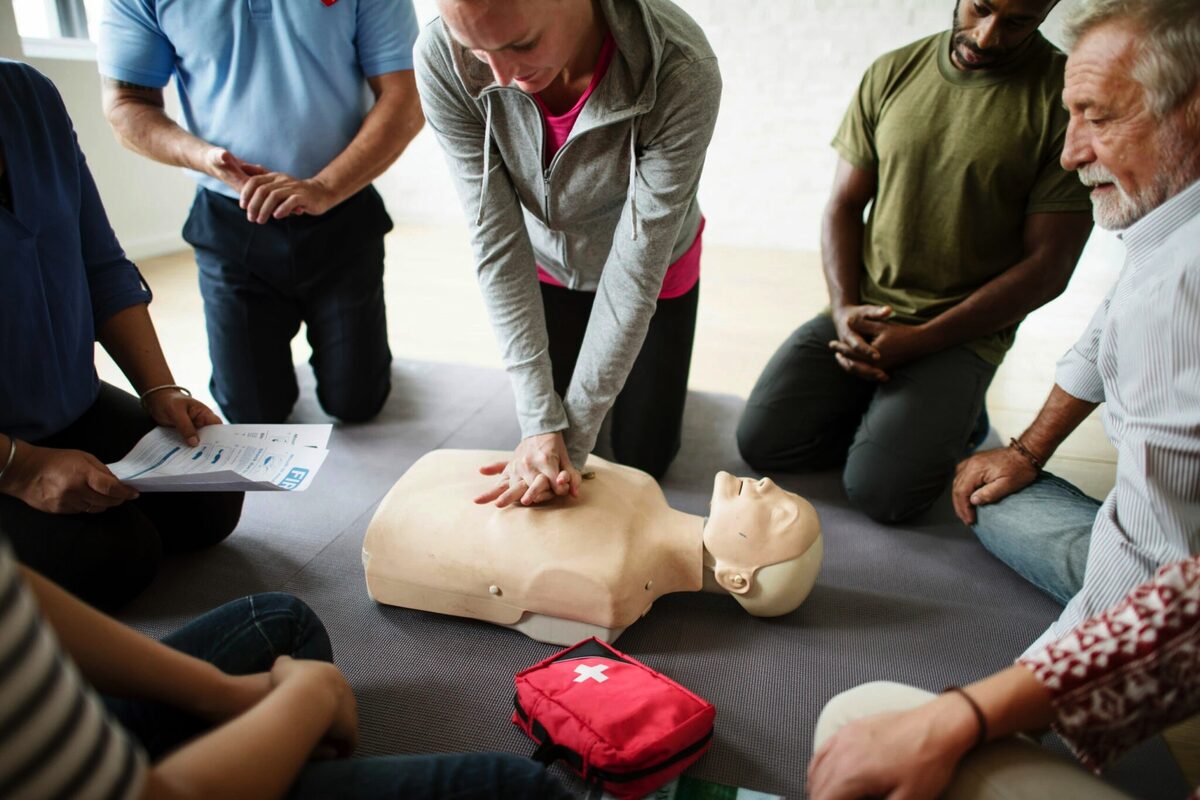
The standard EFAR training package consists of four core modules: scene management, unconscious patients, trauma and medical emergencies.
Training includes practical emergency-care skills such as scene safety, CPR, airway management, bleeding control, splinting and the recognition of medical emergencies.
ALSO READ: From road safety to home hazards: World Trauma Day highlights prevention
On completion of the training, participants receive a renewable certificate and a verifiable EFAR identity card recognised by the Western Cape Department of Health and Wellness EMS. The programme also includes refresher and support engagements to reinforce skills, maintain programme linkages and ensure continued responder readiness within communities.
DA commends the initiative
Memory Booysen, MPP and DA Western Cape Spokesperson on Health and Wellness, praised the programme’s impact.
“The DA in the Western Cape believes that programmes such as EFAR demonstrate the value of community partnerships in improving health-care outcomes and saving lives. We commend all community responders, trainers, health-care officials and stakeholders involved in making this initiative a continued success.”