

In February last year, Tygerberg Hospice expanded their presence to the Kuils River area with a palliative care team based on the premises of the Kuils River Community Church in Amandelsig.
The World Health Organisation (WHO) defines palliative care as an approach that improves the quality of life of patients and their families facing problems associated with life-threatening illness.
Palliative care manager at The Tygerberg Hospice Trust, Robinlee Mitchell, says the non-profit organisation is celebrating its 25th year.
The organisation’s service area includes the Tygerberg and Northern districts (substructures of the provincial health department within the metro) and more recently, the Eastern district (Kuils River, Eerste River).
Mitchell says the facility at the Kuils River Community Church is used as a training and research centre where palliative training takes place.
Their next bereavement support programme starting on 9 December is already fully booked.
“That is something we offer to the community.”
The two-day course costs R600 and is about processing grief, he says.
Tree of Lights
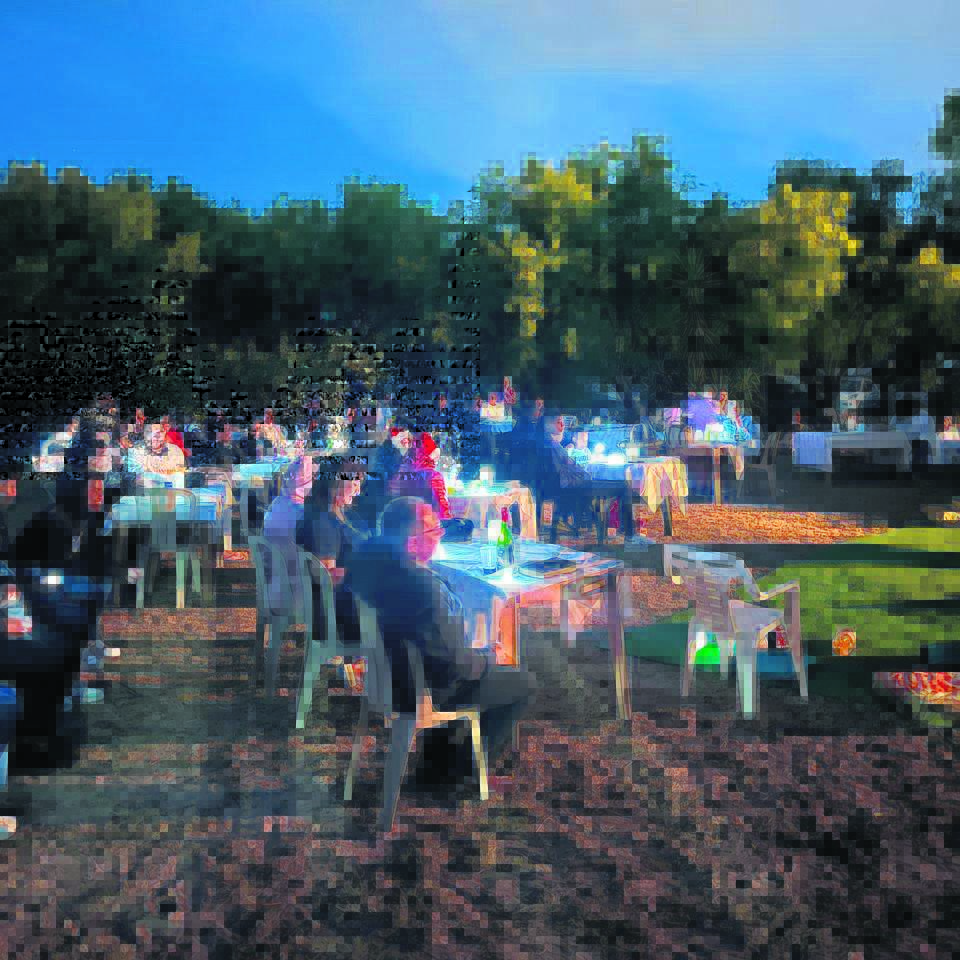
Mitchell says the Tygerberg Hospice’s annual event, Tree of Lights, moved from their head office in Bellville and was held at D’Aria wine estate the past two years.
“This year it will be held at Zevenwacht wine estate on Thursday 1 December at 18:30. It’s an event where we remember those we have lost and an opportunity to reflect on the past year. During covid this was quite important – and now post-covid equally so.”
This is part of reaching out to the Kuils River community to raise awareness around end-of-life support says Mitchell. “We are there to support families and patients – those that have been diagnosed with a life-threatening illness.”
“We accept medical aids, but we provide free support to those who cannot afford it – 99% of our services are free. That is why we are so heavily dependent on donations.”
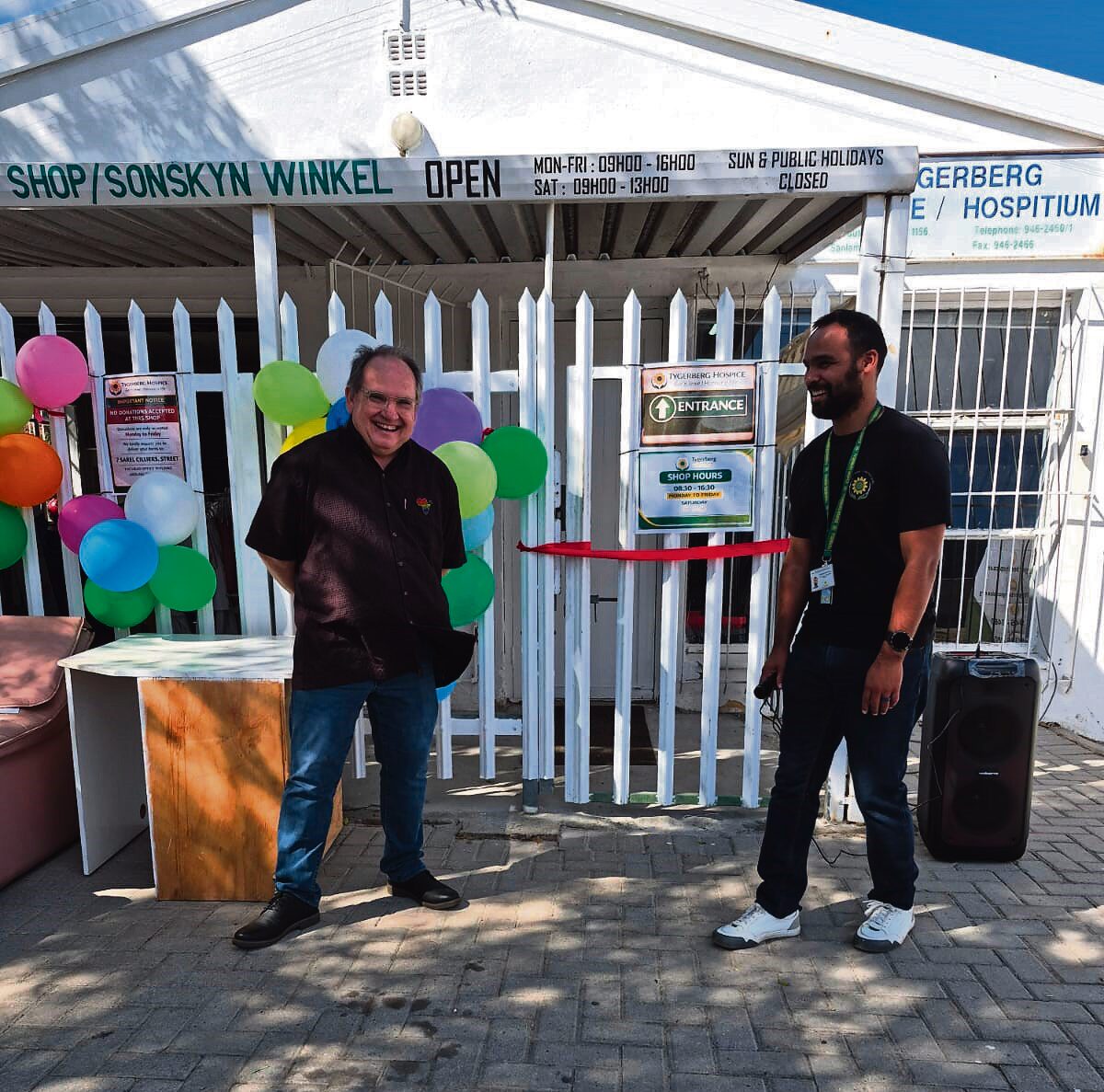
Tygerberg Hospice has three charity shops that welcome donations (from clothing to furniture): The Sunshine Shop in Maree Street and Treasure Chest at Nobel Park centre in Bellville, and Timeless Wonder at the Village Walk centre in Durbanville.
Mitchell says they currently have four palliative nurses serving Northern, Tygerberg and Eastern districts (up to Eerste River).
“We have a palliative doctor on board and do provide doctor visits to our patients at home. She is more focussed on the private patients with medical aid to provide that extra bit of support.”
Doctor’s visits
Mitchell says they are in the process of establishing a private doctor’s practice at the Kuils River Community Church premises which hopefully will be up and running by January. He explains it will be a general practice open to anyone on certain days, but time will be allocated for the doctor to do home visits to palliative patients as well.
They are also looking to engage with old age homes to alleviate some of the burden from them, he says.
Tygerberg Hospice has an Intermediate Care Facility at Karl Bremer Hospital in partnership with the department of health. The 40-bed unit accepts palliative patients from the community.
“Should our palliative sister do an assessment and a referral – we do a bottom-up approach – from the community to the facility. The facility will do a top-down referral again which will include homebased care,” Mitchell says.
Homebased care is not provided by Tygerberg Hospice in the Eastern district due to certain contractual agreements, but Mitchell says: “We support homebased carers with regards to palliative care and training.”
More diagnosed
Since April this year Tygerberg Hospice has trained 160 community health workers, 86 enrolled nurses and social auxiliary workers and 20 professionals (doctors, enrolled nurses, social workers).
Mitchell says it’s important to drive training and research to ensure care workers and professionals are up to date with what the needs within the community are.
They have seen an increase in people being diagnosed with life threatening illness. “The demand of care has increased tremendously since covid – since Covid-19 and its aftereffects (respiratory issues) have been clinically considered a palliative diagnosis.
“We are very much in a space to grow our services to meet the needs of the community.”
The communities they look after are: Durbanville, Bothasig, Fisantekraal and Klipheuwel (Northern substructure); Uitsig, Ravensmead, Bellville and Bellville South (Tygerberg) – homebased and palliative care; and Kuils River, Eerste River, Mfuleni (Eastern) – palliative care.
Pain management
Mitchell says there is currently one nurse allocated to the Eastern district.
“It works on a triage basis – the severity of illness will determine how regular a nurse will see you.” A stage 1-patient, still able to work and very functional, may receive a visit once a month.
Pain management becomes crucial in patients with advance illness who may have only a few months to live. This is where the Tygerberg Hospice’s vision statement comes in: “To strive to provide quality and dignity in life,” Mitchell explains.
“We don’t want patients to die in pain. We want them to have that pain-free release when it comes to end of life – and to have the necessary support during end of life.”
The patient’s family must also be prepared for the passing of their loved one.
Mitchell says a social worker works closely with the palliative care nurses. “If there are any family disputes the social worker is there to be a mediator, to get wills in place . . . there are a range of things we are capable of providing when it comes to end of life.”
There are even spiritual volunteers available.
“We look at the patient holistically – which includes the family. We provide bereavement support to families up to 13 months after the patient has passed.”
Tygerberg Hospice has recently reviewed their mission statement: “We aim to provide equitable professional and ethical patient-centred care through a multi-facetted approach aligned with universal health coverage.
“Universal health coverage means healthcare for all,” says Mitchell regardless of religion, race, culture and so on. Palliative training also takes into account the diverse cultural landscape with different traditions and ways of dealing with death and grief.
Visit www.tygerberghospice.org for more information.