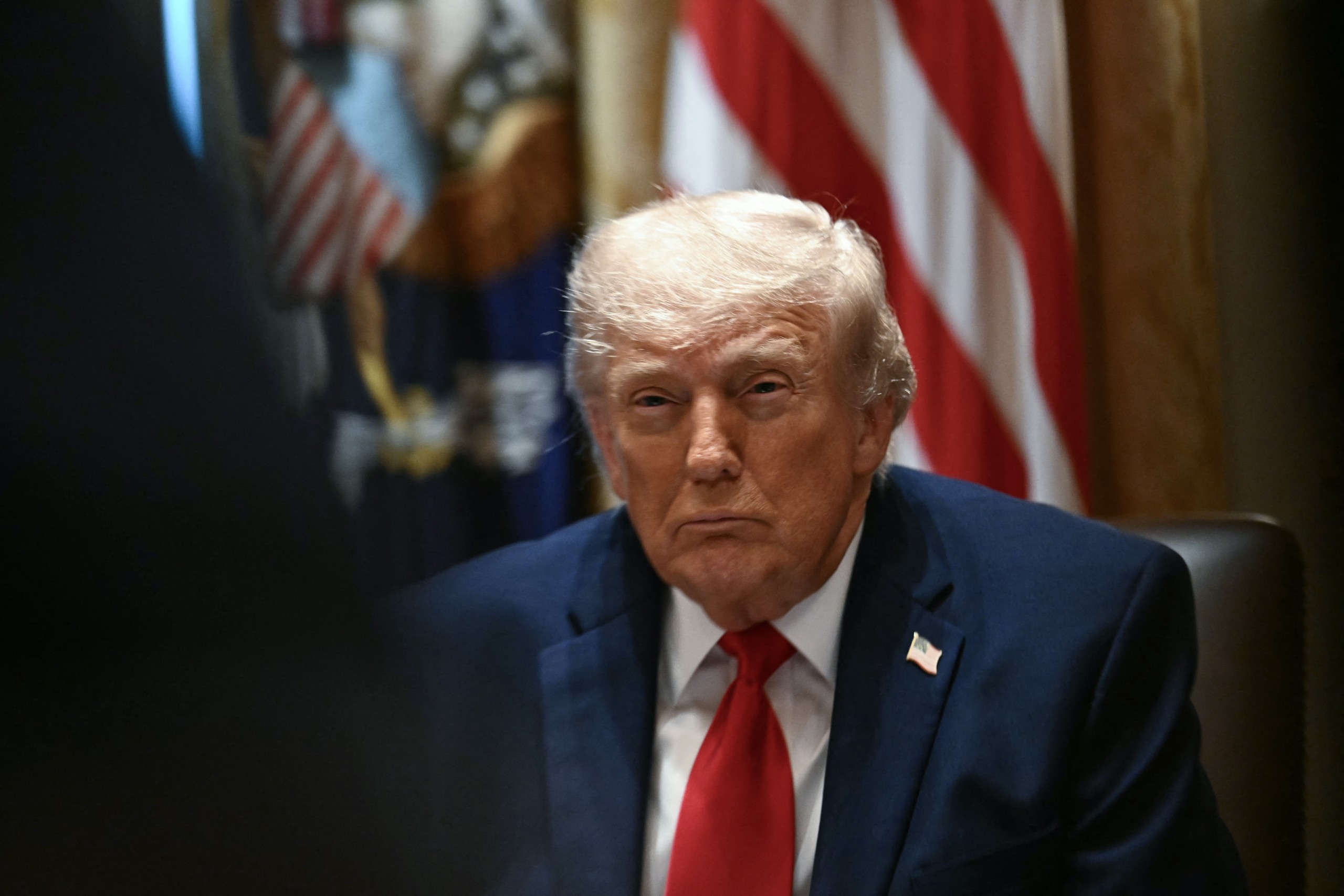
US President Donald Trump has warned Iran it will be “hit very hard” if it does not reopen the Strait of Hormuz, though he suggested a deal could be reached as soon as Wednesday.
The waterway, which handles a significant portion of global oil and gas supplies, has become the main sticking point in negotiations between Washington and Tehran. Iran’s control over the strait and its demands to charge tolls have ratcheted up tensions since an April ceasefire collapsed.
Trump told reporters in California on Tuesday that negotiators “had a very good day” and a deal could happen “tomorrow or the next day”. But in an interview with Fox News, he adopted a more aggressive stance.
“The strait is going to be open very soon, or they’re going to get hit very hard — and then the strait’s going to be open,” Trump said. “All you can do is fight your way out.”
US Treasury Secretary Scott Bessent told CNBC there was a chance of a deal by Wednesday or Thursday.
Conflicting signals from Washington and Tehran
The pattern has become familiar in recent weeks. Trump threatens military action against Iran, then walks it back by hinting negotiations are progressing. Last week, he warned of potential strikes on civilian infrastructure before suggesting a breakthrough was near.
Iran’s foreign ministry has denied holding any negotiations with Washington, even as Trump insists talks are ongoing.
Secretary of State Marco Rubio confirmed on Tuesday that the United States was involved in negotiations between Oman and Iran on increasing traffic through the strait.
News outlet Axios reported that the three countries were close to an interim deal that Washington hoped to announce on Wednesday. According to unnamed officials, the arrangement would provide 60 days of safe passage between Iran and Oman.
Qatar, which has been mediating, said diplomatic efforts were continuing but no direct Iran-US talks were planned. Qatari leader Sheikh Tamim bin Hamad Al-Thani spoke with Trump by phone on Tuesday to discuss efforts to reduce tensions.
Attacks continue despite diplomatic efforts
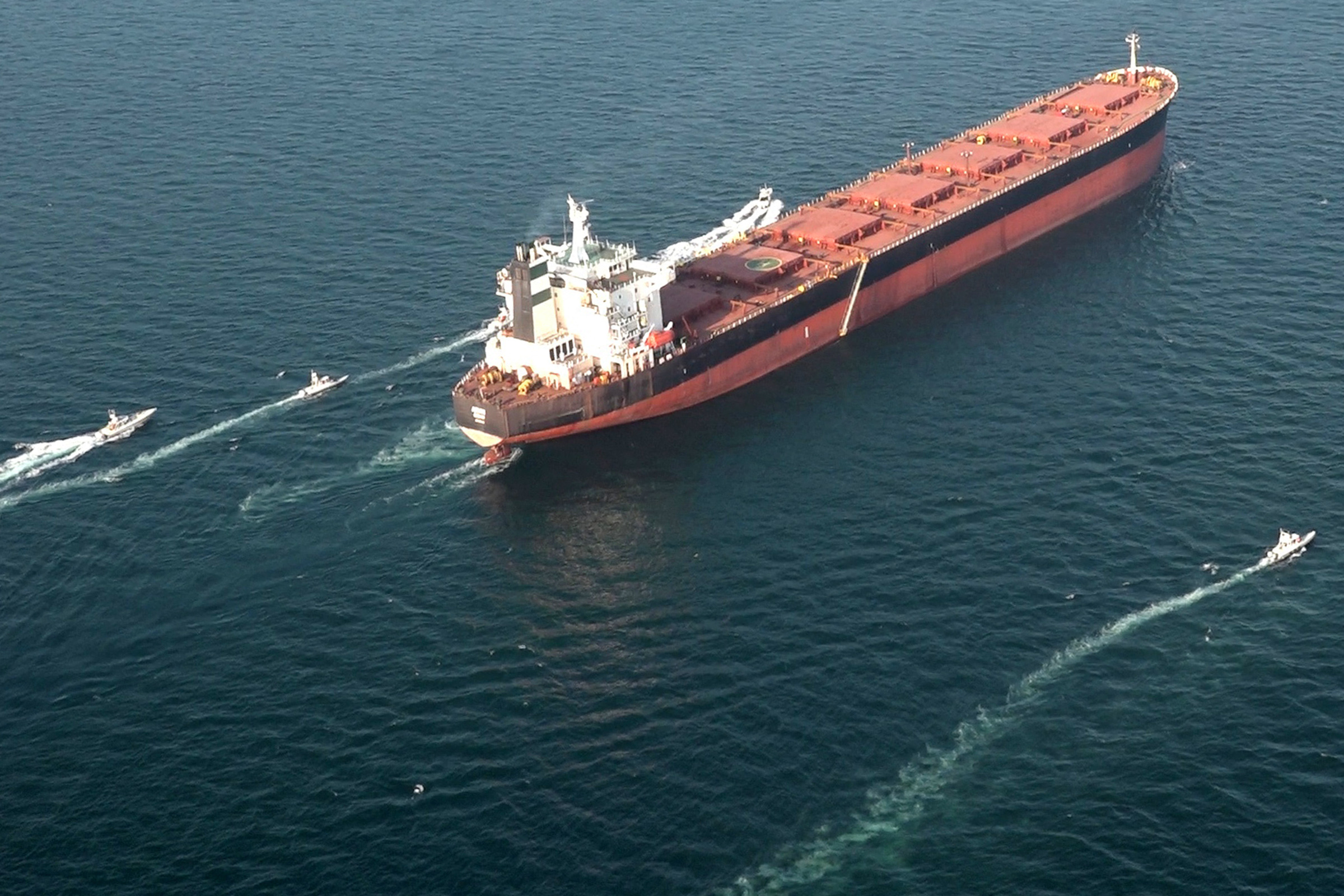
The volatile situation was underlined on Tuesday when a crew member was listed as missing after a merchant ship was hit by a projectile in the Strait of Hormuz. An Indian vessel in the Red Sea also sank following an unattributed attack.
Britain’s maritime security agency UKMTO said a cargo vessel had been struck by an “unknown projectile” off the coast of Oman. Iran continues to impose an effective blockade on the strait and insists ships coordinate crossings with Iranian authorities.
More than five months into the war, which has cost Washington billions of dollars, Iran still has the capability to fire missiles and drones at US and allied targets, as well as commercial shipping.
Trump had previously said he would maintain a US counter-blockade of Iranian ports “unless a Deal, or Total Surrender, is accomplished”. His diplomatic goals include reopening Hormuz and the denuclearisation of Iran, which he acknowledged could “take a little while”.
ALSO READ: Cargo ship struck in Strait of Hormuz as Trump claims Iran talks progressing
Red Sea becomes alternative route
With Hormuz effectively closed, shipping lanes through the Red Sea have become increasingly important. Saudi Arabia’s Red Sea port of Yanbu has allowed the kingdom to bypass Hormuz entirely and maintain oil shipments to global markets.
However, Iran-backed Houthi rebels in Yemen have declared a maritime blockade on Saudi Arabia, claiming attacks on multiple vessels they say are violating their restrictions.
On Tuesday, the Indian ship MSV Faize Noore Oliya sank in the Red Sea off Yemen following an unattributed attack. All crew members were rescued.
During the Gaza war, a previous Houthi campaign forced commercial shippers to take lengthy detours around southern Africa rather than use the Red Sea gateway to the Suez Canal.
ALSO READ: US treasury secretary says Hormuz deal with Iran possible by Wednesday