The top US priority in the Iran war has shifted from preventing Tehran’s nuclear programme to bringing down petrol prices for American consumers, the vice president said on Thursday, with the treasury secretary adding that new economic measures against Iran are imminent.
The comments by Vice President JD Vance and Treasury Secretary Scott Bessent illustrate the leverage Tehran has gained by shutting down the Strait of Hormuz.
Preventing Iran from obtaining a nuclear weapon, consistently cited by President Donald Trump as his main reason for the war, now takes a back seat to getting oil flowing again freely through the strait, Vance said on Fox News.
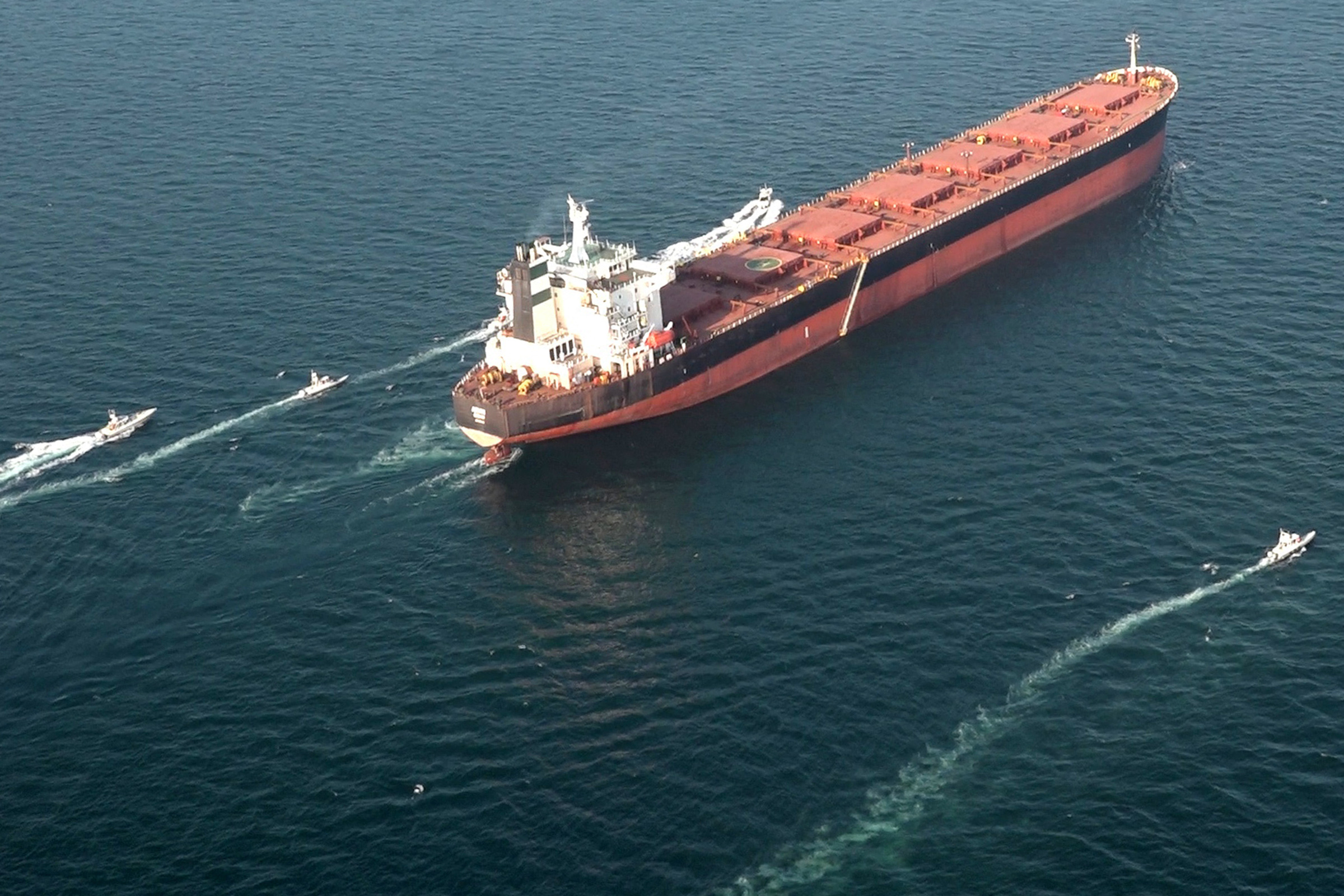
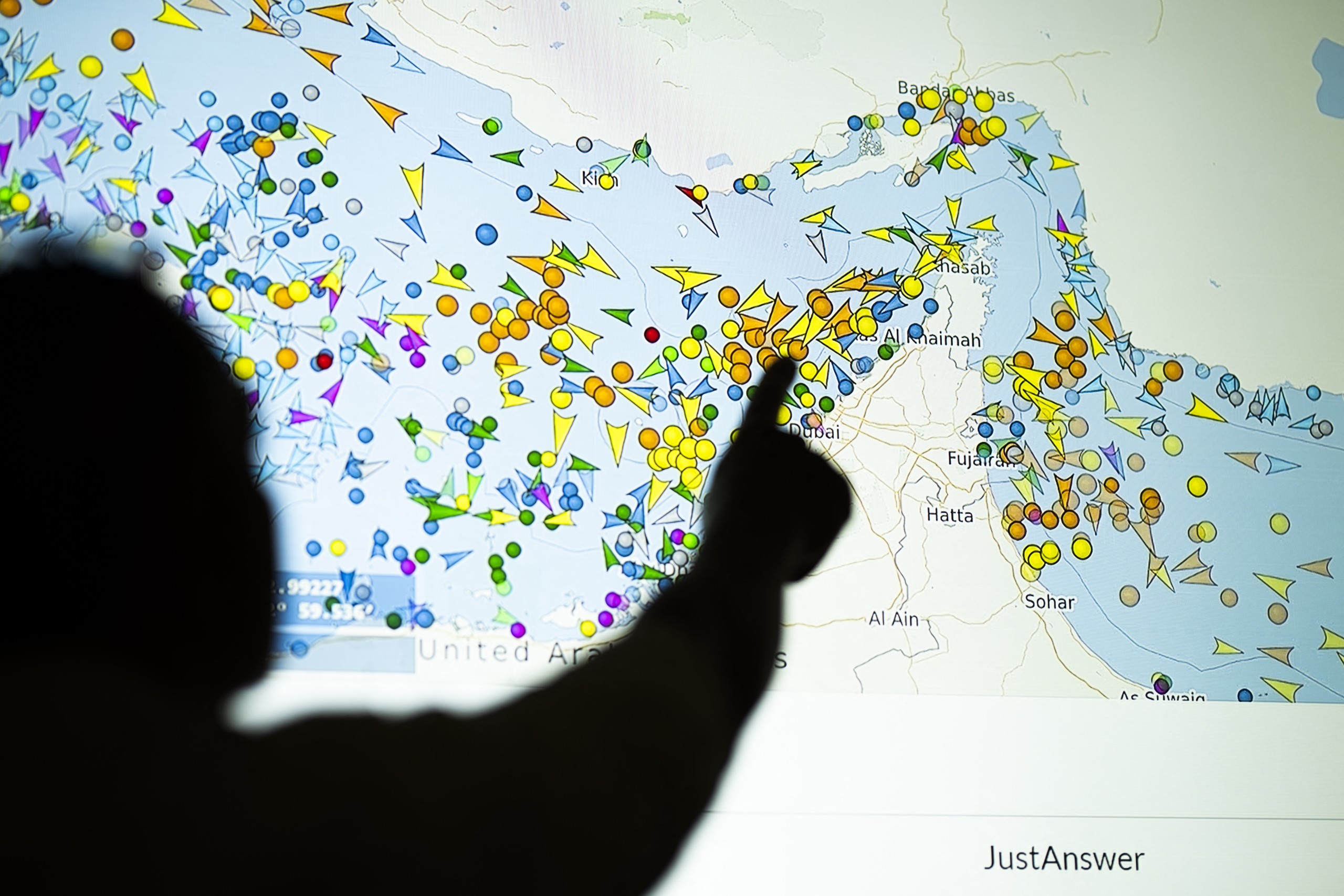
Vance’s comments underscored the reality that the war now centres on control of the Strait of Hormuz, the critical fuel supply route that was open before Trump started the war along with Israel in late February.
Iran has almost entirely shut it down in retaliation and thus found a crucial bargaining chip against Trump as he struggles to find a way out of the war and avoids resuming large-scale attacks.
Cheap fuel now top goal
Trump (80) faces a plummeting approval rating, with the war unpopular among Americans and midterm elections approaching in November.
Republicans fear Trump and the war, which has caused petrol prices to soar, will cost them their control of Congress.
“I know that oil is down today and it’s way down from the highs in the early days of the conflict,” Vance said on Fox News. “That’s goal number one – keep oil and gas cheap for Americans all over our country.”
“And then obviously goal number two is ensure that Iran never gets a nuclear weapon,” he added.
The vice president has been among the administration members most sceptical of the offensive launched against Iran in late February.
These remarks appear to confirm the more cautious approach now favoured by Trump, which involves maintaining strong economic pressure on Iran by blockading its ports and preventing it from selling oil.
More sanctions expected
Heralding more economic punishment, Bessent threatened to subject Iran to economic isolation “like the world has never seen before”. He said new measures are expected next week.
Only days ago Trump had said an agreement to reopen the strait was imminent. Now his administration appears to be digging in, with diplomacy on hold as he hopes economic suffering will cause Iran to yield.
“We are low-keying it,” Trump said on Sunday. “We are only semi-negotiating with them. We are just watching Iran with its huge inflation and the fact they have no money,” Trump told the news outlet Axios.
The US military reportedly burned through stockpiles of costly high-tech missiles and other weapons in the months since the war started at a cost of billions and is now reportedly running low, limiting Trump’s options for resuming attacks on Iran.
“Sometimes we’re focused on the energy piece of it because we want Americans to be able to afford the price of oil and gas. Sometimes we’re obviously focused on the military… on the nuclear programme,” Vance said.
Iran sets conditions
Trump had said recently he would hold off on attacking Iran again only if an agreement were reached quickly to reopen the Strait of Hormuz.
Now Iran has set a list of conditions for reopening the passage that the Trump administration is unlikely to accept: an end to the war on all fronts, the lifting of the US blockade of Iranian ports, the end of sanctions, the release of frozen assets and compensation for wartime damage.
Those conditions echo the terms of a so-called memorandum of understanding which was reached in June and collapsed as fighting resumed. It included a provision to create a $300 billion reconstruction fund for Iran.
ALSO READ: Iran says it manages Hormuz Strait after Trump claims US control