UNITED STATES – President Donald Trump has told US negotiators “not to rush into a deal” with Iran, marking a sudden shift as the two countries appeared close to an agreement that would possibly end the war in the Middle East.
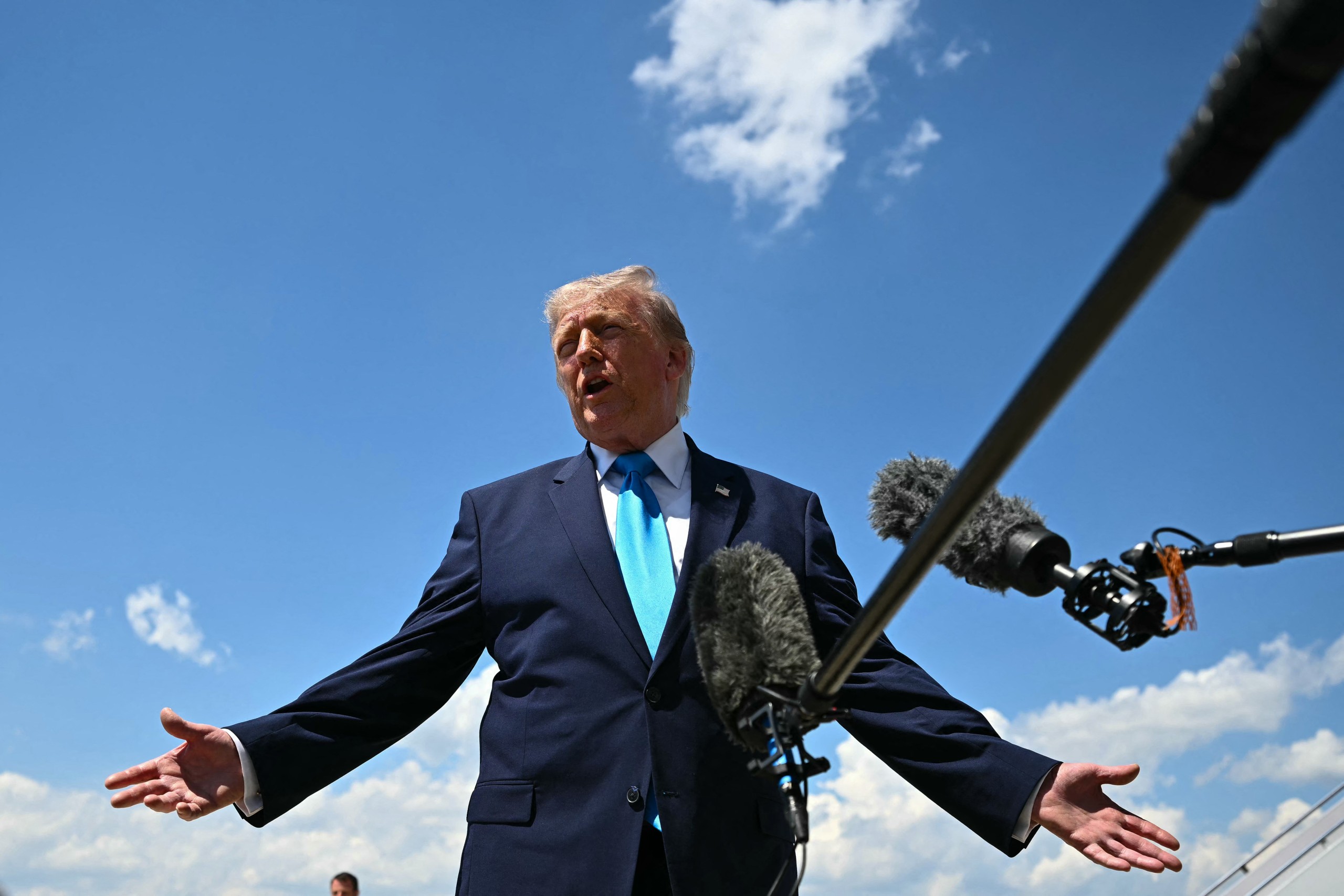
“The negotiations are proceeding in an orderly and constructive manner, and I have informed my representatives not to rush into a deal in that time is on our side,” Trump wrote on his Truth Social account on Sunday.
“The blockade will remain in full force and effect until an agreement is reached, certified, and signed,” he wrote.
ALSO READ: Strait of Hormuz reopening hinges on finalisation of draft agreement
Framework agreement reported
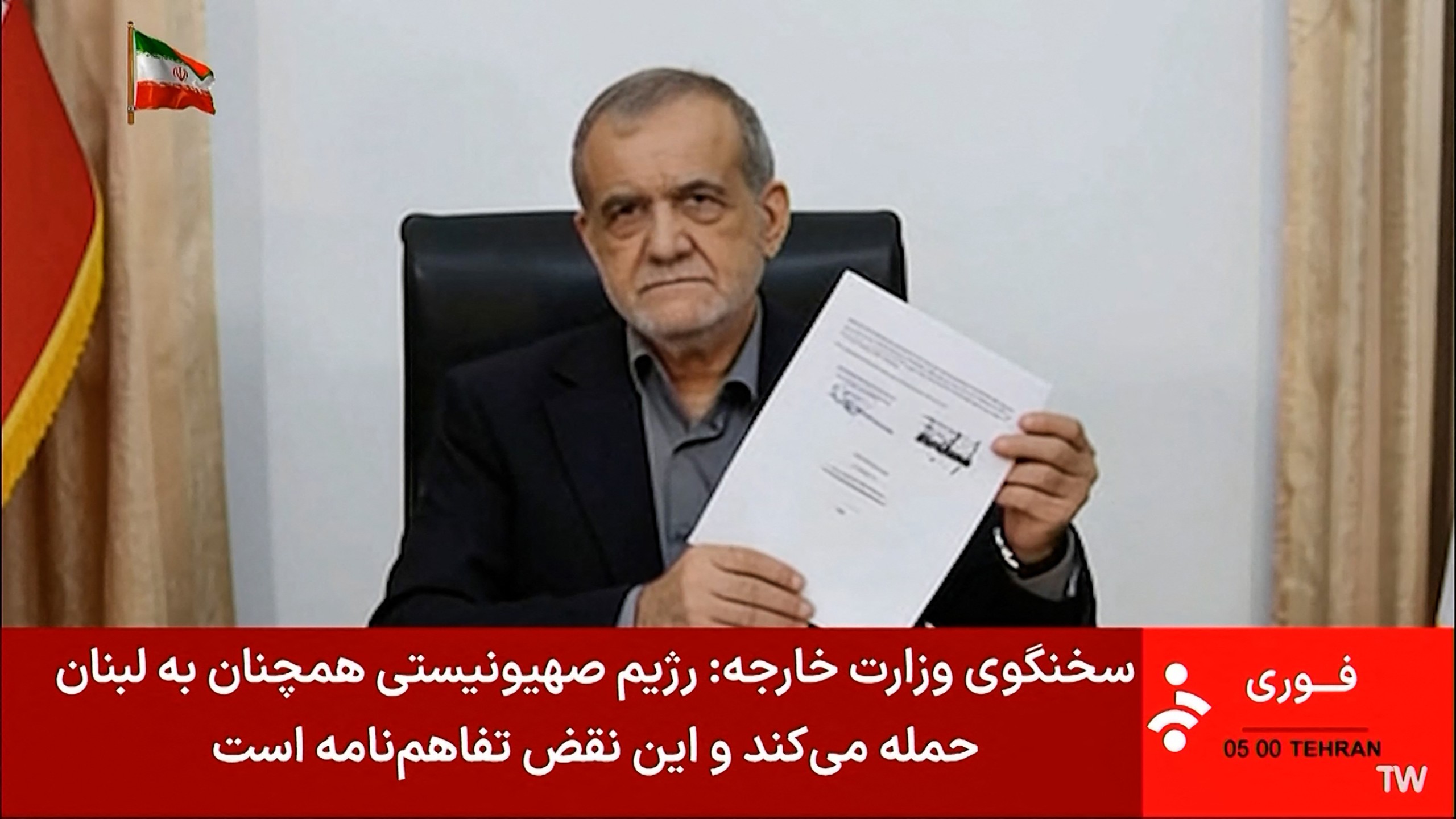
The statement came amid mounting anticipation of a deal after Iranian foreign ministry spokesman Esmaeil Baqaei said on Saturday that the two sides were nearing “a memorandum of understanding, a kind of framework agreement composed of 14 clauses” in “a trend toward rapprochement”.
Trump had also announced that a deal had been “largely negotiated” between the United States, Iran and several Middle Eastern nations. He told news outlet Axios that the chances of a deal were a “solid 50/50”, while warning CBS that if no agreement was reached, Iran would face unprecedented consequences.
Senior US and Iranian officials also expressed cautious optimism at the time about a potential breakthrough, though both sides acknowledged substantial challenges remained.
According to Axios a possible agreement would extend the current ceasefire by 60 days, during which the Strait of Hormuz would be reopened, Iran would freely sell oil, and negotiations would be held on Iran’s nuclear programme.
A senior US official told Axios there are still details “to work out”, and the “slow and opaque” nature of Iran’s decision-making system could delay an agreement by another few days.
“Our understanding is that the supreme leader, Mojtaba Khamenei, has endorsed the broad template of the deal,” the official said. “Whether this becomes an agreement is still an open question.”
Nuclear issue remains contentious
The New York Times reported that a key element of the proposed agreement was an apparent commitment by Tehran to give up its stockpile of highly enriched uranium, with details to be discussed in later negotiations.
However, Iran’s Fars and Tasnim news agencies reported that Iran made no commitments regarding its nuclear programme.
“Iran has made no commitment in this agreement to hand over nuclear stockpiles, remove equipment, shut down facilities or even commit not to build a nuclear bomb,” Fars said.
Israeli prime minister Benjamin Netanyahu said he had agreed with Trump that any final deal must fully end Iran’s “nuclear threat”.
“This means dismantling Iran’s uranium enrichment facilities and removing enriched nuclear material from its territory,” Netanyahu said.
Republican opposition mounts
Republican lawmakers close to Trump have expressed concern about an agreement favourable to Iran.
Senator Roger Wicker said agreeing to a “rumoured 60-day ceasefire” with Iran would mean “everything accomplished by Operation Epic Fury would be for naught”.
Texas senator Ted Cruz wrote on X that if the result allows an Iranian regime “still run by Islamists who chant ‘death to America’” to receive billions of dollars, enrich uranium and develop nuclear weapons while having effective control over the Strait of Hormuz, “then that outcome would be a disastrous mistake”.
Key sticking points
Iran’s Tasnim news agency reported that key clauses remained unresolved, including frozen Iranian assets. According to the agency, Iran has insisted that any initial understanding must be conditional on at least partial access to the assets.
A potential understanding would also see the US temporarily lifting sanctions on oil, gas and petrochemicals during the negotiation period, according to Fars.
The United States has imposed a blockade of Iranian ports since 13 April after Tehran virtually halted traffic through the Strait of Hormuz in response to US-Israeli attacks on Iran that began on 28 February.