

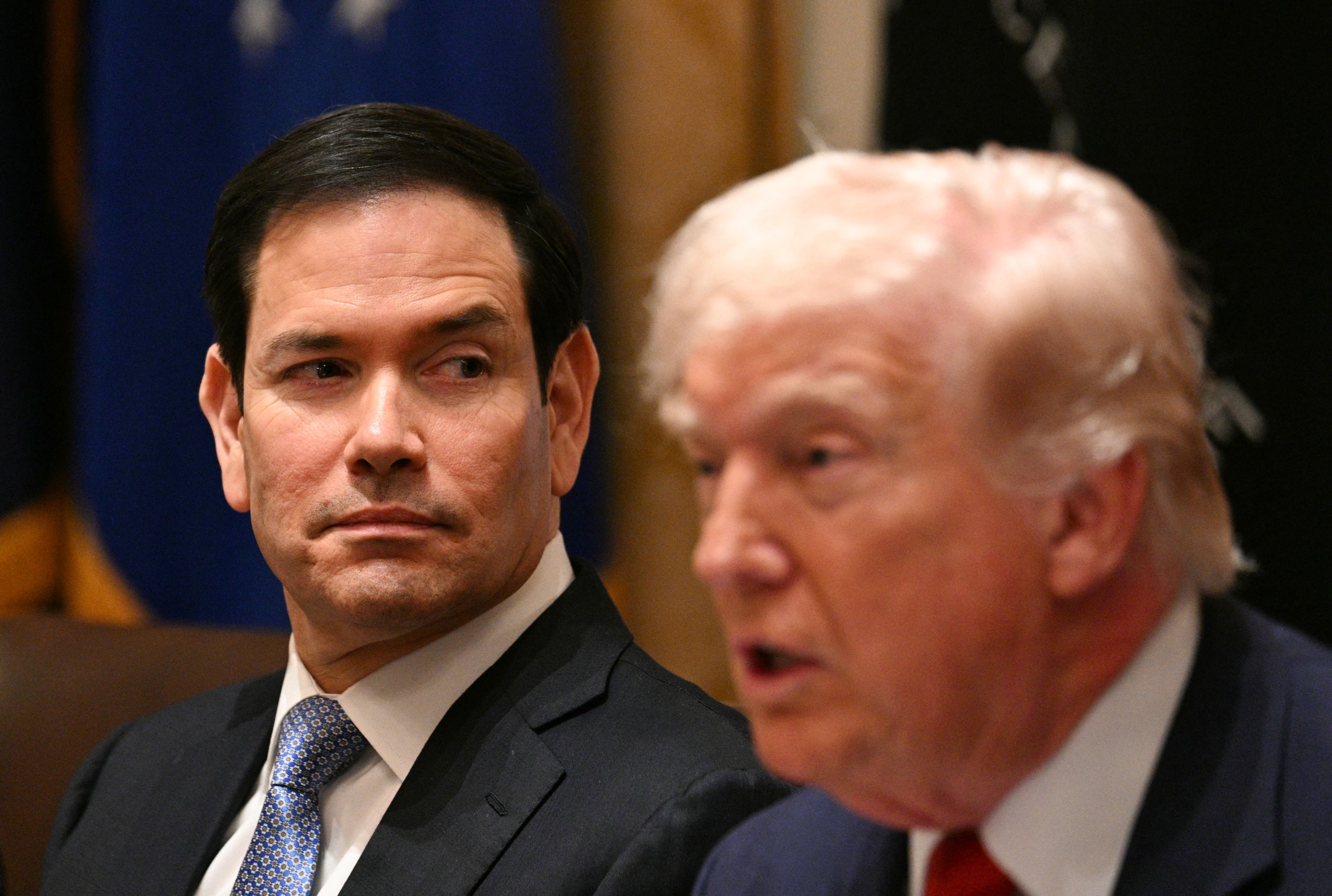
UNITED STATES – Negotiations to reopen the Strait of Hormuz have reached an advanced stage, with US President Donald Trump announcing on Saturday that a deal has been “largely negotiated” between the United States, Iran and several Middle Eastern nations.
“An agreement has been largely negotiated, subject to finalisation between the United States of America, the Islamic Republic of Iran, and the various other countries,” Trump wrote on Truth Social. “In addition to many other elements of the agreement, the Strait of Hormuz will be opened.”
The announcement comes as the strategic waterway remains closed, continuing to choke vast quantities of global oil supply and maintain pressure on the world economy. The closure has sent shockwaves through financial markets since the conflict began, with oil prices jumping and stocks sinking as the impasse drags on.
However, significant uncertainty remains about whether the talks will produce a final agreement. Trump told Axios on Saturday that the chances of a deal were a “solid 50/50”, whilst warning CBS that if no agreement is reached, Iran would face unprecedented consequences.
Senior US and Iranian officials expressed cautious optimism about a potential breakthrough, though both sides acknowledged substantial challenges remain.
Iranian foreign ministry spokesman Esmaeil Baqaei noted “a trend towards rapprochement” but said “it does not necessarily mean that we and the United States will reach an agreement on the important issues”. He said Iran was finalising a 14-point framework agreement, with hopes that details of a final agreement could be worked out “within a reasonable timeframe between 30 to 60 days” after the framework is completed.
US Secretary of State Marco Rubio also expressed optimism, telling reporters in New Delhi on Saturday: “There is a chance that, whether it’s later today, tomorrow, in a couple days, we may have something to say.”
The negotiations follow weeks of talks, including historic face-to-face meetings hosted by Pakistan, after the United States and Israel attacked Iran on 28 February. Despite the extensive diplomatic efforts, full access to the Strait of Hormuz has not been restored.
The continued closure of the waterway, through which significant volumes of global oil supplies typically pass, has maintained economic pressure worldwide.
Multiple diplomatic efforts are under way to support the negotiations. Qatari Emir Sheikh Tamim bin Hamad Al Thani held discussions with Trump on Saturday, as well as with the UAE president and Saudi Arabia’s Crown Prince Mohammed bin Salman, with talks focused on calming the situation and promoting political solutions.
Iran’s Foreign Minister Abbas Araghchi conducted calls with counterparts from Turkey, Iraq, Qatar and Oman, whilst expressing frustration with what he characterised as Washington’s contradictory positions during negotiations.
The prolonged impasse has left ordinary Iranians uncertain about their future. “The state of ‘neither war nor peace’ is far filthier than war itself,” Tehran resident Shahrzad (39) told AFP, expressing concern about starting a new job amid fears that conflict could resume.

