

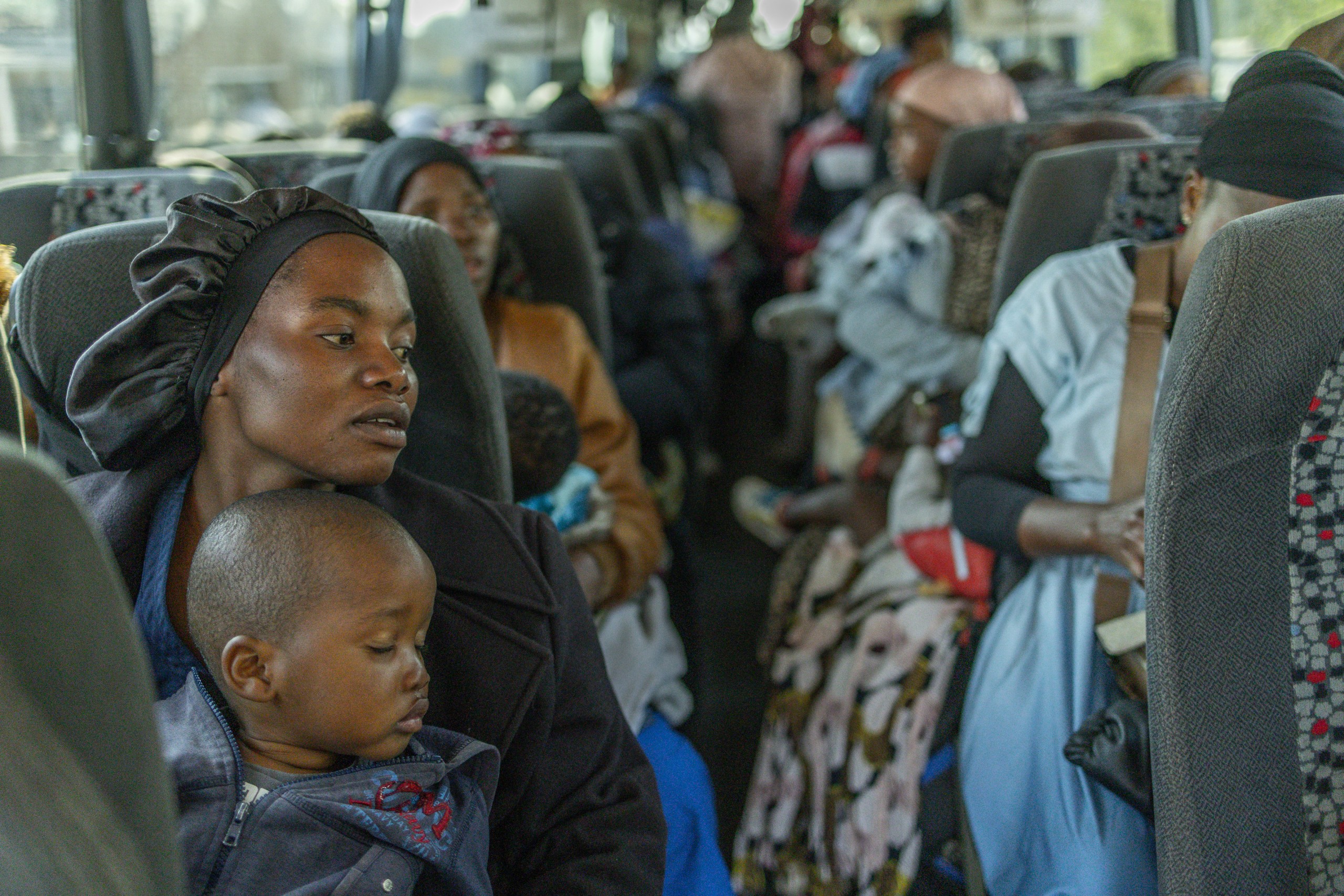
DURBAN – Thousands of desperate Malawian migrants are crowding a makeshift refugee camp in Durban, enduring dire conditions as they wait to return home and escape a mounting wave of xenophobic violence sweeping across South Africa.
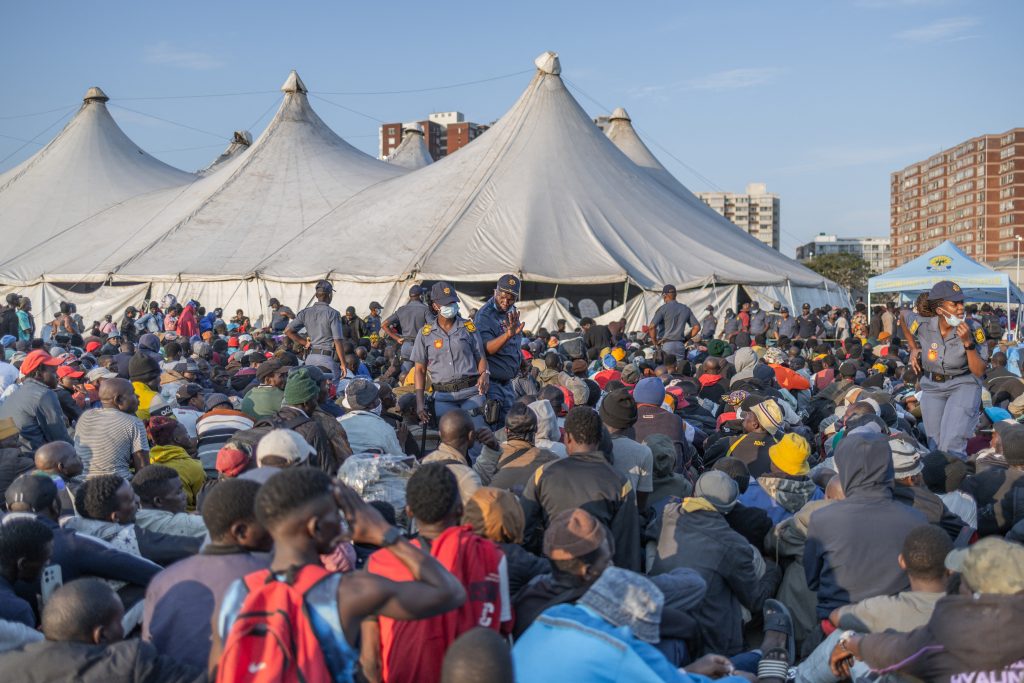
At Sherwood Park, frustration and anger are building among the refugees, some of whom have waited for days for buses to transport them more than 2 000km to Malawi. The camp has swelled to as many as 10 000 people, according to some reports, all willing to abandon the lives they struggled to build in South Africa.
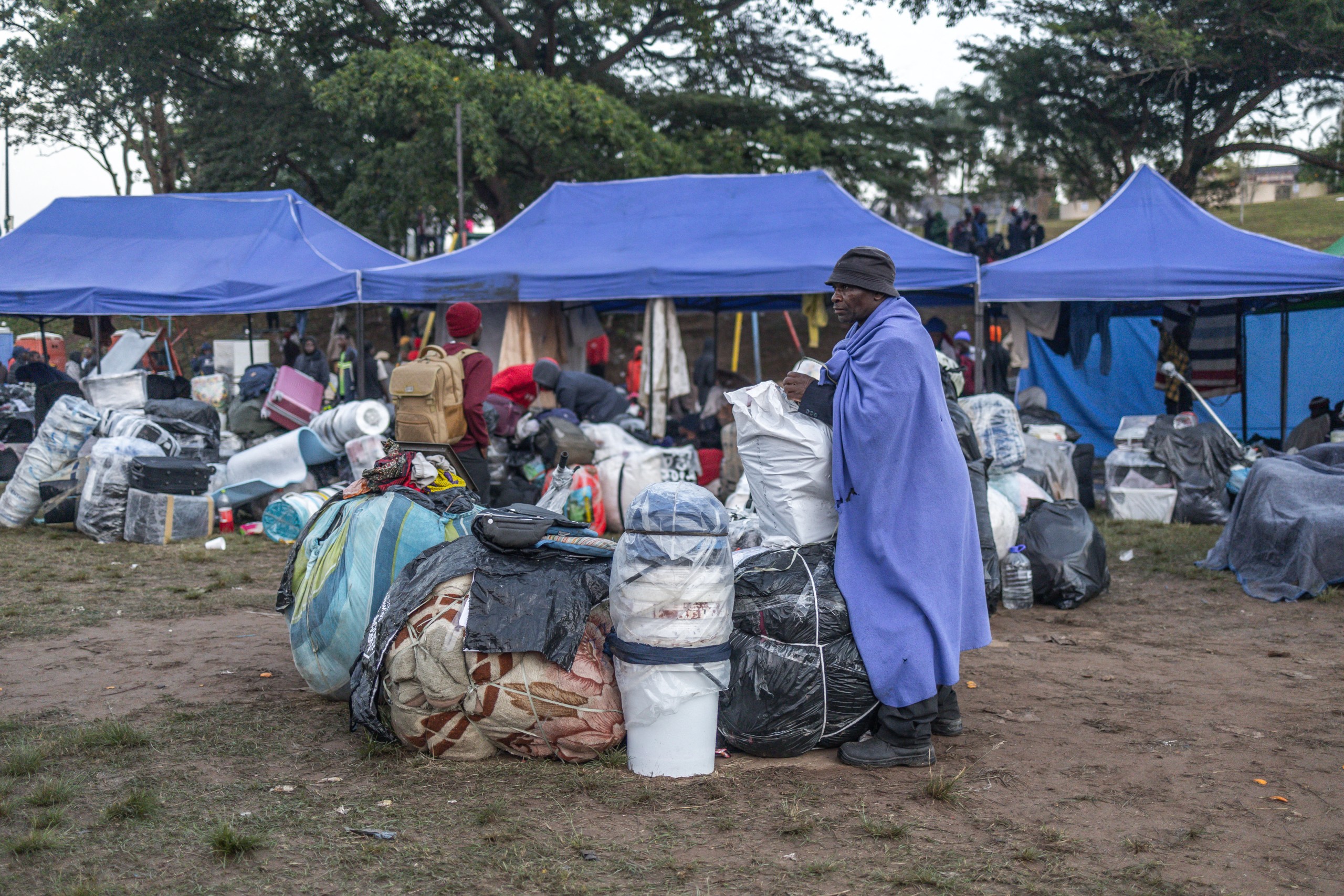
Men, women and children are crammed into a few tents during the chilly winter nights whilst waiting for transport. A handful of mainly religious and aid groups distribute food, water, sanitary towels and nappies, with queues forming for everything.
The few available toilets are overwhelmed, outbreaks of diarrhoea have been reported and the stench of urine and faeces permeates the camp.
Hasani Amadi (25) recently participated in a protest that drove off two busloads of supporters from a fringe anti-undocumented immigrant group who attempted to visit the camp, a move many migrants viewed as provocation.
“Why are these people coming here to harass us?” Amadi asked. “They said we must move from the informal settlements… Now we are here, trying to get back home, they are following us.”
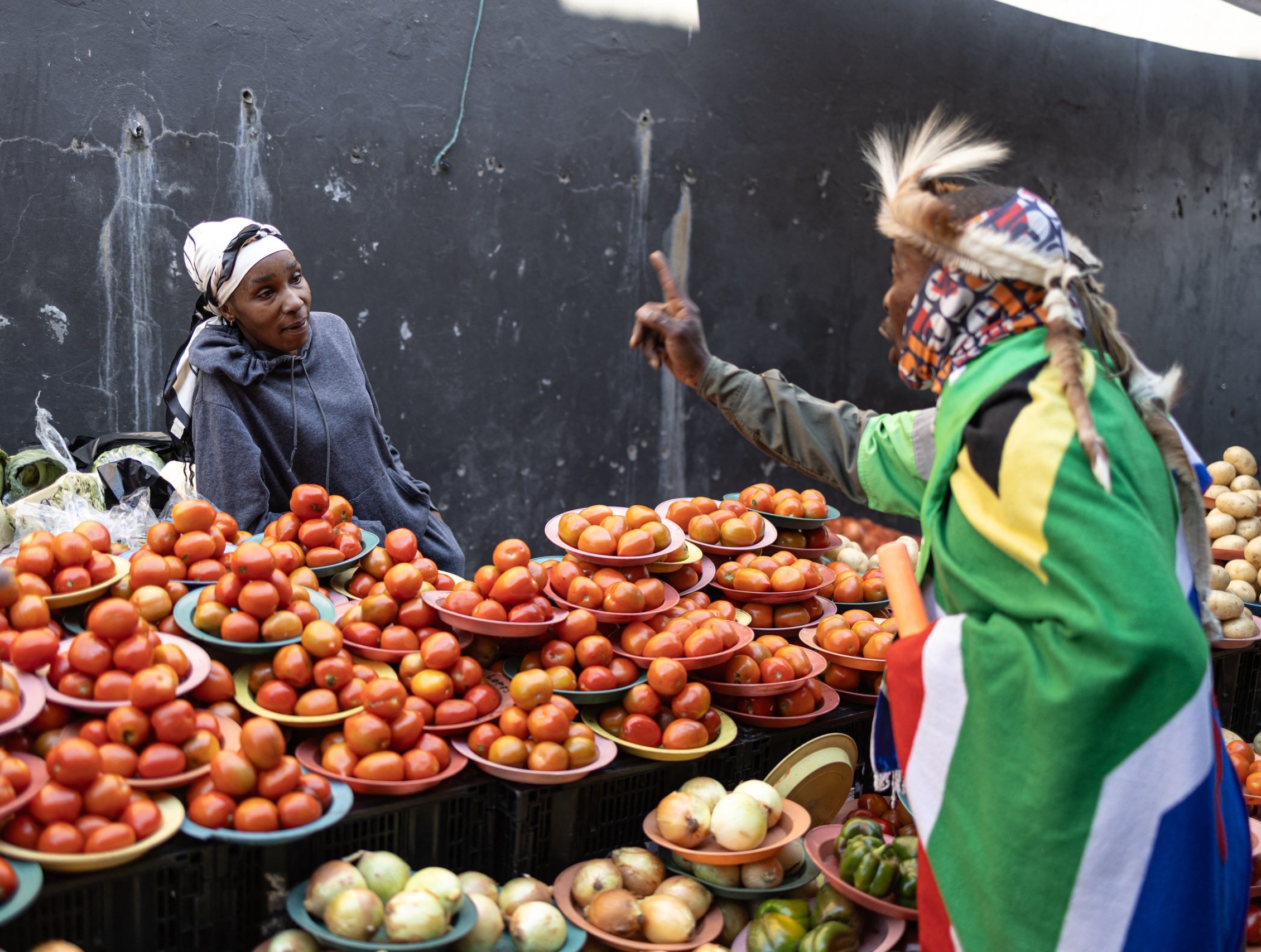
Across South Africa, groups have staged marches and door-to-door visits over recent weeks, demanding undocumented migrants leave by 30 June. Whilst the deadline carries no official authority, it has struck fear among many foreigners as threats are broadcast through menacing social media posts.
South Africa, one of Africa’s largest economies, has long attracted migrant workers from across the continent, both legally and illegally. Previous outbreaks of xenophobic violence have claimed several lives.
“All I want to do is to get home,” said Amadi, who has lived in South Africa for 10 years and worked at a small company manufacturing coffins.
Leaving everything behind
Gazembe Bwana (44) said he arrived from Malawi 14 years ago and had worked as a tiler, building a relationship and a home that he now must abandon.
“I worked so hard. I created jobs for myself and didn’t take anyone else’s job,” he said. “But now I’m leaving with only one bag. What has happened to me in South Africa is very painful.”
Police used teargas and rubber bullets to quell a recent disturbance when some men refused efforts to relocate them to another centre, where their documents were to be verified before repatriation.
Nasira Mbongo, eight months pregnant, said she could hardly breathe because of the teargas.
“I have been waiting here since Monday. I have signed all the documents, but my name has not been called,” she said. “All I want is to get home and deliver my baby safely. I will never consider coming into South Africa again. If I have to starve, I would rather die of starvation there.”
Mbongo had lived in Durban for the past three years. “Our landlady told us that she had been warned to take out all foreigners or else her property would be burnt down with foreigners inside. We were forced to go,” she said.
ALSO READ: South Africa vows firm response to anti-migrant violence
Around 1 340 women, children and sick men have already boarded buses back to Malawi, according to Cyril Mncwabe, head of the KwaZulu-Natal province home affairs department.
As the situation at Sherwood risked becoming overwhelming, authorities were planning to cordon off the area and establish another refugee centre, he said.
“More and more people are arriving. We have no control of who comes in and goes out,” Mncwabe said.
Many of the Malawians at Sherwood admitted they did not possess valid papers to be in the country, claiming they had been lured by syndicates promising jobs in factories, homes and mines.
Ghana, Nigeria and Mozambique have also started repatriating their nationals from South Africa because of the latest campaign against foreigners, who are accused by some locals of taking jobs and resources.
ALSO READ: South Africa says 2 745 foreigners sent home in a week



You must be logged in to post a comment.