CAPE TOWN – Ever been dumbfounded by your teen’s ability to insert completely meaningless words into a sentence? Or think you’ve finally nailed it just to hear you’re “larping”.
No wonder the youth’s modern linguistic rebellion, which, thanks to the internet, is evolving at lightning pace, has adults and peers turning to Google to “spill the tea”.
A new analysis of Google search data has revealed the slang terms South Africans have been frantically googling in 2026 — offering a window into the country’s evolving digital culture.
The research, conducted by word unscrambling experts at Word Unscrambler, analysed search data from 1 January to 25 August and uncovered the 20 most searched slang words across South Africa and its provinces.
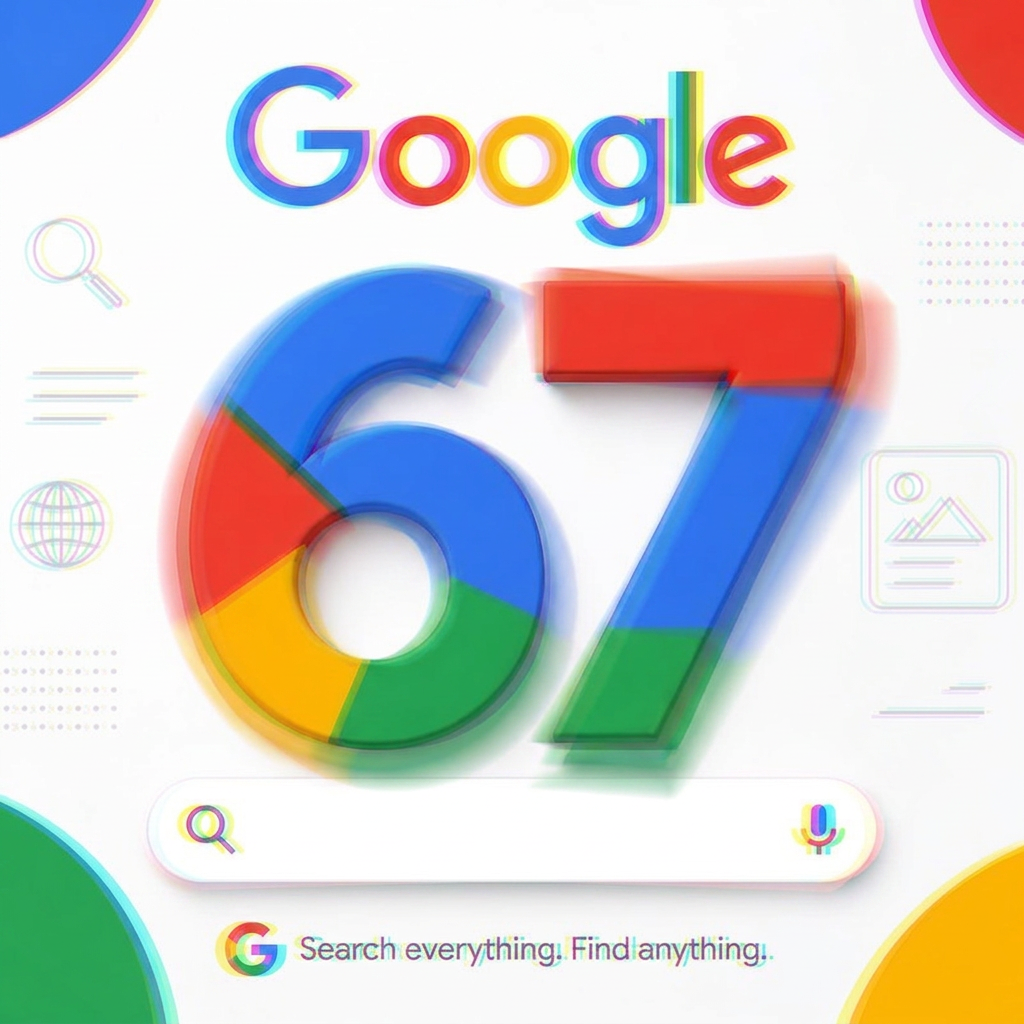
Topping the list is “67” — an absurdist internet phrase with 131 600 monthly searches. The term, which has no literal meaning, originates from the song “Doot Doot (6 7)” by Skrilla and was popularised by basketball player LaMelo Ball in a trending video. Kids and teens now scream and chant it, often paired with exaggerated hand gestures. The term is so absurd even Google makes your results page shake or wobble when you type “67” or “6-7” into Google Search.
In second place is “cap”, “capping” and “no cap” with 21 500 searches — referring to a lie, fake claim or exaggeration. “No cap” means the opposite: telling the truth, no lie.
Third is “simp” (20 900 searches), describing someone who shows excessive devotion to another person, most commonly used in relationships where one partner does all the giving.
Provincial preferences
The most searched slang terms vary by region.
Mpumalanga and the Western Cape both favour “aura” — referring to a person’s cool factor or swagger.
Gauteng searches for “mogging” (outclassing someone by appearing more attractive or successful), while KwaZulu-Natal looks up “clock it” (agreeing with a sharp observation).
Limpopo’s top search is “larping” (pretending to be something you’re not), the Northern Cape googles “67”, the Eastern Cape searches “simp”, the Free State looks up “rage bait”, and North West seeks the meaning of “capping”.
‘A social signal’
Randoh Sallihall, a spokesperson for Word Unscrambler, said the findings offer insight into cultural conversations happening across South Africa.
“Using slang is a social signal. What people search for can tell us something about what they are trying to understand and participate in culturally,” Sallihall said.
“Slang may look like a collection of throwaway jokes from the internet, but psychology suggests it is doing something much more interesting. Using slang helps people navigate identity and belong to a community.”
He cited research highlighted by the American Psychological Association, including work by psychologist Ryan Boyd, showing that language choices act as signals of identity and group affiliation. Research by Alice Damirjian, a post-doctoral researcher in the Department of Philosophy, similarly describes slang as a way of distinguishing insiders from outsiders and reinforcing social cohesion.
“Today new slang terms can spread like wildfire around the world thanks to big online communities on social media like TikTok, Instagram, gaming chats, streaming and so on,” Sallihall said.
“The popularity of trending slang words can change quickly, but the psychological need behind them stays the same. People want to understand one another and belong.”
The top 20
South Africa’s most searched slang words for 2026:
- 67 (131 600 searches) – An absurdist phrase with no literal meaning, originating from the song “Doot Doot (6 7)” by Skrilla
- Cap, capping, no cap (21 500) – A lie or exaggeration; “no cap” means telling the truth
- Simp (20 900) – Showing excessive devotion to someone, especially in relationships
- Aura, aura points, aura farming (19 700) – A person’s cool factor or presence; aura points are coolness points gained or lost through actions
- Sigma (18 200) – An independent, self-reliant person who operates outside traditional social hierarchies
- Mogging, mogged, mog, framemog (16 200) – Outclassing someone by appearing more attractive or successful
- Gooning (14 700) – Becoming overly obsessed about something; losing oneself in enthusiasm for an activity
- Big back (13 200) – Someone with a large physique; poking fun at gluttonous behaviour
- Clock it (11 600) – Agreeing with a sharp observation; calling something out
- Rage bait (10 100) – Online content created to make people angry and provoke reactions
- Glazing (9 700) – Praising someone excessively and insincerely
- Chopped (8 500) – Ugly, undesirable or unattractive
- Crash out (8 000) – Losing total emotional control; an extreme outburst
- Larping, larper (7 800) – Someone who pretends to be something they’re not; faking a lifestyle
- Bussin (6 900) – Extremely good, excellent or delicious
- Cuh (6 800) – A way to address a close friend, similar to “bro”
- Maxxing (6 600) – Maximising and optimising; going all in on improving a specific part of life
- Mandem (5 600) – A group of close male friends
- Oomf (5 200) – Short for “one of my followers” or “one of my friends”
- Bird (4 100) – Someone who lacks common sense in relationships
The research used Google Trends to discover trending slang terms and Ahrefs to calculate search volumes, analysing 150 search variations of top slang terms including queries like “67 meaning” and “what does mog mean”.
ALSO READ: Meta settlement puts social media industry on notice: ‘There will be more’