Plastic pollution has become one of the most pressing environmental challenges of our time. Each year, millions of tons of plastic waste end up in landfills, rivers, and oceans, causing significant harm to wildlife, ecosystems and even human health.
In the face of this growing crisis, initiatives like Plastic-Free July have emerged as powerful catalysts for change. This feature aims to shed light on the importance of Plastic-Free July and its impact on the planet, as well as provide practical tips for individuals and businesses to embrace a plastic-free lifestyle.
• Understanding Plastic-Free July:
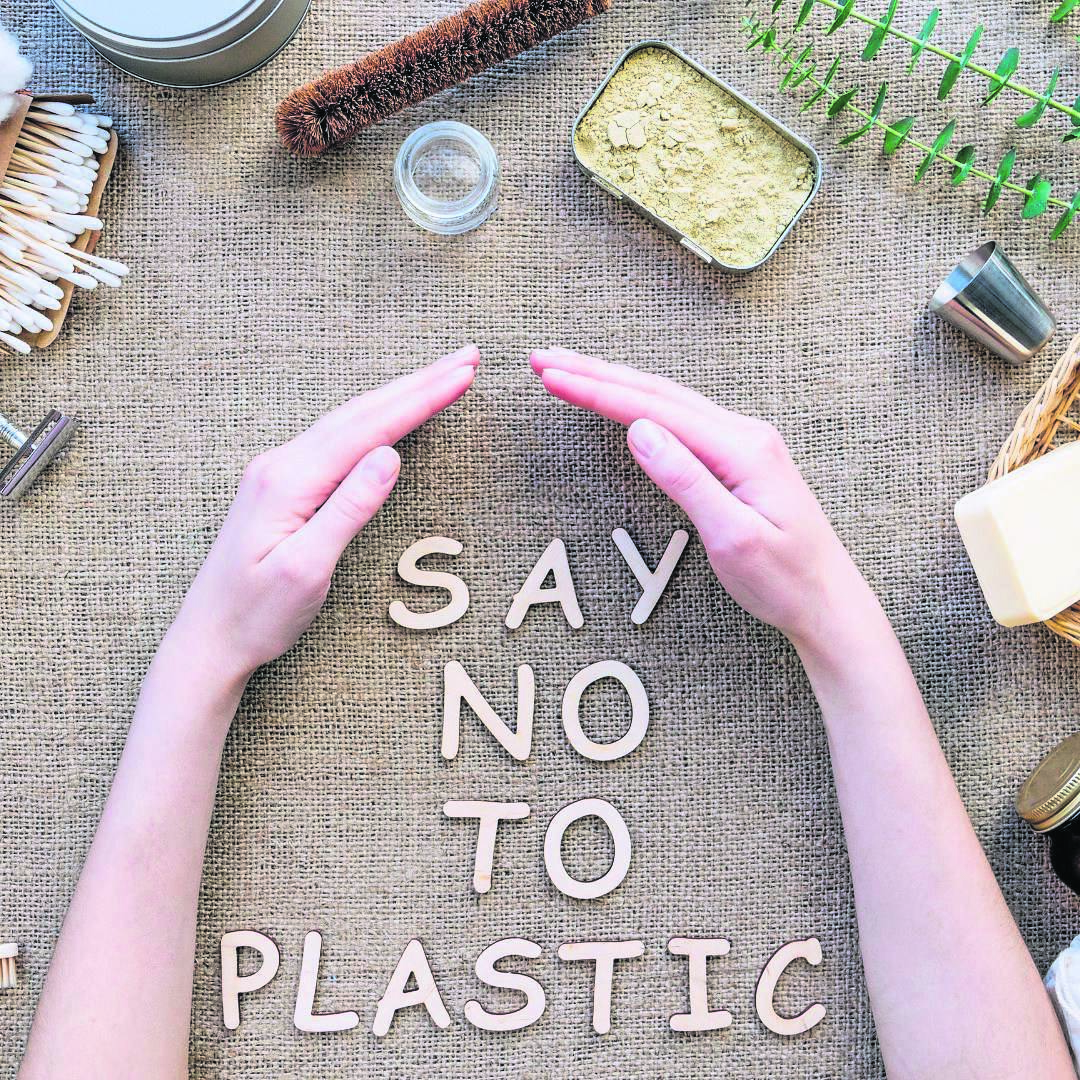
Plastic-Free July is a global movement that encourages people to choose alternatives to single-use plastic throughout the month of July. This annual initiative, which originated in Western Australia in 2011, has now gained widespread recognition and participation worldwide.
By promoting awareness and action, Plastic-Free July aims to inspire individuals, businesses and communities to reduce their plastic consumption and find sustainable alternatives.
• The Environmental Impact of Plastic:
Plastic pollution poses severe threats to the environment, biodiversity and human well-being. Plastics take hundreds of years to break down, resulting in long-lasting pollution that contaminates water bodies, harms marine life and disrupts ecosystems. From entangled marine animals to microplastics entering our food chain, the consequences are far-reaching. By participating in Plastic-Free July, individuals contribute to reducing plastic waste and preserving the delicate balance of our planet.
• Benefits of Plastic-Free July:
a) Conservation of Natural Resources: By reducing plastic consumption, we conserve precious natural resources used in the production of plastics, such as petroleum and natural gas. This leads to a more sustainable and resource-efficient society.
b) Protection of Wildlife: Plastic debris often entangles and suffocates marine animals, causing injury and death. By choosing plastic-free alternatives, we help protect vulnerable species and preserve marine ecosystems.
c) Preservation of Ecosystems: Plastic waste not only pollutes bodies of water but also disrupts ecosystems on land. By reducing plastic usage, we safeguard the biodiversity and balance of delicate ecosystems, including forests, wetlands and grasslands.
d) Climate Change Mitigation: The production and disposal of plastic contribute to greenhouse gas emissions, exacerbating climate change. Opting for plastic-free alternatives reduces carbon footprints, helping mitigate the effects of global warming.
• Embracing a Plastic-Free Lifestyle:
a) Reduce Single-Use Plastics: Swap disposable items like water bottles, shopping bags, and cutlery for reusable alternatives. Bring your own reusable bags and bottles when you go shopping or out for a drink.
b) Choose Sustainable Packaging: Support businesses that use minimal or eco-friendly packaging. Look for products with recyclable or compostable packaging options, reducing the demand for single-use plastics.
c) Rethink Your Grocery Shopping: Opt for unpackaged fruits and vegetables or use reusable produce bags. Buy in bulk to reduce packaging waste and choose products with minimal or no plastic packaging.
d) Spread Awareness: Share your Plastic-Free July journey on social media, using hashtags like #PlasticFreeJuly. Encourage friends, family and colleagues to join the movement and start making conscious choices.
* This article was submitted by Nicole Sherwin – founder, Eco Diva Natural.
Eco Diva Natural actively engages in sustainable practices on a daily basis, demonstrating their commitment to a greener future.