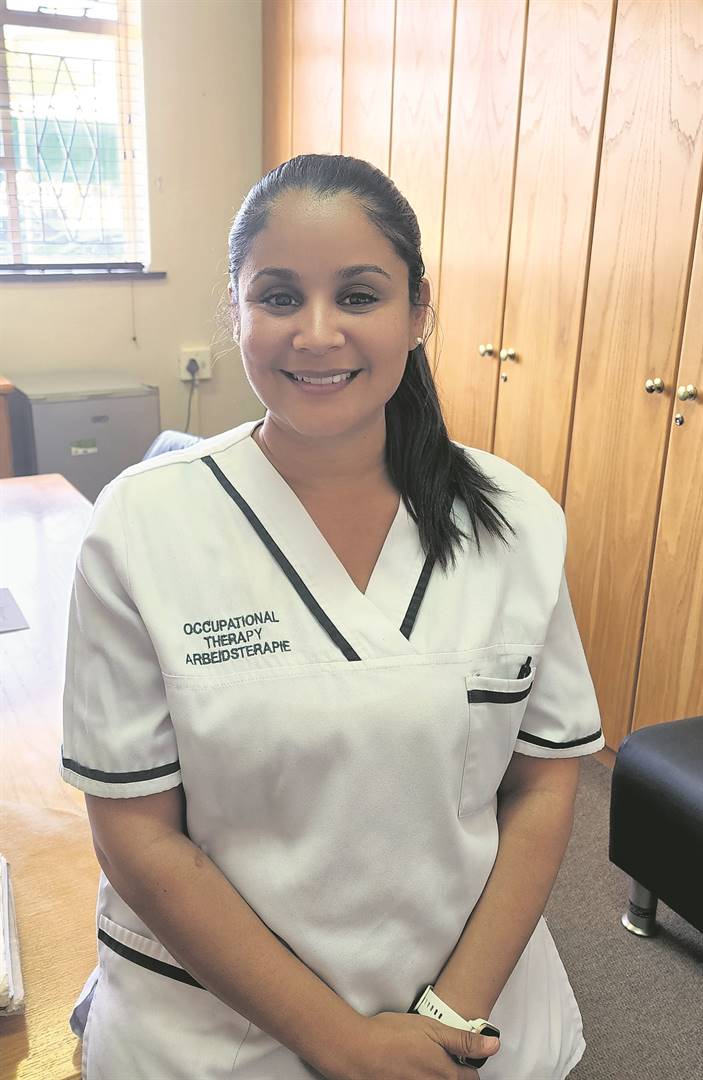
World Occupational Therapy Day is celebrated annually on 27 October to promote the important role occupational therapists play in rehabilitation. The theme for this year was “Opportunity+Choice=Justice”. This means occupational therapists can create opportunities and choices for people. Occupational therapists (OTs) work with all age groups and in a wide range of emotional, physical and social areas.
Pain, injuries, illnesses or a disability can create obstacles for people from all walks of life, and therefore the work done by occupational therapists in the Western Cape is so important.
The main aim of occupational therapy is to improve someone’s quality of life. Tasks are adapted to ensure maximum independence is gained.
The primary goal of occupational therapy is to enable people to participate in the activities of everyday life. Occupational therapists achieve this outcome by working with people and communities to enhance their ability to engage in the occupations they want to, need to or are expected to do or by modifying the occupation or the environment to better support them.
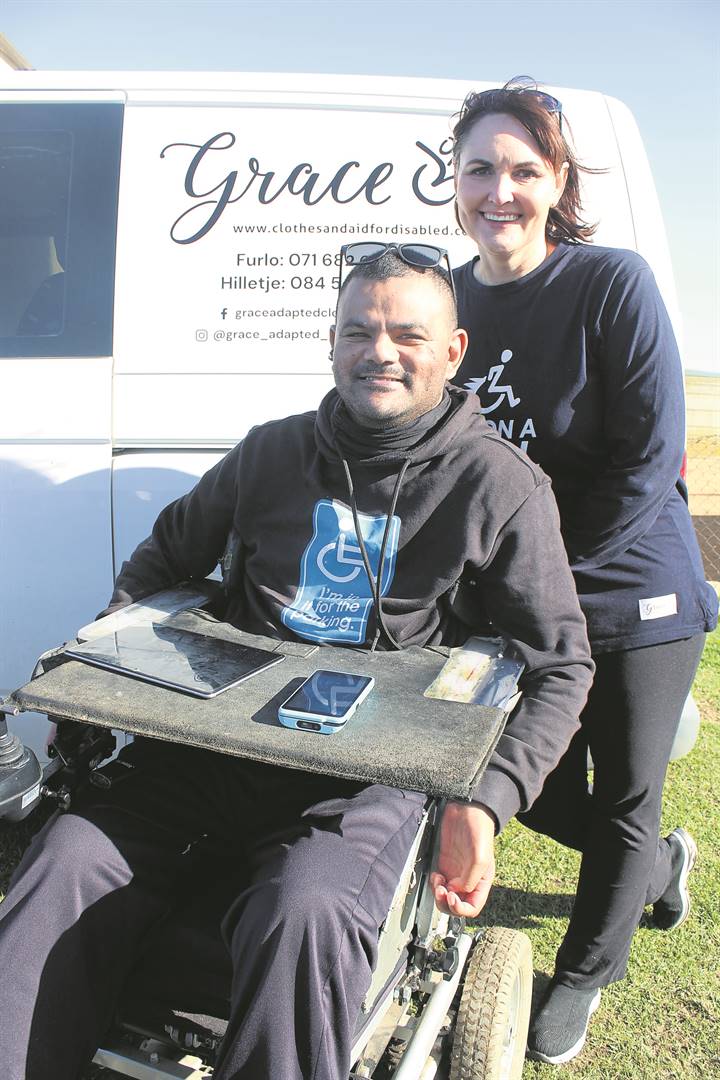
Occupational therapists provide advice on how to perform everyday tasks. They help adapt the settings in which the person works, lives and socialises. Examples include teaching new techniques and providing equipment, which facilitates independence in personal care, reducing barriers in the home, school or office, and providing resources to lessen stress.
Additionally, OTs support patients with their mobility and daily tasks. Their role is to work with a person and identify strengths and complications that they experience and find ways to tackle those difficulties.
OTs help people with mobility problems and those struggling to adapt after an operation. They can also help elderly people who are finding that ageing is affecting how they carry out their daily tasks. No matter the person’s circumstances, an OT’s intention is to develop someone’s confidence and independence in carrying out their daily tasks, or other activities.
Anyone who struggles to do any type of task may or have any of these health conditions, may need to see an occupational therapist:
. Arthritis and chronic pain
. Stroke
. Brain injury
. Joint replacement
. Spinal cord injury
. Low vision
. Poor balance
. Cancer
. Diabetes
. Cerebral palsy
. Mental health or behavioural issue
Occupational therapy services are available as part of the Western Cape Government Health’s services. If you have any of the conditions or symptoms above, speak to the health-care worker at your clinic, who will refer you for occupational therapy if necessary.