Leopards draw attention. That is precisely what they did on Monday 17 March when Dr Bool Smuts gave a public talk on leopards to a packed hall of the Velddrif Municipality.
He is the general manager of the Landmark Foundation, an non-governmental organisation concerned with conservation and land management with a particular focus on leopards as the last free-roaming top carnivores.
Smuts demonstrated how he and his organisation’s team investigated past practices that had resulted in the localised extermination of leopards, due to government-funded bounties and state-employed “vermin” hunters in the Cape from 1656 until 1968. As a result of cumulative changes in government management and conservation actions by NGOs and others, the attrition slowly subsided, and the leopard populations responded by recolonising available habitats.
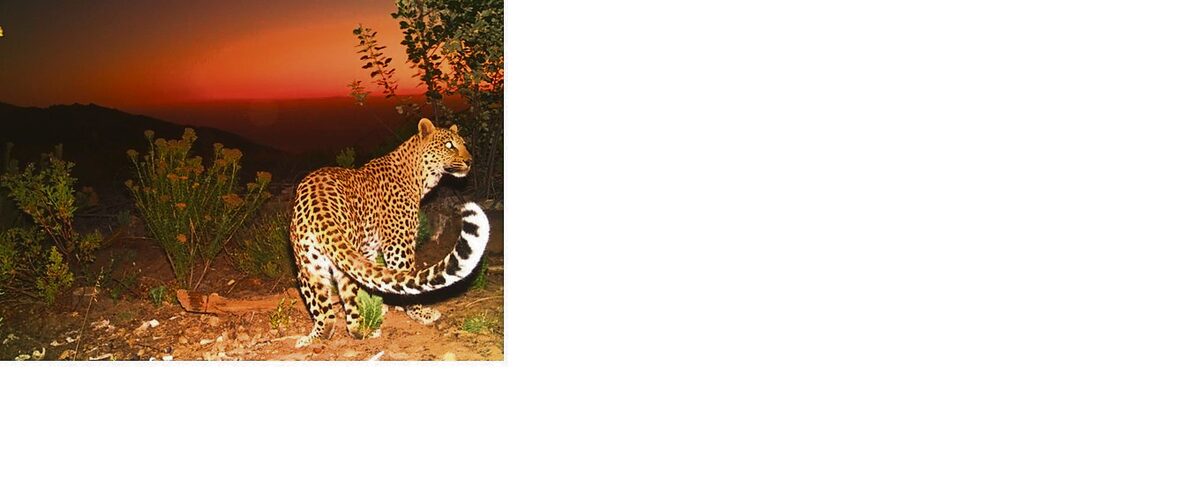
After more than a decade of gaining insights into the leopard population growth, movements and range expansions in the Eastern Cape and the Western Cape in 2019, the Landmark Foundation was alerted by farmers of the return of leopards to the Piketberg Mountain after a century of absence. This was interesting, since the 110 000 ha Piketberg mountain is located like an island, away from the Cederberg escarpment mountains, where leopards were known to occur, with only a narrow conservation corridor connecting the two mountains between Het Kruis and Redelinghuys.
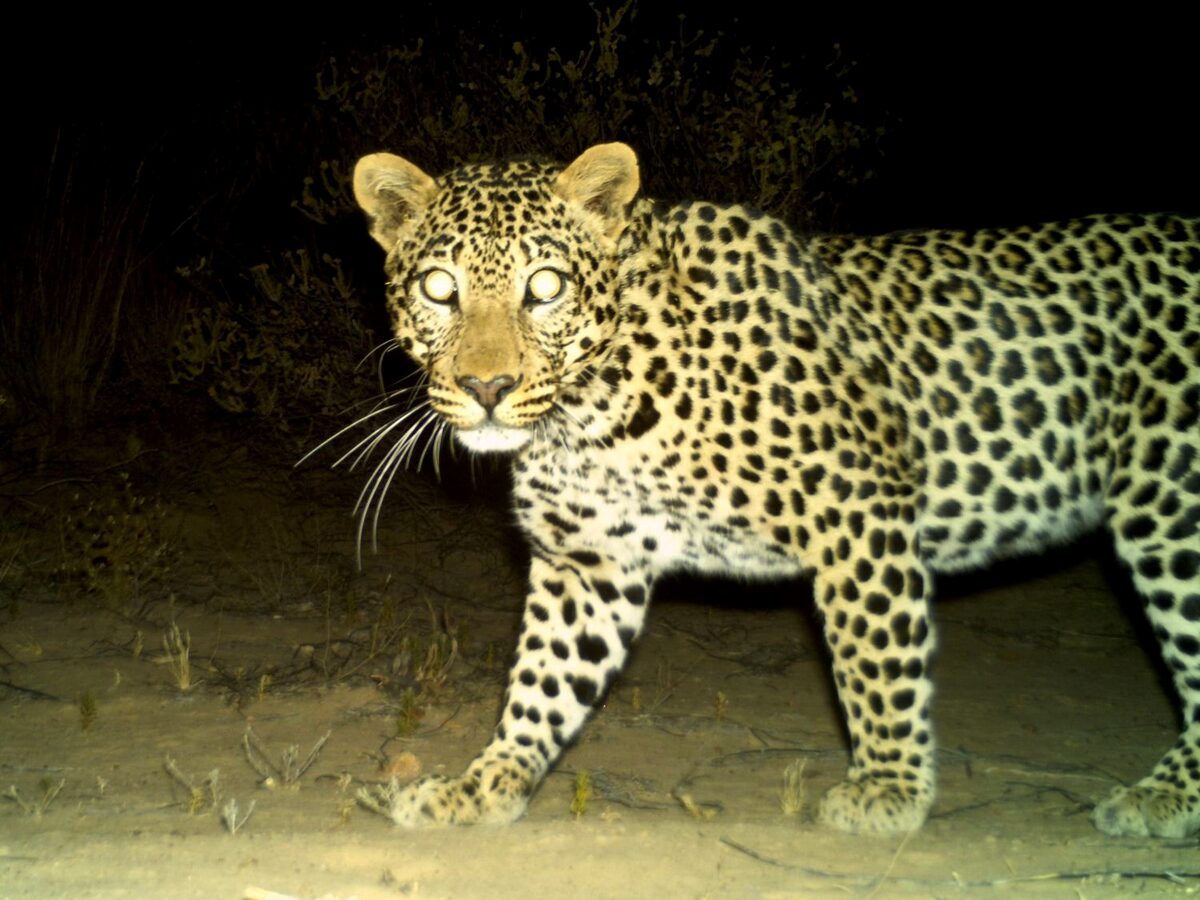
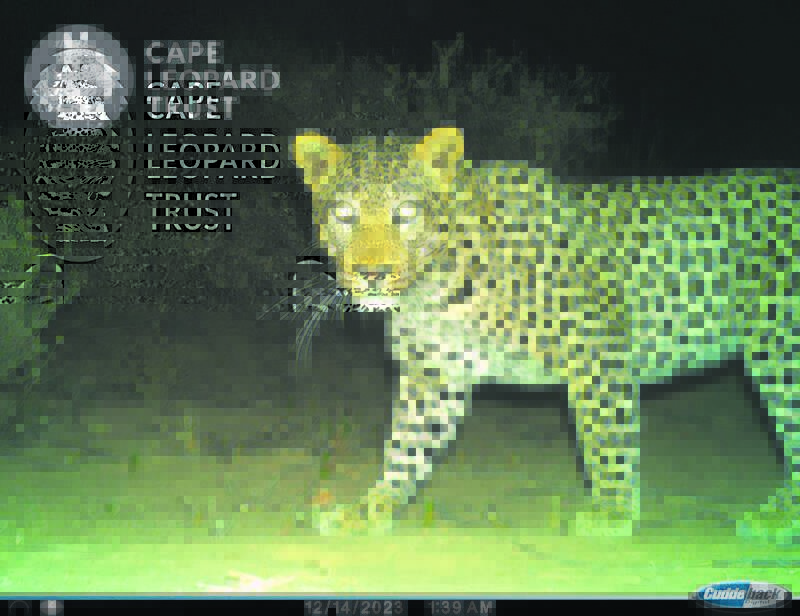
In several fieldwork campaigns between 2020 and 2023 more than 120 camera traps were mounted in a network across Piketberg Mountain, which took more than 500 useable photographs of leopards and more than 8 000 of other medium to large mammals. By individually identifying leopards by their spots the researchers estimated more than 40 leopards in the Piketberg. Unlike other surveyed areas, there were more male leopards than females, possibly because the recolonisation was too recent for demographic processes to be fully established.
This remarkable recovery can be attributed to the cessation of government-sponsored carnivore persecution and local communities’ positive attitudes towards leopards. Farmers improved their livestock protection by enhancing nocturnal kraaling, reintroducing herding, reducing livestock numbers or switching to alternative farming.
Such changes in land-use practices improved ecosystem health. This enables a remarkable 33 medium-large wild mammal species to co-exist with Piketberg land users. Landmark’s research facilitated this process by documenting the recovery process, identifying its key elements and providing feedback to land managers.
Public engagement, as done in Velddrif last week, and environmental education at schools further boost Landmark’s conservation efforts.
Notwithstanding these remarkable successes, the grim assemblage of confiscated gin traps Smuts had brought to show us and his descriptions of the cruel injuries these have caused leopards bears witness to continued illegal persecution. The recovery of the leopard population is challenged further by the recent reintroduction of trophy hunting.
Nevertheless, the signs are encouraging. What better demonstration of healthy ecosystems than healthy populations of apex predators, like leopards, coexisting with human communities?