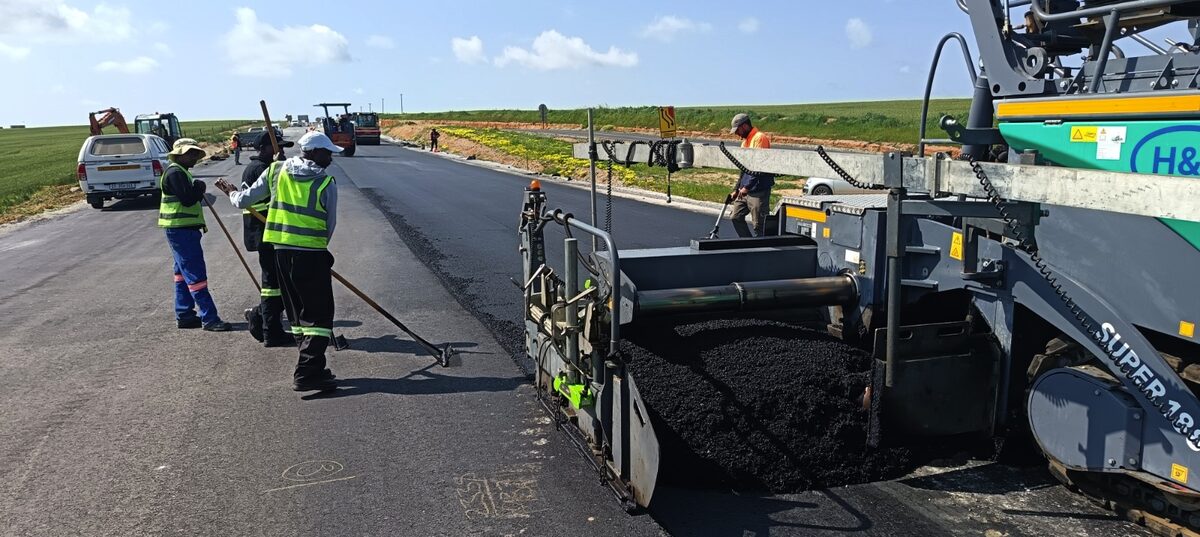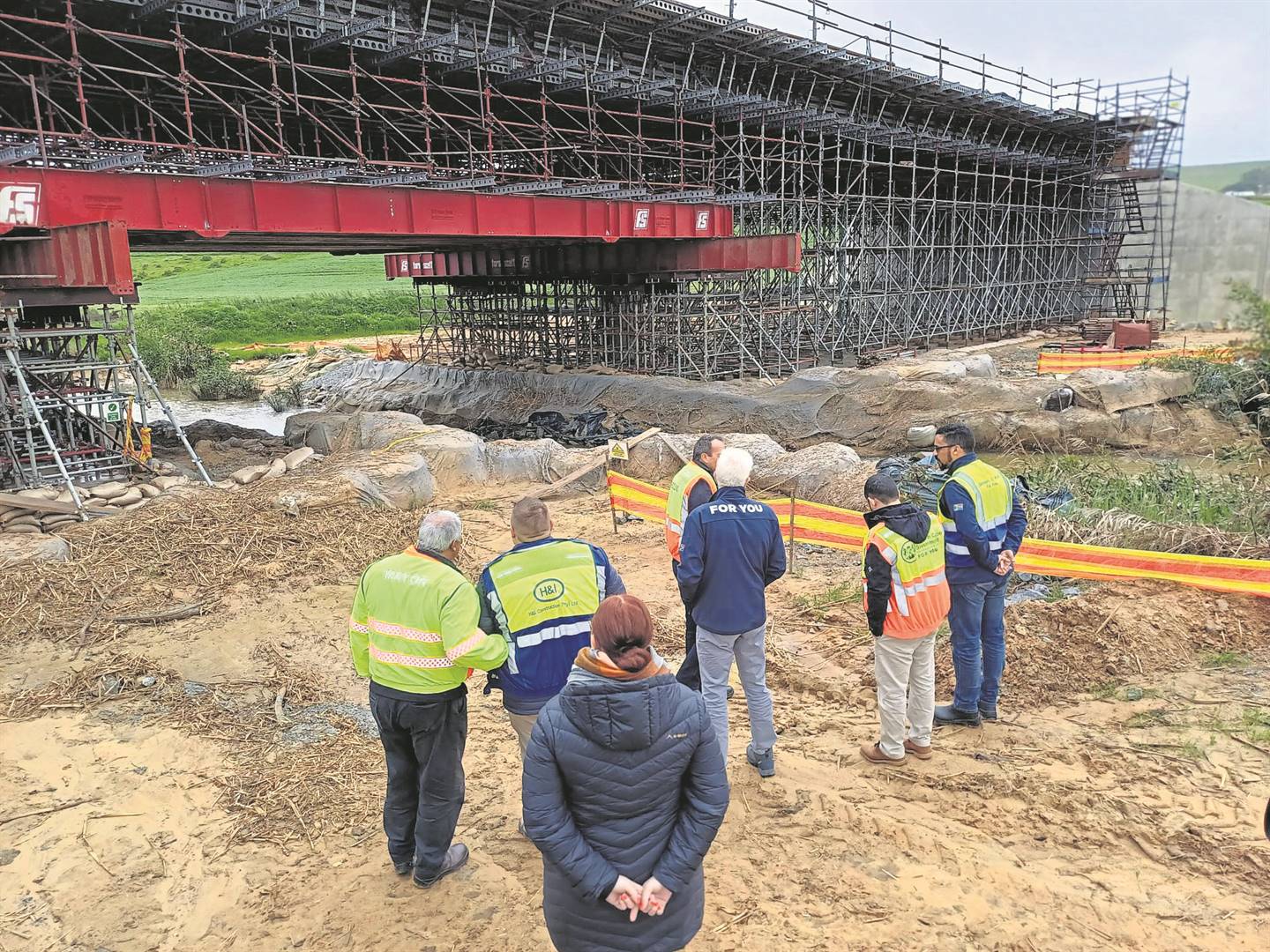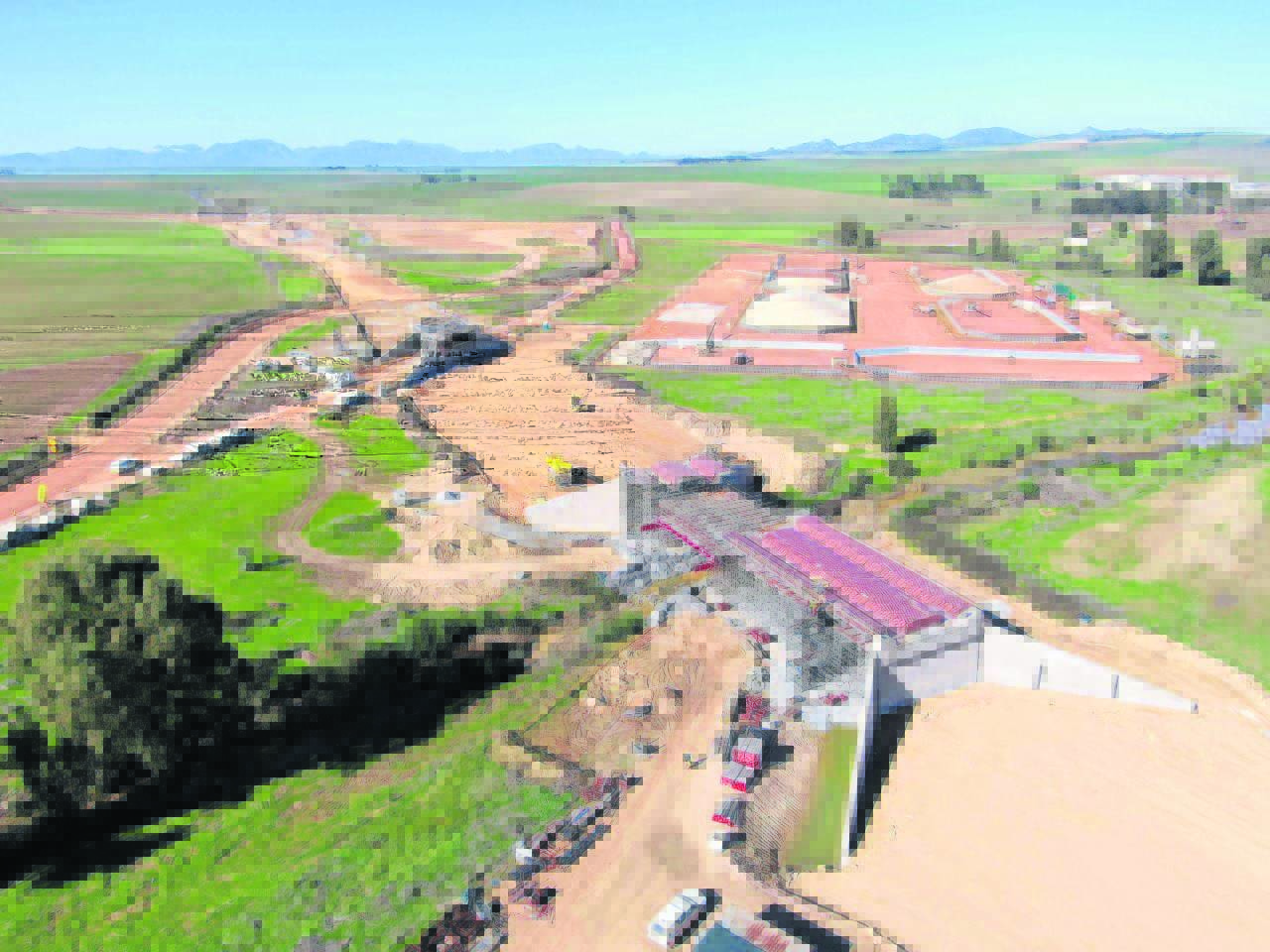
The construction of a new road stretching more than 6,7 km linking the R45 in Wellington with the N7 near Malmesbury is well underway and expected to be completed by November 2025.
The Western Cape Department of Infrastructure (DOI), in a statement, said the project will feature five new bridges and a new grade-separated interchange at the R45/R46 intersection, further enhancing connectivity and safety.
It further said the R640 million project is a crucial part of the Malmesbury Bypass upgrades in the Swartland region.
“These upgrades are significant components of the Strategic Integrated Project 5 under the National Infrastructure Plan 2050.
“Construction commenced in May 2023, and the project is expected to be completed by November 2025,” the statement reads.
Advocate Chantal Smith, Acting Head of the provincial Department of Infrastructure, commented: “The main contractor in large DOI contracts such as this must report against a set of agreed-with contract participation goals (CPGs).
“By the time it is complete, the project is expected to have created 295 work opportunities and will have provided a total of 43 081 person-days of work.
“A proportion of the contract amount will be spent on targeted enterprises and materials from local companies.
“A proportion will also be spent on developing emerging contractors.”
Western Cape MEC of Infrastructure Tertuis Simmers added: “The Malmesbury Bypass link-road project is a testament to our commitment to enhancing infrastructure and stimulating local economies with the aim of creating more jobs in this critical sector.
“This project not only improves transportation and connectivity, but also creates significant job opportunities and supports local businesses. We are dedicated to ensuring this development benefits the community both now and in the future.”
Simmers also recently stressed that the severe weather conditions the province has been experiencing since 2022 have had a significant impact on infrastructure, especially in human settlements and transport sectors.
“Infrastructure is designed and constructed to withstand certain stress levels based on past experiences, data and predictions. However, when severe weather events occur in close succession, it exacerbates vulnerabilities. Saturated areas that do not have sufficient time to dry out are particularly at risk, increasing the likelihood of infrastructure failure.
“In addition to the engagements in building sustainable transport infrastructure, my department is in liaison with the relevant provincial departments and sector partners around the maintenance of catchment and riverbanks, to mitigate the severity of floods. We remain committed to restoring our infrastructure and ensuring the safety and accessibility of our communities.”