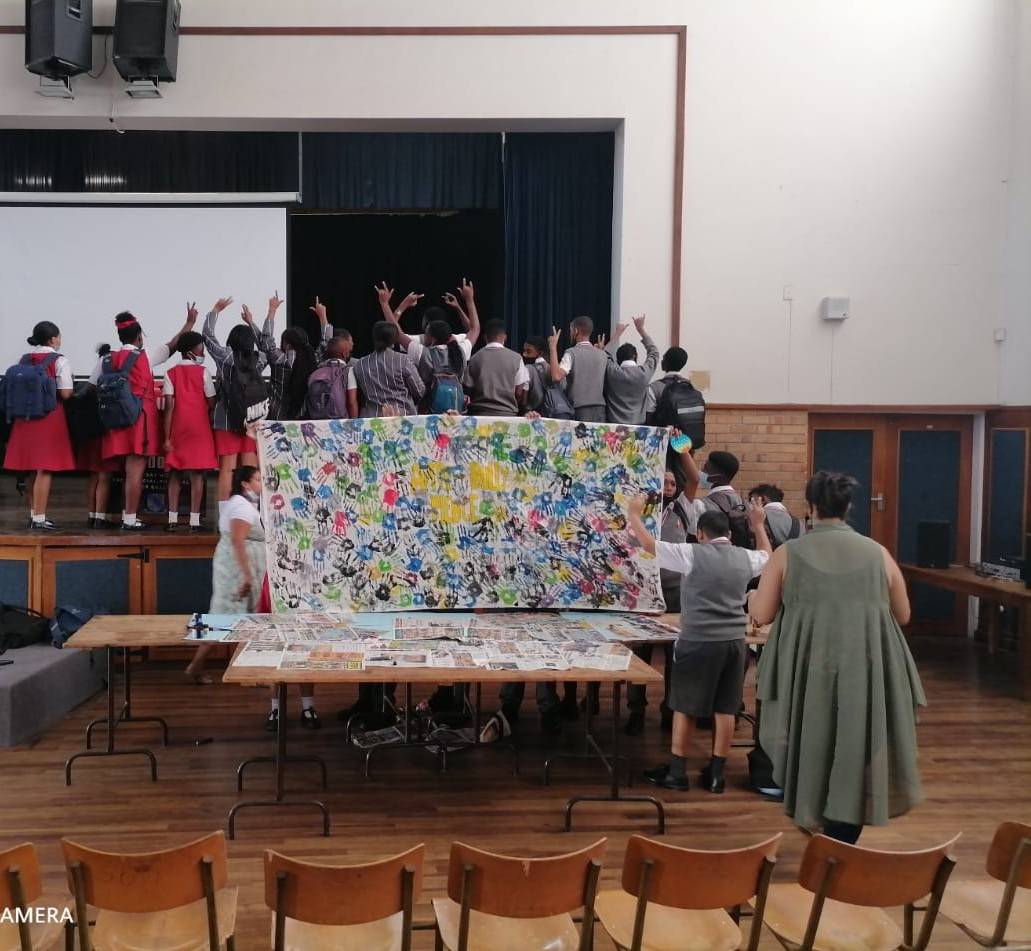
The WCED gives the following safety tips as part of their anti-bully campaign. These tips can help parents understand the problems their children may face when harassed at school.
Some of the warning signs that victims of bullying might show:
. Sudden decreased interest in school (wants to stay at home);
. Sudden loss of interest in favourite school activities;
. Sudden decrease in quality of school work;
. Wants the parent to take her to school instead of riding the bus;
. Seems happy on weekends, but unhappy, preoccupied, or tense on Sundays;
. Suddenly prefers the company of adults;
. Frequent illnesses such as headaches and stomach aches;
. Sleep issues such as nightmares and sleeplessness;
. Comes home with unexplained scratches, bruises, and torn clothing;
. Talks about avoiding certain areas of the school or neighbourhood;
. Suddenly becomes moody, irritable, or angry and starts bullying others (e.g.,
siblings, children in neighbourhood)
. Seeks the wrong friends in the wrong places (e.g., drug users, gangs, etc)
. Talks about being sad, anxious, depressed, or having panic attacks;
. Wants to stay home on weekends;
. Talks about suicide
WCED Strategies to combat bullying.
. Make sure an adult knows what is happening to their children;
. Enforce anti bully laws as part of the Code of Conduct for learners;
. Make it clear that bullying is never acceptable;
. Recognise that bullying can occur at all levels within the school;
. Hold a school conference day or forum devoted to bullying/victim problems;
. Increase adult supervision in the schoolyard, halls and toilets;
. Emphasise caring, respect and safety.
. Emphasise consequences of hurting others;
. Enforce consistent and immediate consequences for aggressive behaviours;
. Improve communication among school administrators, teachers, parents and
learners;
. Have a school problem box where learners can report problems, concerns and
offer suggestions;
. Help bullies with anger control and the development of empathy;
. Encourage positive peer relations;
. Offer a variety of extra-curricular activities which appeal to a range of interests;
. Keep in mind the range of possible causes: e.g., medical, psychological, developmental and family problems.