SunCentral reaches major delivery milestone with initial cluster energised and transmission infrastructure completed
SunCentral energisation and the handover of the Aquila Main Transmission Substation mark the final major milestone before commercial operations begin in the coming weeks.
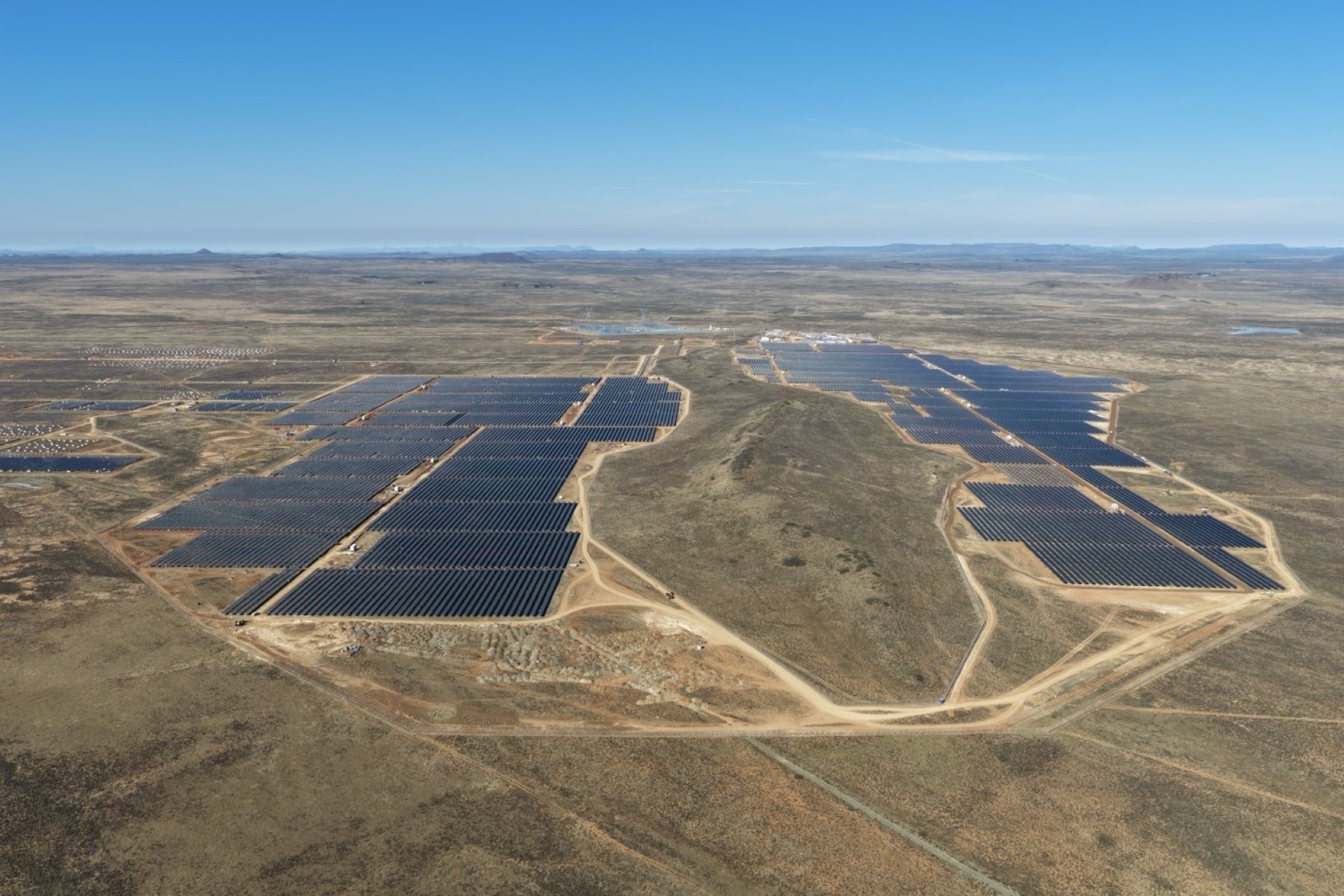
Located between Hanover and De Aar in the Northern Cape, SunCentral is being developed as a utility-scale solar PV plant for multiple off-takers (one-to-many wheeling), unlike other projects built for a single, dedicated large power consumer. SolarAfrica predominantly serves the Commercial and Industrial (C&I) sector, with customers across various industries, including automotive, mining, data centres, manufacturing, retail, and corporate parks.
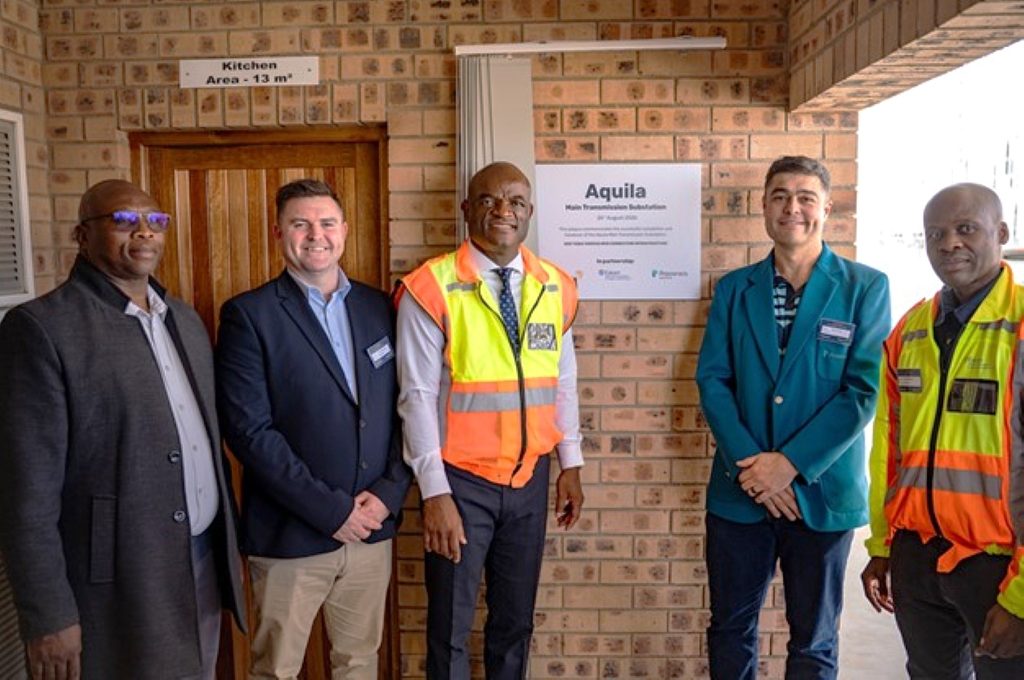
Yesterday, SolarAfrica and Proconics NewFields marked the completion and energisation of SunCentral 1, the first 114 MW facility within the solar farm’s first phase, alongside the official handover of the Aquila Main Transmission Substation (MTS) to Eskom and the National Transmission Company South Africa (NTCSA).
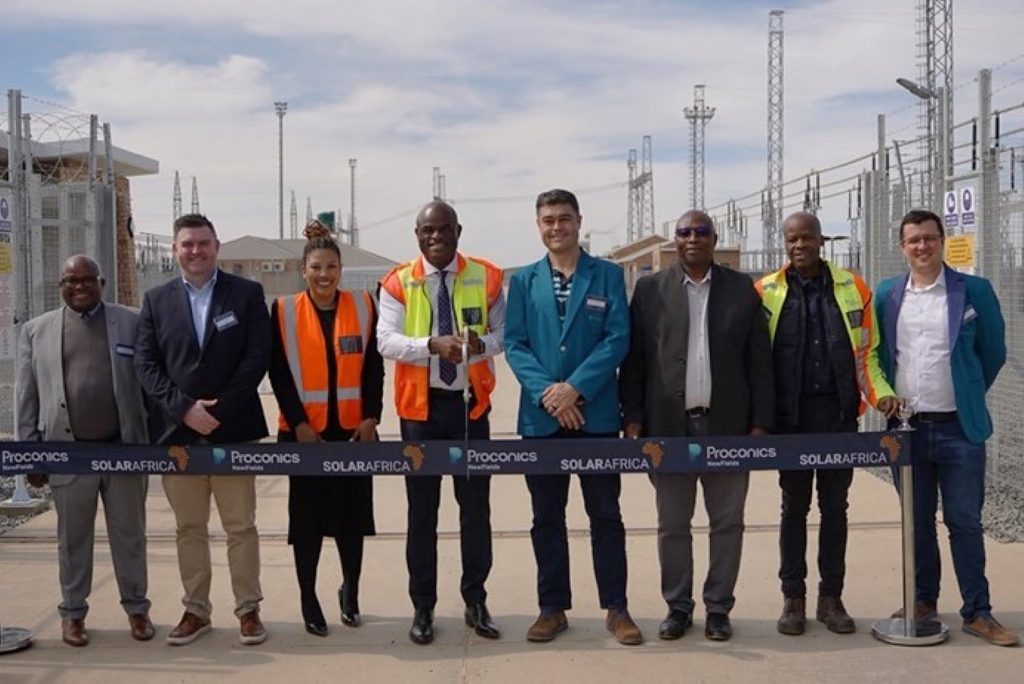
Together, these milestones bring the initial phases of one of South Africa’s largest utility-scale wheeling developments to the threshold of commercial operation.
The occasion was celebrated at the SunCentral solar farm, located between Hanover and De Aar in the Northern Cape, and attended by representatives from SolarAfrica, Proconics, Eskom, NTCSA, local community stakeholders and government representatives.
David McDonald, CEO of SolarAfrica, says: “Completing energisation of the initial cluster of SunCentral Phase 1 demonstrates that large-scale wheeling projects can be delivered successfully in South Africa. It represents years of planning and collaboration between the private sector, Eskom, NTCSA and our project partners.”
McDonald says that as construction and energisation of both the solar facility and its associated transmission infrastructure have now been completed, the initial cluster of SunCentral Phase 1 will officially enter Commercial Operation Date (COD) in the coming weeks, with customer energy supply and billing expected to commence during the fourth quarter of this year.
SunCentral is being developed as a utility-scale solar PV plant supplying multiple commercial and industrial customers through wheeling. Phase 1 comprises three 114 MW solar facilities with a combined generation capacity of 342 MW. Once fully developed, SunCentral is expected to deliver up to 1 GW of renewable energy capacity.
Every component of the facility – from overhead lines, solar fields, and transmission infrastructure – was designed and built from the ground up to maximise power generation in the sun-rich Northern Cape region.
The Aquila MTS is a critical component of the project; it represents SolarAfrica’s R1.35 billion investment and now forms part of South Africa’s transmission network following its handover to NTCSA. Engineered for up to 2 GVA of green power evacuation capacity, the facility houses a 500 MVA transformer and provides the critical connection between SunCentral and the national transmission grid, while supporting regional grid stability.
The MTS will strengthen South Africa’s transmission network while enabling renewable energy to flow where it is needed most.
The substation was engineered and constructed by Proconics NewFields, a South African Engineering Procurement and Construction (EPC) company and principal developer of the transmission infrastructure. Melvin Jones, Group CEO for Proconics Holdings, says that the successful completion and handover of the Aquila MTS represents a significant engineering achievement and demonstrates the capability of South African EPC organisations to deliver complex grid infrastructure at scale.
“This project provides the critical transmission infrastructure required to unlock future renewable generation and strengthen South Africa’s energy security,” said Jones.
With the first cluster nearing commercial operation, development of the broader SunCentral programme is already progressing, with the remaining Phase 1 clusters set to be complete in the coming months. Future phases are expected to increasingly combine utility-scale solar generation with battery energy storage systems (BESS), allowing renewable energy to be supplied beyond daylight hours and increasing the proportion of clean energy available to customers while supporting a more resilient electricity grid.
“SunCentral has shown what can be achieved when industry, government and project partners pull in the same direction. It’s bringing more renewable energy into the market, giving businesses greater choice and affordability in how they procure electricity, while developing the infrastructure that will support South Africa’s energy future,” concludes McDonald.
SolarAfrica has reached financial close on SunCentral 3, the third and final 114 MW facility comprising Phase 1 of its flagship utility-scale solar development, SunCentral.
The new funding, provided by RMB and Investec Bank Limited, completes the financial and development pathway for the first phase of the project, comprising 342 MW of new renewable energy generation capacity that will be wheeled through South Africa’s national grid.
The first 114 MW is expected to come online during the second half of 2026, and once completed, SunCentral will deliver up to 1 GW of renewable energy capacity.
David McDonald, CEO of SolarAfrica, says reaching financial close on the SunCentral 3 cluster represents another important step in turning the company’s vision for utility-scale wheeling into reality. “With financial close now achieved across the final part of Phase 1, our focus is fixed firmly on delivery. We are now significantly closer to supplying businesses with affordable, clean energy at scale.”
McDonald says the achievement also demonstrates continued confidence in both the project and the growing role wheeling will play in South Africa’s energy future. “South African businesses are increasingly looking for long-term energy certainty – both in security of supply and cost savings. Projects such as SunCentral enable companies to access green power while managing rising electricity costs and reducing their carbon footprint. The market demand is definitely there, and we are continuing to build the infrastructure needed to meet it.”
The project is rapidly gaining momentum, with financial close on SunCentral 1 – 3, which make up the full Phase 1, achieved over a period of 18 months. McDonald says that SolarAfrica has already begun advancing Phase 2 of the development, with processes and activities already underway for SunCentral 4.
Looking ahead, McDonald says future phases of SunCentral are expected to increasingly combine utility-scale solar generation with battery energy storage systems (BESS), enabling renewable energy to be supplied beyond daylight hours.
“Hybrid projects represent the next evolution of utility-scale wheeling. By pairing solar with battery storage, we can offer our customers a greater share of renewable energy within their overall electricity mix, while moving clean energy to periods when demand (and electricity costs) are typically higher. It also helps create a more balanced grid by reducing the concentration of solar generation during the middle of the day.”
SolarAfrica has also completed the project’s Main Transmission Substation (MTS), a R1,35 billion investment that will connect SunCentral’s renewable energy output to the national grid. The substation will be handed over to the National Transmission Company South Africa (NTCSA) and will form part of the transmission infrastructure required to connect new renewable energy generation to the national grid.