

Every housing development built on fertile soil, every infrastructure project cutting through irrigated farmland, chips away at South Africa’s capacity to feed itself. As productive agricultural land disappears beneath concrete and asphalt, a fundamental question emerges: what happens when a nation runs out of ground to grow food?
This challenge sat at the heart of deliberations when the Portfolio Committee on Agriculture convened virtually with the Department of Agriculture on 13 October. The session examined progress on regulations for the Preservation and Development of Agricultural Land Act (PDALA) and the Plant Health Act, alongside the Department’s broader legislative agenda.
Closing the gaps in land protection
PDALA was designed to replace shortcomings in the outdated Subdivision of Agricultural Land Act of 1970. The older legislation left critical gaps regarding government-owned land and the division of responsibilities between provincial and local authorities. The new framework establishes a coordinated approach to land-use decisions that applies regardless of ownership.
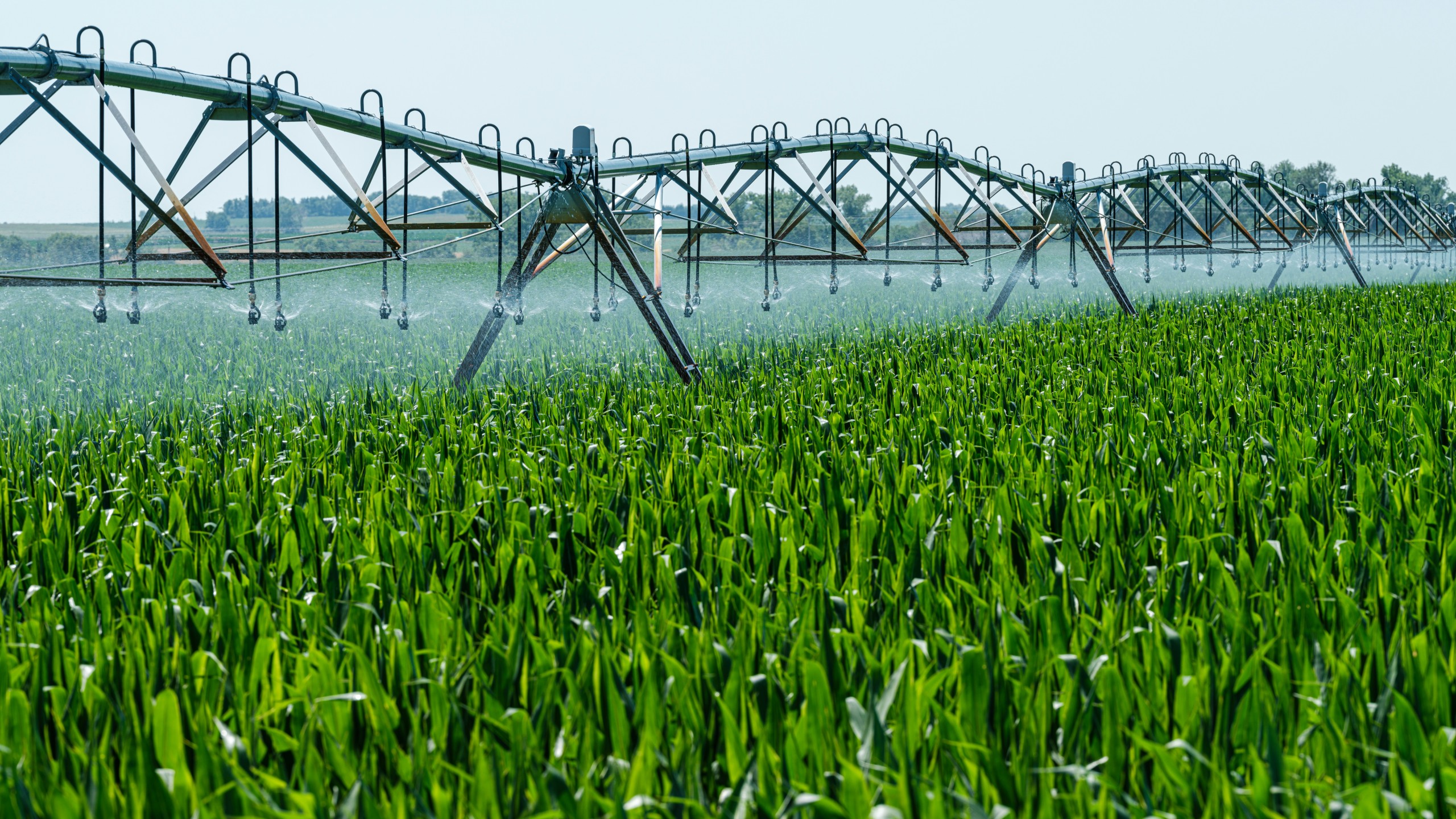
A key objective is to protect high-value agricultural land from being converted to incompatible uses. South Africa cultivates approximately 21 million hectares, including 1.5 million hectares under irrigation. Yet this productive land faces relentless pressure from housing, infrastructure and competing development demands. PDALA proposes structured processes involving all government spheres, provincial assessment structures, alignment with municipal planning, and evaluation of land-use changes against agricultural potential and agro-ecosystem principles.
Public consultation on draft regulations published in March this year has concluded, with stakeholder submissions currently being consolidated. The Department confirmed it remains on track to finalise regulations and accompanying guidelines by March 2027.
ALSO READ: Food security deteriorates as hunger climbs, despite easing food prices
Implementation challenge
Legislation means little without effective implementation. Committee members questioned whether provincial departments and municipalities possess the expertise and resources to operate the framework successfully. Concerns emerged about coordination across spatial planning, environmental legislation, mining regulation and other systems influencing land-use decisions.
The Department acknowledged potential capacity constraints in some provinces but outlined training initiatives and developing mechanisms for application assessment and decision-making coordination. A proposed National Agro-Eco Information System would provide agricultural potential data and land classification to identify suitable uses and protected areas. However, procurement has not commenced. The estimated R5 million cost awaits funding approval. Without adequate resources, technical skills and reliable data, implementation risks becoming fragmented.
Members emphasised the necessity of involving traditional leaders and rural communities in land-use decisions, highlighting historical inequalities and communities whose livelihoods connect deeply to the land. The Department confirmed traditional leadership structures participated in earlier consultations and would continue engagement through future sector planning.
Protecting plants, securing Trade
The committee also reviewed regulations for the Plant Health Act, enacted in 2024 to replace the Agricultural Pests Act of 1983. This legislation addresses pests and diseases entering through trade or spreading between agricultural areas while strengthening prevention, detection and containment measures.
Plant health directly impacts both domestic production and export markets. Invasive pests without natural controls can devastate crops, while weak phytosanitary measures jeopardise market access. The Department reported that draft regulations were submitted to the Minister in September this year, outlining ongoing training and surveillance activities.
ALSO READ: Namibiese bek-en-klouseer-uitbreking kan Suid-Afrikaanse vleismark raak
The road ahead
The Department’s legislative programme includes the Perishable Products Export Control Amendment Bill anticipated in 2026. Proposed legislation addressing animal welfare, veterinary professions, animal feeds, stock remedies, agricultural marketing, fertilisers and pesticides is planned for 2027, with further amendments concerning agricultural produce agents and agricultural research envisaged for 2028.
Members questioned the legislative development pace and sought clarity on the Animal Diseases Act of 1984, the Animal Health Act of 2002, and regulatory controls governing fertilizers, farm feeds and agricultural remedies. The Department indicated further policy decisions are required, though a working draft of the Animal Welfare Bill has been prepared.
Success will be measured not by regulations finalised or Bills introduced, but by how effectively these measures protect agricultural resources and support sustainable food production. Safeguarding the land beneath South Africa’s food system represents more than regulatory responsibility – it is an investment in food security, economic resilience and the wellbeing of generations to come.


