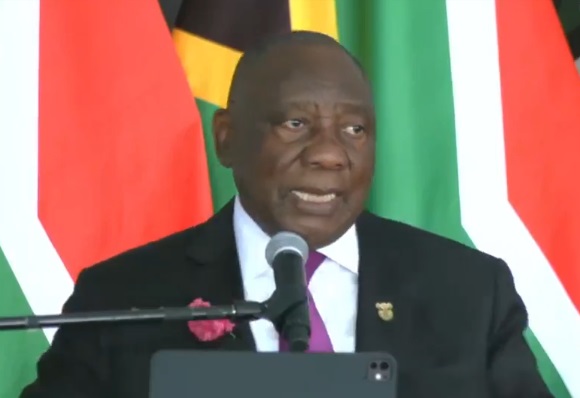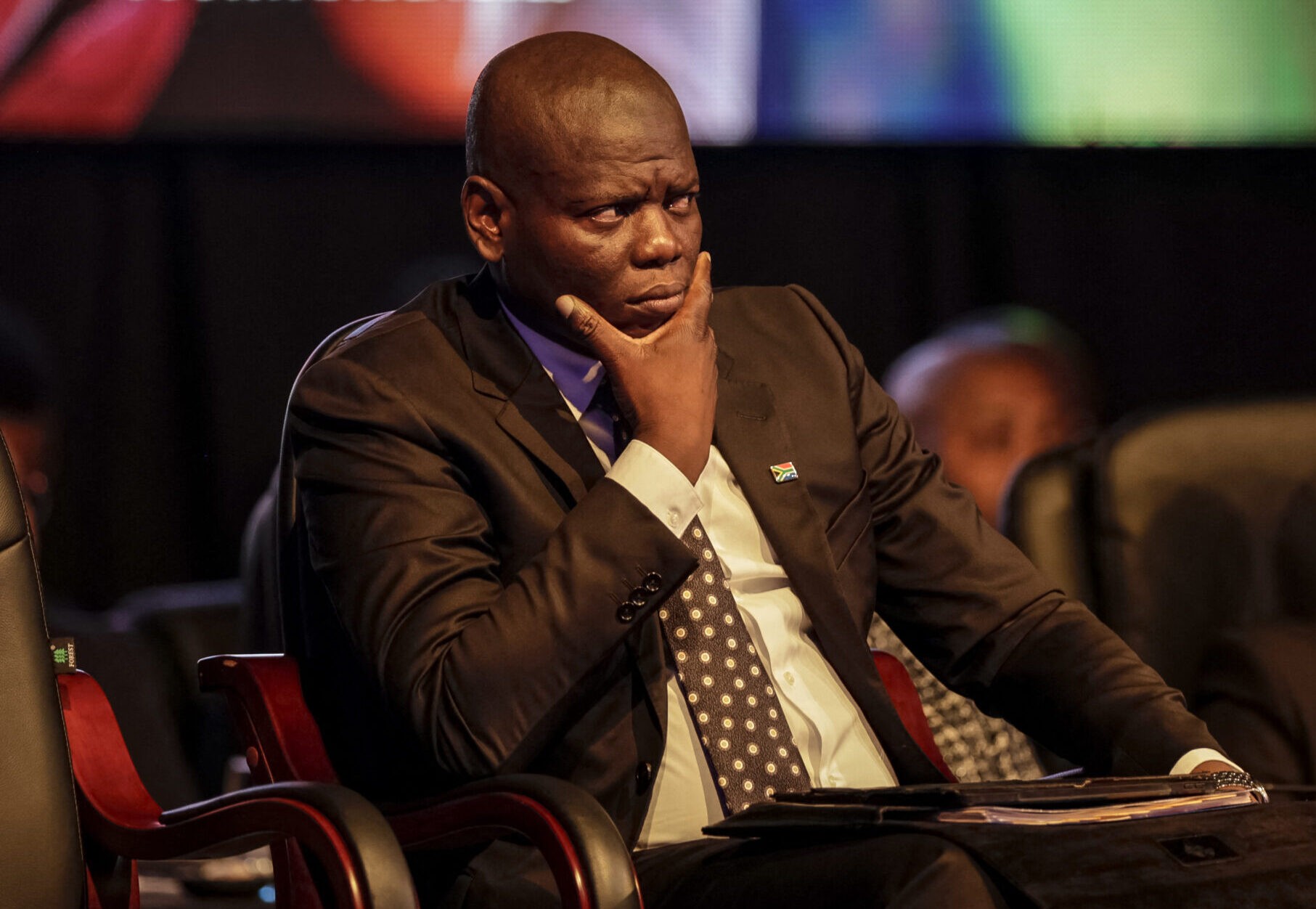
South Africa has assumed leadership of the Southern African Development Community with ambitious plans to transform the region’s economy through industrialisation, infrastructure development and increased trade among member states.
International Relations and Cooperation Minister Ronald Lamola formally accepted the chairpersonship of the SADC Council of Ministers during a meeting in Durban on Wednesday, outlining a vision for the 2026-2027 term under President Cyril Ramaphosa’s leadership.
The Southern African Development Community is a regional economic bloc comprising 16 member states working towards economic integration and development. Established in 1980, SADC aims to promote sustainable economic growth, alleviate poverty and enhance the quality of life for the people of Southern Africa.
“It is with great humility and a profound sense of responsibility that, on behalf of the Republic of South Africa, I accept the SADC Chairpersonship for 2026-2027,” Lamola said, emphasising that the role was a collective mandate exercised in the interests of the entire community.
Four strategic priorities
Lamola outlined four key priorities that will guide South Africa’s tenure: promoting peace, security and stability; accelerating industrialisation through agricultural transformation and critical minerals beneficiation; expanding and modernising infrastructure; and strengthening social and human capital development.
The minister placed particular emphasis on ensuring the region derives greater economic value from its abundant critical mineral resources. Nearly 30% of the world’s proven critical mineral reserves are found in the SADC region, including approximately 50% of global cobalt reserves and 20% of graphite reserves.
However, Lamola cautioned that mineral wealth alone would not guarantee development unless countries moved towards beneficiation, regional value chains and increased intra-regional trade.
“We know from earlier chapters in our unfolding story that our region’s wealth has nourished economies far and wide, while our own economies have remained trapped in old patterns of extractive accumulation,” he said.
Targeting 50% intra-regional trade
South Africa will seek to advance objectives agreed at the Skukuza retreat, including a target of 50% intra-SADC trade and the beneficiation of critical minerals at source. Currently, trade between countries in the bloc stands at about 20%, highlighting significant scope for expanding regional markets and economic cooperation.
Lamola identified reliable energy, efficient transport corridors, modern ports, integrated digital networks and dependable water systems as essential foundations for regional connectivity and industrial development.
“Without these foundations, regional manufacturing cannot expand. At only 10% of GDP, it cannot generate employment on the scale our region requires,” he said.
Free movement of people
The minister also addressed migration and human mobility, acknowledging growing public debate in South Africa around irregular migration, border integrity and pressure on public institutions.
However, he stressed that responses must remain lawful and protect human rights, whilst rejecting all forms of vigilantism and human rights violations.
Lamola said migration should not be viewed solely through a security lens, arguing that the movement of people across the region is often linked to economic opportunity and employment.
“Indeed, as Durban’s story shows, our country’s industrial development immensely benefited from the large labour pools from our region and beyond,” he said.
South Africa will encourage SADC member states to sign the protocol on the free movement of people to support regular and orderly migration.
Youth employment imperative
The focus on industrialisation and infrastructure is closely linked to the region’s need to create employment opportunities, particularly for its growing young population. Africa has the youngest population in the world, with a median age of 19 years and nearly 60% of the population under the age of 25.
By 2030, one in four young people globally will be African, Lamola noted.
“This means our economies and level of job creation must be on par with population growth,” he said.
South Africa’s assumption of the SADC chairpersonship follows Zimbabwe’s tenure and will run until 2027.