South Africa has rejected new US visa restrictions targeting its racial equity policies, accusing the Trump administration of misrepresenting its laws and damaging relations between Washington and one of Africa’s most influential nations.
The dispute marks the latest clash over race, trade and diplomacy. Washington has already cut aid, imposed tariffs, expelled South Africa’s ambassador and boycotted a G20 summit in Johannesburg amid ongoing tensions over the legacy of apartheid.
US Secretary of State Marco Rubio announced the visa restrictions would target people who promote “race-based discrimination, incite violence, or enable land confiscation without compensation in South Africa”.
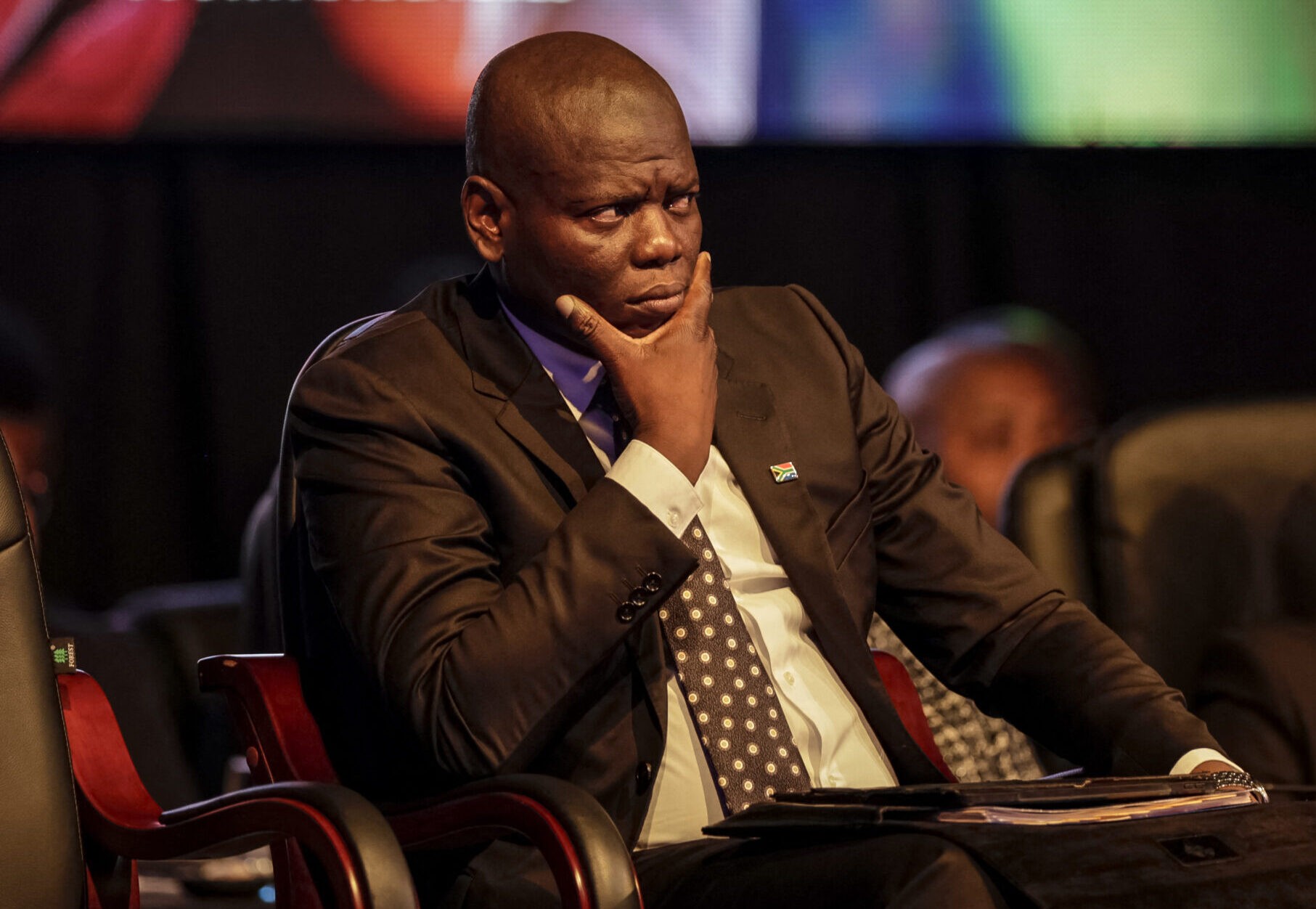
Foreign Minister Ronald Lamola said Pretoria views the move “with concern” and accused Washington of repeating narratives from fringe groups opposed to South Africa’s post-apartheid reforms.
“We reiterate that healing the divisions of the past and establishing a society based on democratic values, social justice and fundamental human rights is a constitutional imperative,” Lamola said in a statement.
US warns of further action
The United States did not name any individuals targeted by the restrictions but warned of more “severe” action to come.
“This visa restriction policy is only the first step in a series of escalatory measures that will show America’s firm resolve in this matter,” US ambassador to South Africa, Brent Bozell, said.
President Donald Trump has criticised South Africa’s land reform and employment equity laws, which the government introduced after apartheid ended to address racial disparities that remain among the world’s widest.
Trump has portrayed the measures as discriminatory against Afrikaners, the white minority descended largely from Dutch settlers. Pretoria rejects this claim.
In 2025, Trump confronted President Cyril Ramaphosa in the Oval Office over discredited claims of a “white genocide” in South Africa.
ALSO READ: US announces visa restrictions over South Africa’s race policies
Refugee status for white South Africans
While the US president has broadly cracked down on immigration, his administration has offered refugee status to thousands of white South Africans who the government says face persecution.
Lamola rejected suggestions that the government targets any racial group, saying crime remains a national challenge affecting all South Africans.
The opposition uMkhonto we Sizwe (MK) party, led by former president Jacob Zuma, also condemned the visa restrictions, calling them an attack on South Africa’s sovereignty.
“The hypocrisy of Washington’s position is breathtaking. It lectures South Africa, while arming Israel amid the reported killing of more than 73,000 Palestinians in Gaza,” the party said in a statement.
Trade ties remain strong
Despite the tensions, Pretoria and Washington continue diplomatic efforts to improve relations.
“The discussions have highlighted the need for any resolution to consider South Africa’s unique circumstances and to respect its democracy, constitution, sovereignty, and the will of its people,” Lamola said.
South Africa is the United States’ largest trading partner on the African continent with more than 500 US businesses and 30,000 US citizens based in the country.
South Africa said last month it would offer a “generous” new trade deal to the United States to avoid heavy tariffs that threaten job losses on top of a severe unemployment crisis.