

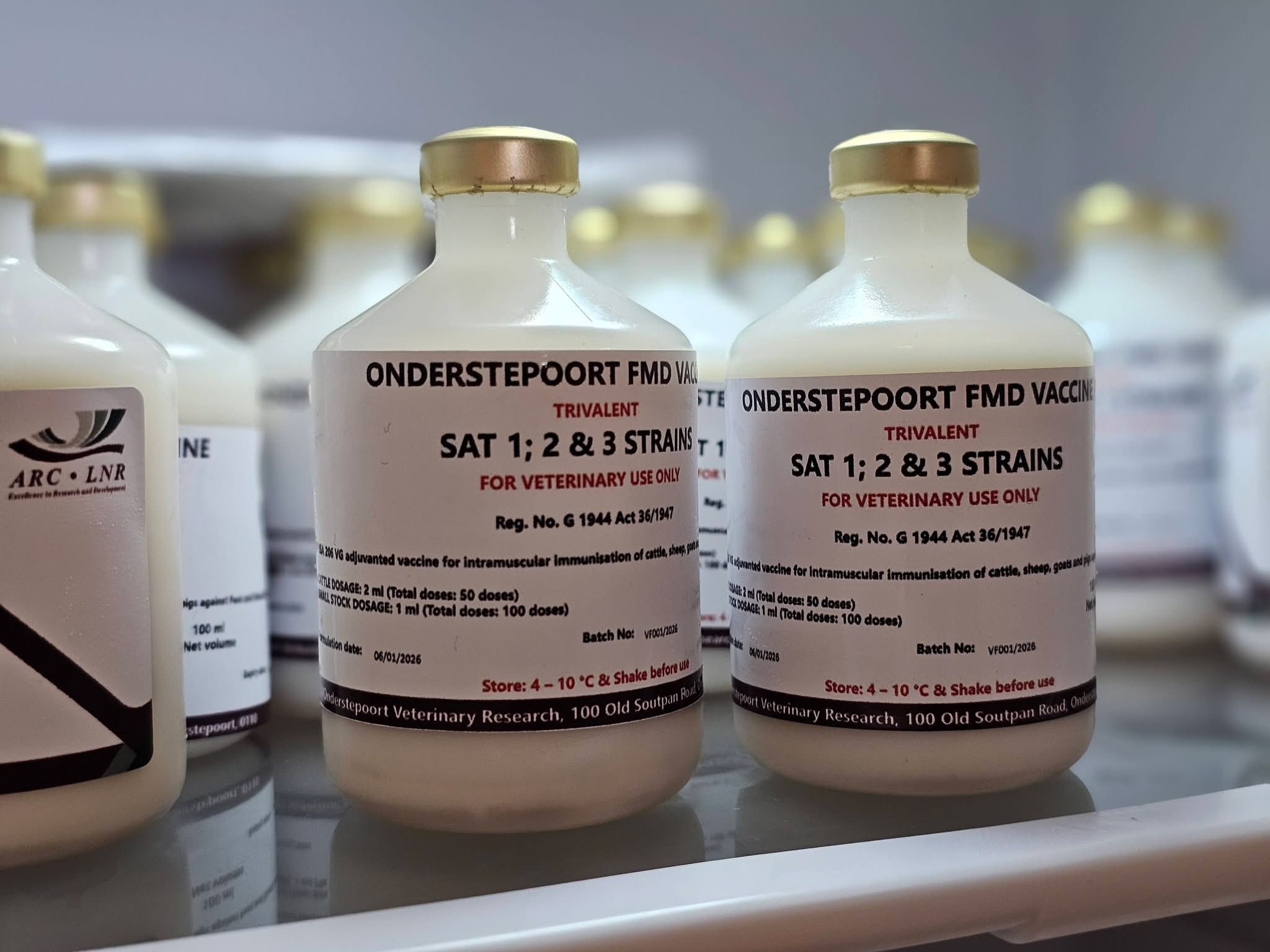
Government has intensified efforts to contain the spread of foot and mouth disease through a nationwide vaccination campaign aimed at protecting livestock and supporting the country’s agricultural sector.
The Department of Agriculture has begun rolling out vaccines in affected and high-risk areas as part of a coordinated response to limit the spread of the highly contagious animal disease, which has been declared a national state of disaster.
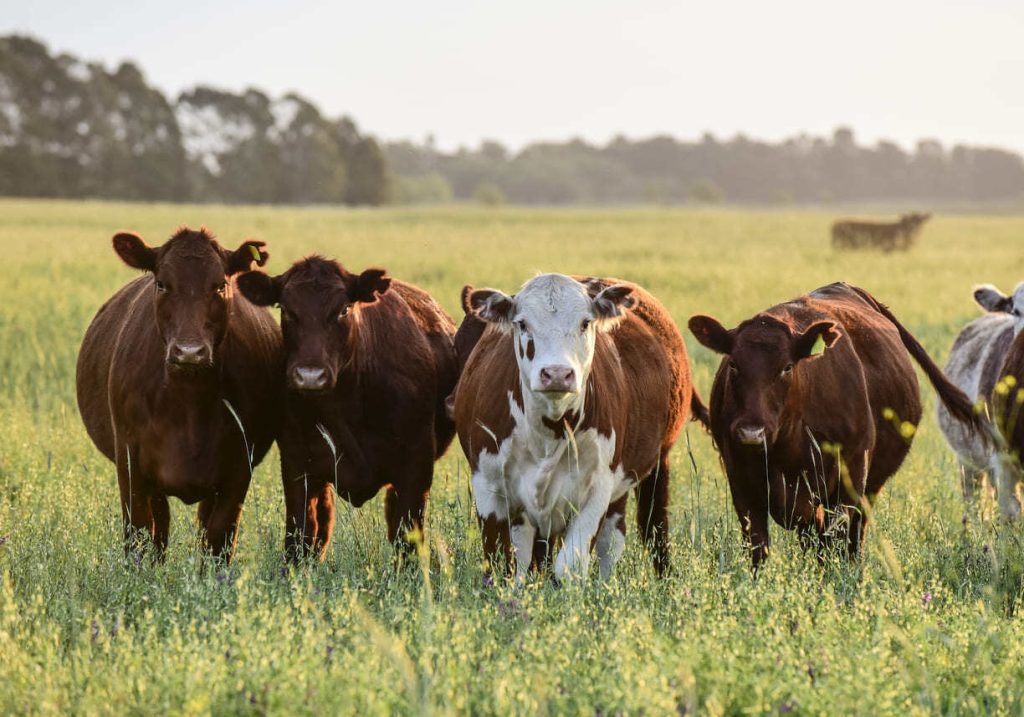
Foot and mouth disease affects cloven-hoofed animals such as cattle, sheep, goats and pigs. While the disease does not pose a direct threat to human health, outbreaks can have serious consequences for farmers, food security and trade in livestock and animal products.
Through the vaccination campaign, veterinary teams are working closely with farmers, provincial authorities and industry stakeholders to ensure that susceptible livestock are protected and that outbreaks are brought under control. The drive forms part of broader measures that include surveillance, movement control of animals and strengthened biosecurity practices on farms.
Agriculture Minister John Steenhuisen and Gauteng MEC for Agriculture and Rural Development Vuyiswa Ramokgopa recently spearheaded efforts to roll out the vaccine campaign at Magagula Heights in the East Rand, the location of the first FMD outbreak in Gauteng in April 2025.
Local vaccine production resumes
South Africa is advancing efforts to strengthen local vaccine development and production capacity, producing its first batch of foot and mouth disease vaccine in over two decades. The country ceased production in 2005 due to ageing technology and infrastructure that did not comply with international Good Manufacturing Practice standards.
In February 2026, Minister Steenhuisen visited the Agricultural Research Council’s Onderstepoort Veterinary Research facility to witness the finalisation of the first batch of 12 900 locally produced vaccines.
The production could not have come at a more opportune time. President Cyril Ramaphosa announced in the State of the Nation Address that 14 million cattle need to be inoculated across the country, requiring 28 million vaccines over the next 12 months.
Dr Faith Peta, the ARC-OVR chief research technician in the Vaccine Production Programme, explained that vaccine development is a lengthy process. “Usually product development up until it goes to the market takes anything from ten, 20, some even to 30 years and there are also those that never make it to the market because they are not shown to be safe enough to be injected into animals,” she said.
Five-year development process
The vaccine development process begins with collecting tissue samples from the field to isolate the viruses that cause the disease in South Africa. The virus is then grown in cells, studied for its genetic makeup, and tested extensively.
“From the moment that we got the virus up to when we can grow it in cells in high volumes, it took us about five years or so,” Dr Peta said. “Then we needed to learn how to inactivate the virus. By inactivation, we mean killing the genetic material that makes it infectious.”
The virus is then purified and becomes a vaccine strain that is tested first in small animals, then large animals, and finally in field conditions away from the controlled parameters of the laboratory.
“Currently we are testing its safety in pregnant animals,” Dr Peta said in an interview at the ARC campus in Onderstepoort, Pretoria.
The locally produced vaccine can last up to 12 months in cattle, compared to other vaccines whose immunity lasts four to six months.
Scaling up production
South Africa aims to currently produce 20 000 doses per week, scaling up to 200 000 doses per week next year. The research council is purchasing larger equipment to increase production capacity.
Recently, the Eastern Cape, which has an estimated cattle herd of 3,5 million, received 2 600 vaccine doses from the ARC in mid-February, whilst the Free State received 2 300 doses and Gauteng received 2 000 doses.
“The vaccine is out there and being used. The preliminary report from the field are quite encouraging,” Dr Peta said.
The ARC envisions building a custom facility costing R1,6 billion to help fight diseases like foot and mouth. In 2015, the research council received approximately R500 million to construct the facility, but faced a budget shortfall. Once construction begins, the facility will take 36 months to build and an additional 12 months to validate.
ALSO READ: Foot-and-Mouth-Disease rages on while Saai and Steenhuisen embroiled in legal battles
Economic impact
The highly contagious disease has significant economic implications. In early February, the Western Cape recorded its first-ever case in a dairy herd.
“The thing about FMD is it’s of economic impact, especially to people who export because once you have an FMD outbreak as a country, people, other countries stop importing animal products from you. In that regard, you lose market share,” Dr Peta said.
However, she added that local slaughtering would remain sufficient as animals recover and enter the food chain.
ALSO READ: Court backs government’s authority on foot-and-mouth disease strategy
What farmers should do
Dr Peta reminded the public that foot and mouth disease does not affect humans, but people can carry the virus on their clothes. Farmers who suspect their cattle are infected should contact their local veterinary services at district or municipality offices.
Veterinary services will evaluate the farm and, upon confirmation of infection, arrange for vaccines. The government heavily subsidises the vaccine, meaning farmers are not charged.
“Let us familiarise ourselves with animal health matters and be aware that by just moving animals randomly even if you have a celebration, always be very careful of the health of animals you bring into your yard,” Dr Peta cautioned.
ALSO READ: Foot-and-mouth outbreak widens as vaccine supplies dwindle



You must be logged in to post a comment.